
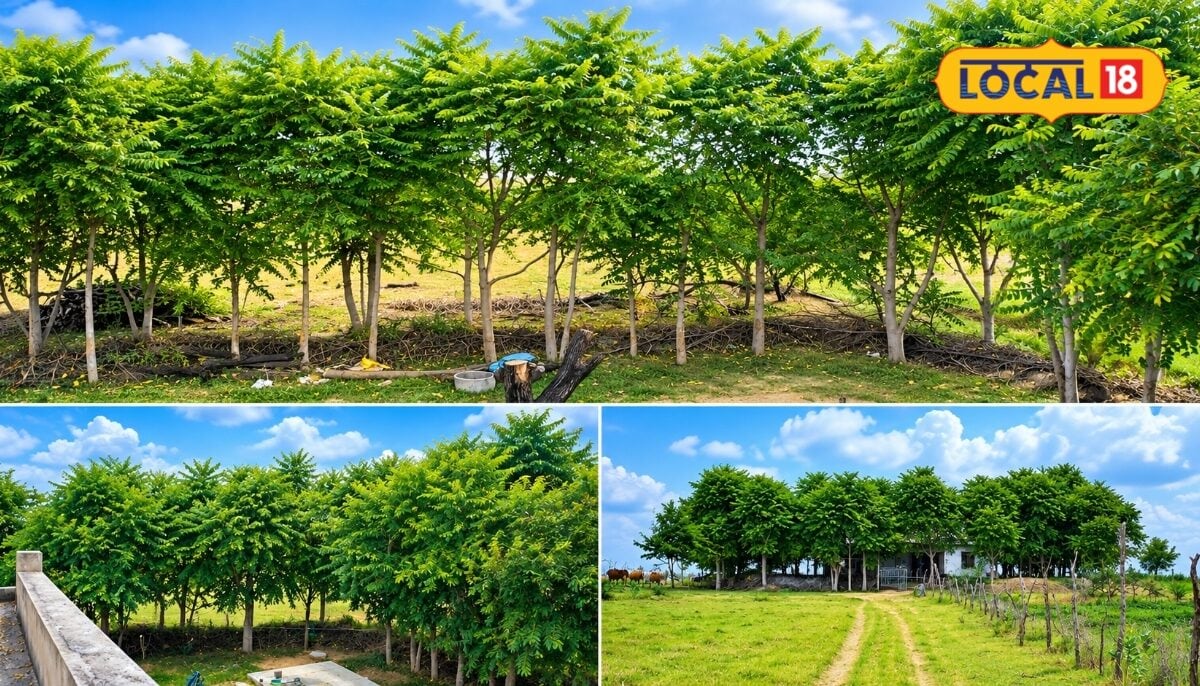
In an era where agricultural communities continuously seek diversification to safeguard against unpredictable market trends, a transformative farming model centered around Ardu tree cultivation has captured the attention of rural investors. Designed to maximize resource utilization, this specialized arboriculture initiative provides an ingenious pathway for cultivators looking to supplement their primary agrarian incomes without disrupting existing crop cycles. By leveraging underutilized spaces such as farm boundaries and peripheral wastelands, agricultural stakeholders are discovering a lucrative avenue for long-term financial security.
The foundational framework of this forestry venture is deeply rooted in traditional land-use management, where farmers traditionally planted diverse indigenous flora to meet domestic timber and ecological needs. Over the years, as industrial demand for durable timber products steadily escalated, the economic valuation of specific regional trees underwent a notable metamorphosis. Progressive agriculturists recognized that integrating specialized trees like Ardu into their routine land management practices could bridge the gap between ecological preservation and profitable commercial harvesting, establishing a resilient rural economy.
Delving into the financial mechanics of this cultivation practice reveals highly encouraging economic indicators for rural households. According to detailed estimations shared by progressive farmer Jai Prakash Guraj, maintaining these trees requires disciplined initial care and consistent irrigation during their formative years, which ultimately pays rich dividends upon maturity. The commercial viability of the venture is underscored by concrete statistics, indicating that a single well-nurtured, fully grown Ardu tree can comfortably generate an impressive monetary return ranging between 10 to 15 thousand rupees in the market.
The integration of arboriculture with mainstream agricultural operations fosters a collaborative dialogue among local farming cooperatives, agronomists, and rural traders. Stakeholders frequently discuss optimal planting densities, water conservation methodologies, and pest management protocols to ensure maximum yield per tree. Farming community members emphasize that unlike seasonal crops vulnerable to sudden weather anomalies, timber cultivation functions as a biological savings account, granting families financial flexibility during critical life events and transitional market phases.
At the regional level, the widespread adoption of Ardu tree farming generates significant positive ripple effects across local rural markets and supply chains. By establishing a decentralized network of timber producers, the region strengthens its commercial footprint, attracting secondary processing units and wood-based enterprises. This localized economic stimulation translates into better employment prospects, enhanced land value, and a more diversified rural economy that is inherently less susceptible to monoculture vulnerabilities and seasonal market collapses.
Recognizing the immense potential of sustainable agroforestry, regional developmental bodies and agricultural extension agencies are steadily stepping up efforts to provide technical advisory support. Administrative measures often include organizing educational workshops, distributing high-quality saplings, and disseminating scientifically validated guidelines regarding optimal soil composition and irrigation schedules. Such institutional backing ensures that cultivators can navigate potential agronomic challenges with confidence, thereby standardizing high yields across participating farming households.
Looking toward the future, the strategic outlook for Ardu tree cultivation remains exceedingly positive, with expectations of broader integration across varied topographical zones. As more cultivators embrace the philosophy of treating perennial trees as dependable fixed deposits, rural communities are poised to achieve greater financial autonomy and ecological resilience. Continued collaboration between farmers, agricultural scientists, and local administrations will undoubtedly cement this agroforestry practice as a cornerstone of modern, sustainable rural development.