
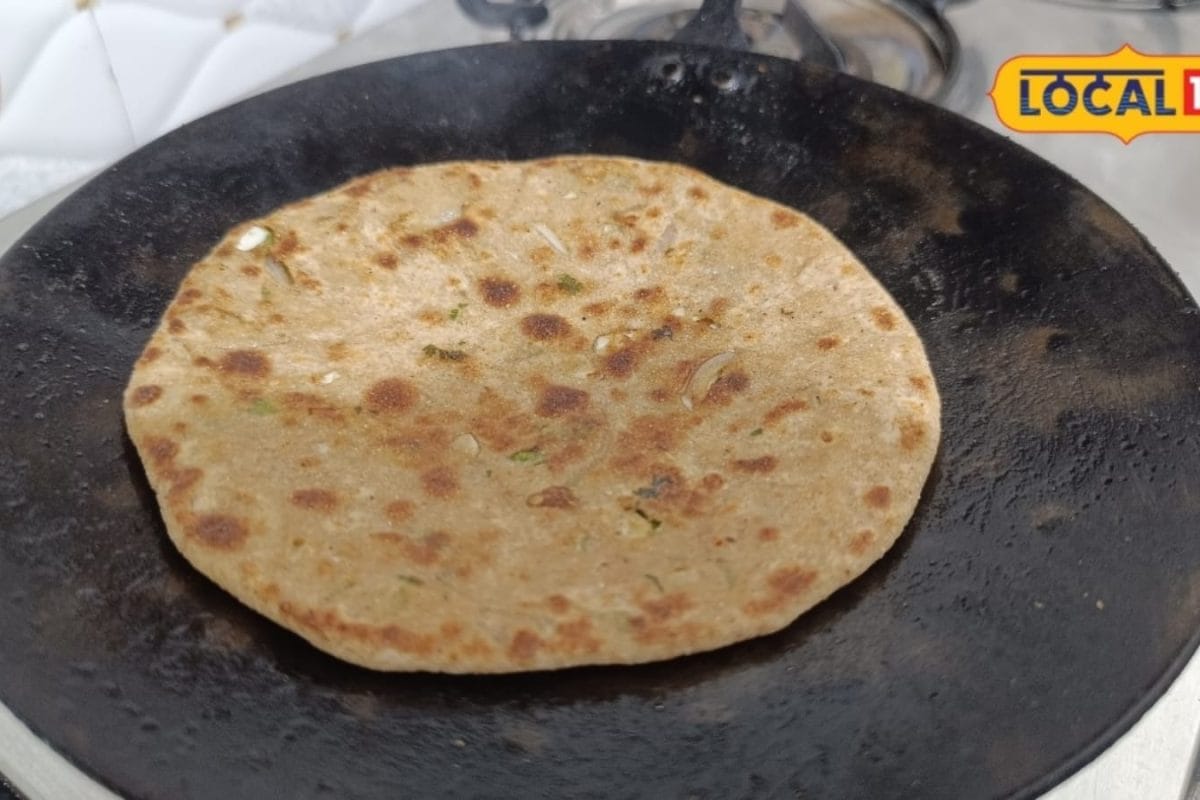
With the arrival of the winter season, household culinary routines across the region traditionally gravitate toward standard breakfast items such as potato, bathua, and spinach parathas. Seeking a departure from these routine preparations, homemaker Prabha Sharma from the district of Dholpur has shared an innovative and delicious alternative recipe centered around cabbage. This culinary development offers households a refreshing change for their morning breakfast tables without demanding excessive preparation time or specialized ingredients.
The culinary background of stuffed parathas in North Indian households is deeply rooted in utilizing seasonal winter vegetables to provide warmth, nutrition, and comforting flavors. While potatoes and leafy greens have historically dominated the breakfast landscape, modern kitchens increasingly demand versatile, quick-to-make alternatives that cater to both health and taste preferences. Cabbage emerges as an ideal winter vegetable for stuffing, providing a unique texture and subtle sweetness when cooked properly inside a wheat flour casing.
Examining the practical aspects of this recipe, the preparation requires no potatoes and minimal physical exertion, making it highly efficient for busy morning schedules. The core of the dish relies on fresh, finely chopped cabbage combined meticulously with diced onions, green chilies, fresh coriander leaves, and a balanced blend of traditional Indian spices to form a robust stuffing. This vegetable mixture is securely encased within balls of kneaded wheat flour and rolled out before being roasted on a hot griddle with pure ghee until it achieves an appetizing golden-brown and crispy exterior.
Culinary enthusiasts and homemakers navigating morning meal preparations have expressed appreciation for recipes that streamline cooking while maintaining high standards of taste and nutrition. Although commercial food establishments and local eateries frequently experiment with paratha varieties, home-cooked versions by individuals like Prabha Sharma highlight the enduring appeal of traditional domestic kitchen wisdom. The emphasis remains on utilizing easily accessible local produce to craft wholesome meals that satisfy all age groups within a household.
The broader implications of incorporating innovative recipes like cabbage parathas extend into regional dietary habits and nutritional intake during the colder months. Local communities continually seek diverse ways to consume seasonal vegetables, ensuring that families receive adequate dietary fiber and essential nutrients. By sharing this method from Dholpur, the culinary discourse encourages home cooks to experiment beyond conventional boundaries, thereby enriching daily domestic menus across neighborhoods.
From an administrative and public health perspective, encouraging the consumption of diverse, home-prepared vegetables aligns with broader nutritional awareness campaigns promoted across districts. While official oversight and statutory food safety measures primarily target commercial food vendors, domestic cooking practices continue to serve as the bedrock of family health and nutritional well-being. Nutritionists frequently advocate for vegetable-stuffed whole wheat preparations as superior alternatives to processed morning foods.
Looking forward, the anticipation surrounding seasonal winter recipes suggests that traditional domestic culinary innovations will continue to inspire household kitchens. As homemakers exchange creative cooking techniques, dishes like the cabbage paratha popularized by Prabha Sharma from Dholpur are expected to remain a cherished staple throughout the winter months. Future culinary trends will likely continue to embrace such accessible, nutritious, and time-efficient breakfast solutions for families everywhere.
