
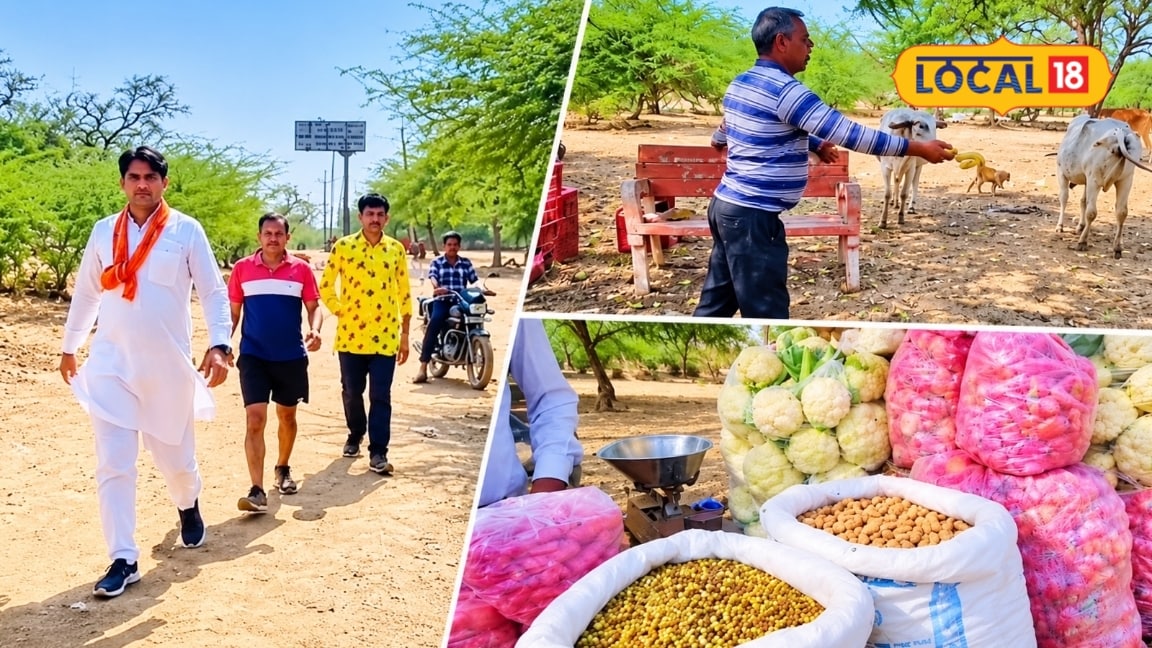
In the historic town of Deeg, located in the state of Rajasthan, a profound and unique tradition of animal welfare unfolds during the sacred parikrama near the revered Shrinath Ji Temple. Pilgrims and spiritual seekers participating in the ritual journey integrate acts of profound compassion by providing sustenance to stray animals, birds, and monkeys that inhabit the region. This observance seamlessly merges devotional practices with humanitarian and ecological duties, establishing a standard for conscientious spiritual tourism.
The roots of this custom trace back to traditional Indian socio-religious philosophies that emphasize universal empathy and respect for all living creatures. Historical precedents across various pilgrimage routes in Rajasthan have long encouraged the coexistence of human devotion and wildlife protection. The specific focus on the area surrounding the Shrinath Ji Temple in Deeg highlights how localized spiritual practices evolve into enduring cultural institutions that prioritize the welfare of vulnerable populations, including urban and semi-urban wildlife.
As devotees embark on the parikrama route, the logistical engagement involves the active distribution of provisions such as roasted grams, peanuts, and fresh green vegetables. These food items are carefully selected to cater to the nutritional requirements of monkeys and stray cattle along the path. While formal statistical records regarding the exact daily volume of grain and vegetables distributed are maintained informally by local community groups, the economic and logistical footprint of this tradition remains substantial, involving numerous local vendors and regular participants throughout the pilgrimage season.
Local stakeholders, including temple authorities, resident shopkeepers, and returning pilgrims, express deep reverence for this enduring tradition. Observers note that the practice not only fulfills a perceived spiritual obligation to enhance the merits of the parikrama journey but also fosters a peaceful equilibrium between humans and local animal populations. Conversations with community members underline that feeding the voiceless during sacred journeys is viewed as a direct extension of worship, reinforcing social bonds and collective responsibility toward the environment.
Although the primary manifestation of this tradition occurs within Deeg, its resonance extends throughout the broader regional landscape of Rajasthan, influencing cultural perceptions in neighboring districts. The emphasis on wildlife welfare during religious excursions serves as a model for sustainable community engagement, demonstrating how traditional events can actively address the welfare needs of dependent animals without relying entirely on institutional intervention.
Administrative and civic bodies operating within the region observe these traditional practices with collaborative oversight, ensuring that the distribution of food remains orderly and environmentally sound. Local municipal frameworks occasionally coordinate with community organizers to maintain cleanliness along the parikrama pathways, thereby balancing the enthusiastic participation of devotees with public health and sanitation standards around the Shrinath Ji Temple.
Looking toward the future, community leaders and cultural custodians anticipate that this unique tradition of Deeg will continue to thrive across generations. As awareness regarding animal rights and ecological sensitivity grows globally, the indigenous practices observed during the Shrinath Ji Temple parikrama provide a timeless blueprint for integrating compassion into everyday religious life, ensuring that spiritual fulfillment and ecological care remain mutually supportive endeavors.
