
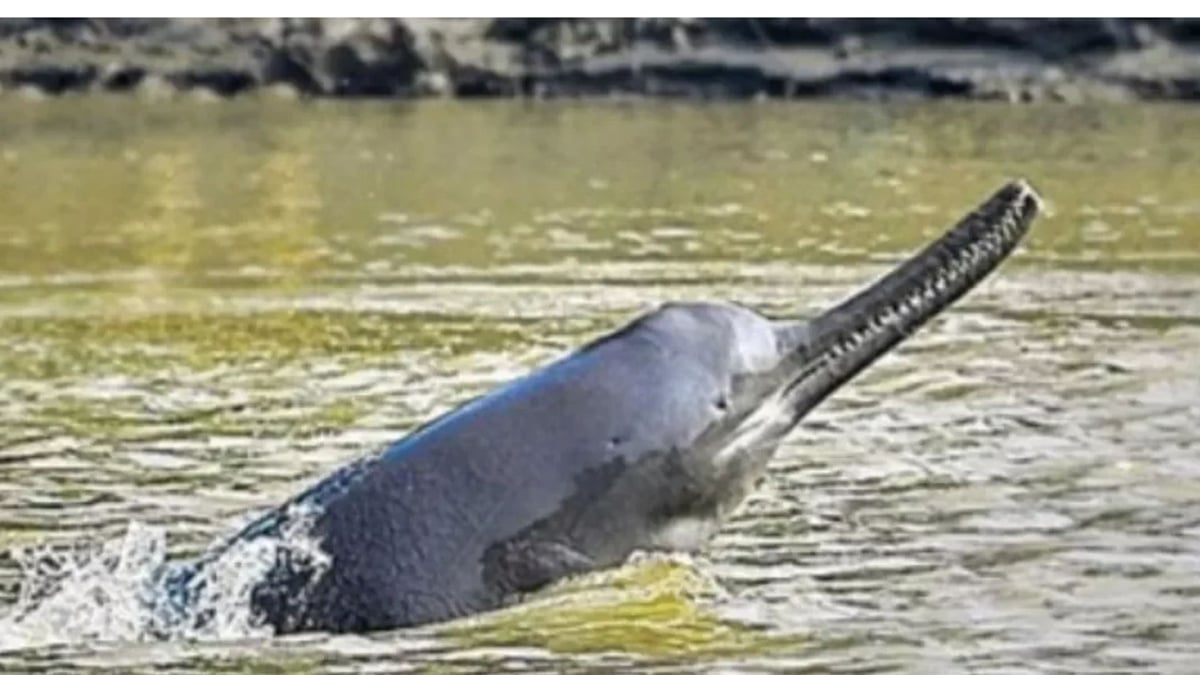
A comprehensive and technologically advanced survey to accurately assess the river dolphin population has officially commenced in the National Chambal Gharial Sanctuary. Spanning across multiple jurisdictions, this rigorous scientific endeavor is being conducted collaboratively by the forest departments of Rajasthan, Madhya Pradesh, and Uttar Pradesh, in direct partnership with esteemed specialists and researchers.
The initiative gains profound historical context and ecological significance as it aims to monitor aquatic biodiversity within the treacherous ravines of the Chambal River. The river serves as a crucial natural habitat for several endangered freshwater species, making regular population counts imperative for long-term conservation planning and environmental protection strategies across state borders.
Providing essential technical expertise, specialized wildlife experts from Dehradun have stepped forward to train forest personnel stationed along the river basin. These dedicated ground staff are being equipped with modern methodological tools, GPS tracking units, and observation techniques to ensure that the ongoing census yields precise, verifiable statistical data without disturbing the aquatic ecosystem.
Administrative stakeholders and conservationists have expressed optimism regarding the collaborative framework established between the three neighboring states—Rajasthan, Madhya Pradesh, and Uttar Pradesh. Coordination meetings among senior forest officials underscore a unified commitment to safeguarding the endangered aquatic mammals against poaching, habitat degradation, and fluctuating water levels.
While direct field operations are concentrated primarily along the Chambal riverine stretch affecting local riverside communities, the broader ecological ramifications resonate deeply throughout the wider northern region, including districts such as Kotputli-Behror where environmental awareness and wildlife preservation remain matters of significant public interest and administrative priority.
Bolstered by statutory oversight and inter-state coordination, the respective state forest departments have ramped up patrolling and monitoring protocols along the vulnerable river corridors. Officials maintain that continuous surveillance is vital to protecting the dolphins and ensuring that conservation policies are strictly enforced at every level of local administration.
Looking forward, the ongoing survey builds substantially upon the baseline data where 155 dolphins were recorded in February 2026. Experts anticipate that the current technological assessment will provide a clearer demographic picture, guiding future policy frameworks and conservation milestones for the National Chambal Gharial Sanctuary.
