
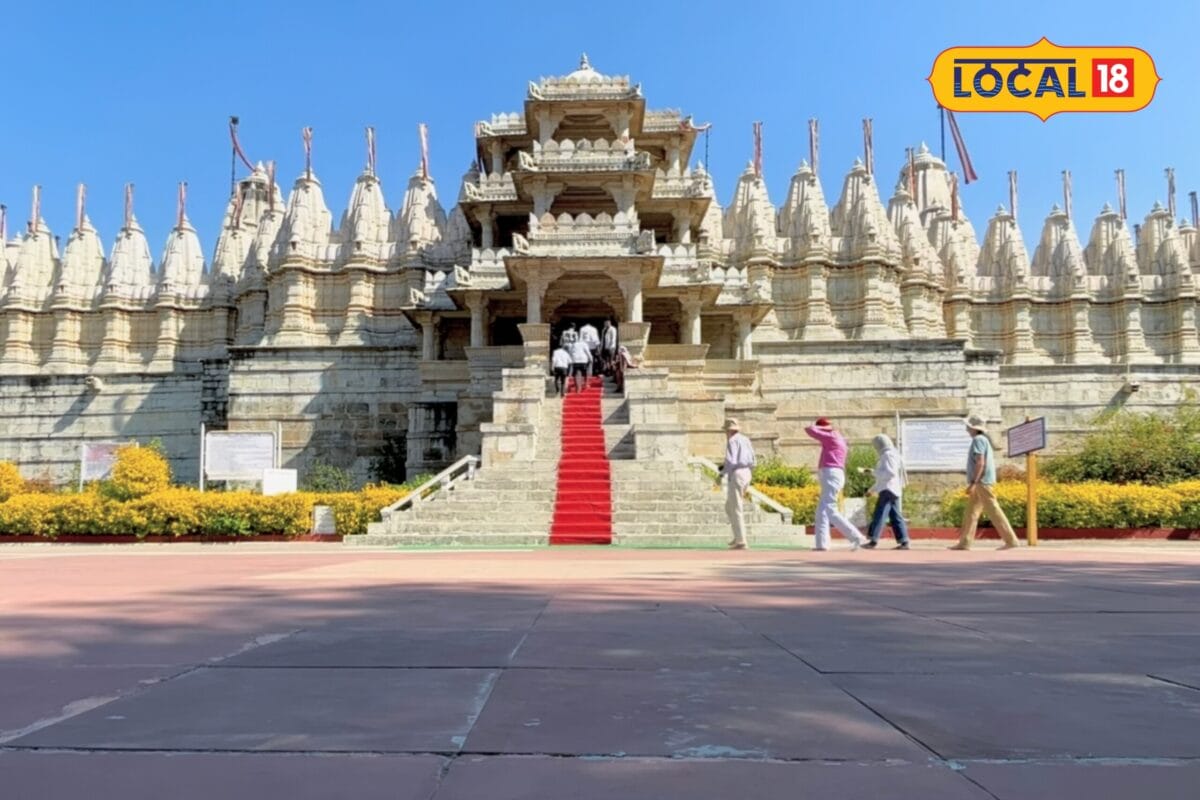
Located within the picturesque landscapes of the Pali district in Rajasthan, Ranakpur has long captured the imagination of travelers, historians, and pilgrims alike. While globally recognized for its architectural grandeur, the destination offers a much broader spectrum of attractions that extend far beyond its primary architectural landmarks. The region serves as a prominent cultural and geographical focal point within the state, blending centuries-old spiritual heritage with rugged natural beauty.
Historically, the area has evolved as a significant centre of ancient craftsmanship and religious devotion. The architectural marvels found here reflect the profound historical depth and artistic mastery of bygone eras. Scholars and heritage experts note that the preservation of these historical sites plays a critical role in maintaining the cultural continuity of the region, attracting researchers and history enthusiasts from various parts of the country.
At the heart of the region's architectural appeal is the magnificent Jain temple, distinguished remarkably by its 1444 intricately carved pillars, where no two pillars share the exact same design. Alongside this architectural masterpiece, tourists can explore five distinct and captivating locations that define the identity of Ranakpur. These sites collectively offer a harmonious blend of spiritual devotion, historical architecture, and natural wonder.
Local tourism stakeholders, guides, and hospitality operators emphasize that the inclusion of diverse attractions has significantly enriched the visitor experience. According to local service providers, the presence of multiple heritage and natural sites encourages tourists to extend their stay, thereby boosting regional economic activity, supporting local artisans, and generating sustainable livelihood opportunities for residents.
The regional impact of Ranakpur's tourism ecosystem extends positively throughout the surrounding administrative zones. The influx of visitors seeking historical education and ecological exploration has stimulated small-scale commerce, transportation services, and hospitality sectors. Community leaders point out that balanced tourism development remains vital for preserving the delicate ecological balance of the region while fostering economic growth.
Administrative oversight and local tourism bodies continue to implement measures aimed at preserving the structural integrity of historical monuments while improving visitor facilities. Authorities are actively engaged in maintaining infrastructure around the Ranakpur Dam and the access routes leading to the Parshuram Mahadev Cave, ensuring safe and seamless travel for pilgrims and adventure enthusiasts alike.
Looking forward, the outlook for Ranakpur remains exceptionally promising as promotional efforts continue to highlight its multifaceted attractions. With its unique combination of the historic Jain temple, the Sun Temple, the scenic Ranakpur Dam, the spiritual Parshuram Mahadev Cave, and the thrilling forest safari, the region is well-positioned to remain a premier destination for cultural and adventure tourism in Rajasthan.
