
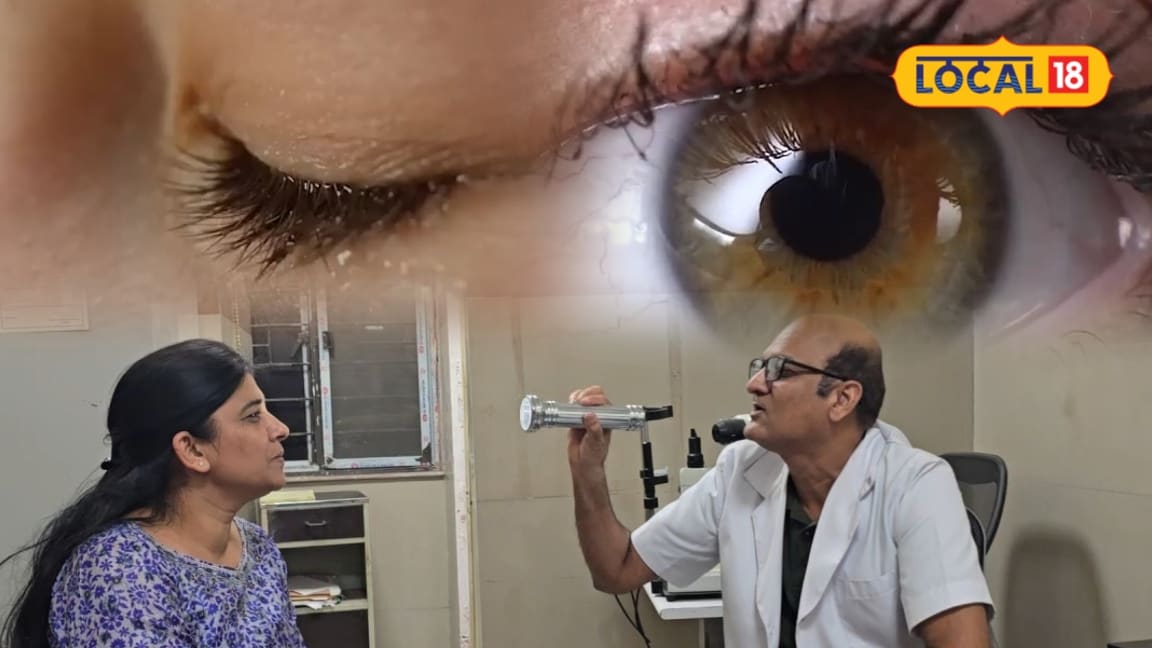
With the arrival of the winter season, environmental conditions undergo a significant transformation that directly impacts human health, particularly vision and ocular comfort. Across various regions, including Jodhpur, citizens increasingly report symptoms of severe dryness, persistent burning sensations, and discomfort commonly associated with dry eye syndrome. The combination of chilly seasonal winds and substantially reduced atmospheric moisture robs the eyes of their natural tear film, making them vulnerable to environmental irritants and pollutants.
The underlying mechanisms connecting winter weather to ocular distress involve rapid tear evaporation and compromised lipid layer stability on the surface of the eye. Historically, winter eye care has focused primarily on protection against extreme cold and dust storms, but modern lifestyles have introduced compounding complications. The pervasive integration of digital screens, mobile phones, and electronic gadgets into the daily routines of children has emerged as an unprecedented challenge for ophthalmologists and pediatric healthcare providers alike.
Medical evaluations across healthcare facilities frequently highlight a surge in pediatric patients suffering from digital eye strain compounded by winter dryness. While specific quantitative surveys vary, clinical observations point toward a rising trend of young individuals spending extensive hours before digital displays for education and entertainment. This prolonged near-work reduces blink rates significantly, thereby accelerating tear film depletion and exacerbating the seasonal dryness induced by atmospheric factors.
Addressing these pressing concerns, Dr. Arvind Chouhan, the Head of the Ophthalmology Department at the prominent Mathura Das Mathur Hospital in Jodhpur, has issued critical advisories for public health and safety. Dr. Chouhan emphasized that protecting vulnerable eyes from ambient dust and environmental pollution is paramount during the winter months. Furthermore, he strongly cautioned against the widespread and hazardous practice of purchasing and using over-the-counter eye drops without formal consultation and prescription from a qualified medical professional.
The broader implications of these seasonal ocular health challenges extend directly to communities within the Kotputli-Behror district and neighboring administrative regions. Local residents, outdoor workers, and students face similar climatic pressures as winter deepens across Rajasthan. Awareness regarding proper eye hygiene, limiting non-essential screen exposure among minors, and recognizing early symptoms of dry eye syndrome have become essential community health priorities to prevent long-term ocular damage.
Local medical establishments, administrative bodies, and health advocacy groups are gradually stepping up efforts to educate the general public on preventative eye care. Recognizing that self-medication with chemical-laden eye drops can cause severe allergic reactions, corneal abrasions, or masked infections, health authorities continue to reinforce strict compliance with professional ophthalmological guidelines. Public health messaging increasingly focuses on conscious blinking, maintaining adequate indoor humidity, and wearing protective eyewear when traversing dusty outdoor environments.
Looking forward, healthcare institutions and eye care specialists in Jodhpur and surrounding districts anticipate a sustained focus on preventive public health campaigns throughout the winter months. As digital dependency continues to grow alongside seasonal climatic shifts, comprehensive educational initiatives targeting schools and community centers will remain crucial. Medical experts maintain that informed behavioral modifications, combined with timely clinical intervention, will successfully safeguard community eye health against the compounded pressures of modern technology and winter weather.
