
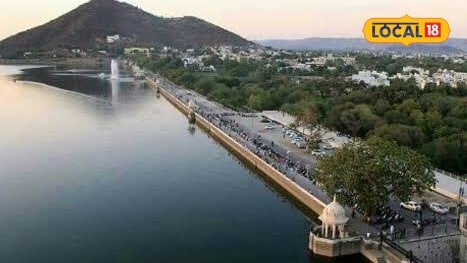
Amid escalating water scarcity and severe climate challenges across the state of Rajasthan, the historic lakes of Udaipur continue to serve as an indispensable lifeline for the region. As contemporary municipal water systems face unprecedented pressures, these ancient reservoirs offer a robust buffer against acute dry spells. The enduring reliability of these water bodies highlights a stark contrast with modern, fragile urban water infrastructure.
Centuries ago, the visionary Maharanas of Mewar conceived and executed an elaborate master plan to harvest and store rainwater. Their foresight transformed a semi-arid landscape into a resilient ecosystem interconnected by canals, catchment zones, and sprawling reservoirs. This historical engineering triumph was designed specifically to mitigate the perennial threat of droughts and famines that historically plagued the desert state.
Among these architectural and hydrological marvels, the iconic Pichola Lake and Asia's largest artificial freshwater marvel, Jaisamand Lake, stand tall as eternal testaments to traditional wisdom. These water bodies not only sustained historical populations through harsh summers but continue to function as massive storage reserves today. Their sustained capacity directly alleviates the mounting hydrological stress experienced by surrounding communities during peak summer months.
Environmental experts, historians, and local stakeholders frequently emphasize that the operational efficiency of these historic lakes holds vital lessons for contemporary urban planners. While modern water supply networks often struggle with leakages, depletion, and erratic rainfall patterns, the gravity-fed cascading network engineered during the Mewar era ensures optimal distribution and natural filtration of precious rainwater.
The lessons derived from Udaipur's water management system carry profound implications for expanding urban and rural clusters throughout the broader region. As surrounding districts grapple with depleting groundwater tables and erratic monsoon behaviors, the imperative to replicate decentralized rainwater harvesting models has never been more urgent. Safeguarding these catchments protects the broader socio-economic stability of dependent communities.
In response to mounting ecological pressures, administrative bodies and heritage conservation groups are continuously evaluating statutory measures to protect these catchment zones from unchecked urban encroachment. Ensuring the unhindered flow of feeder channels and preventing pollution in the lake basins remain top priorities for regional authorities tasked with long-term resource management.
Looking ahead, comprehensive preservation frameworks and stringent zoning laws surrounding the water basins of Pichola and Jaisamand are essential to guarantee water security for upcoming generations. By honoring the visionary blueprint laid down by the Maharanas of Mewar, contemporary society can successfully navigate modern climatic uncertainties and protect its priceless aquatic heritage.
