
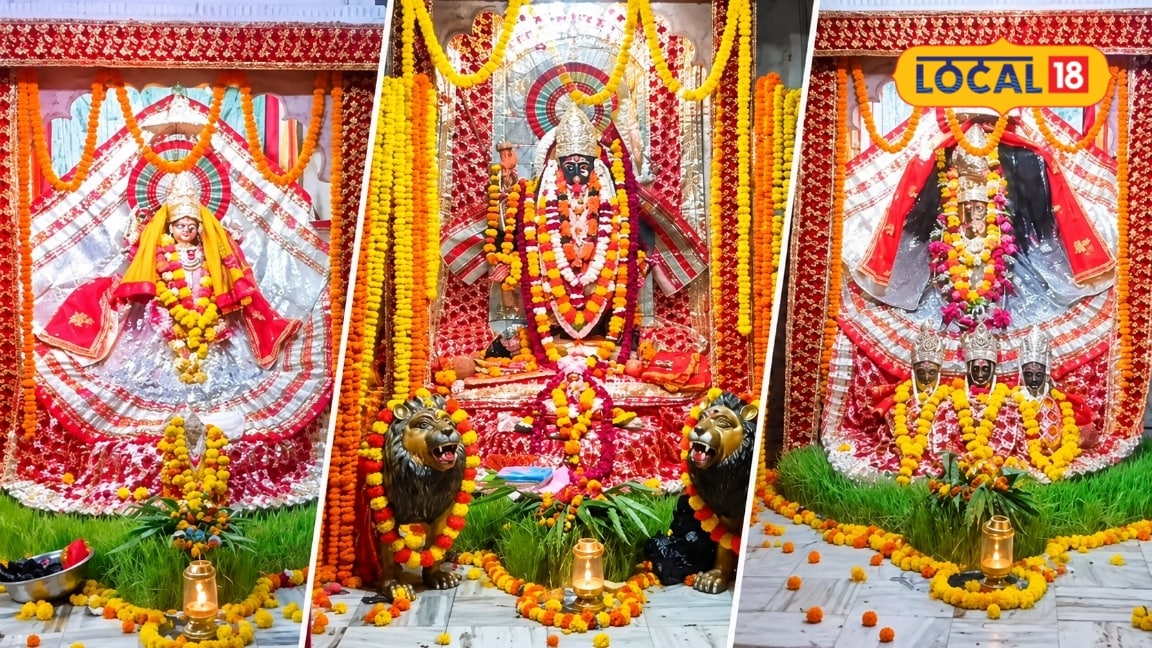
In the heart of Bharatpur, Rajasthan, a revered spiritual sanctuary located in Ranjeet Nagar continues to capture the profound devotion of thousands of followers through its distinct architectural and theological presentation. This unique temple is celebrated widely because it houses three principal goddesses—Mahakali, Mahalakshmi, and Mahasaraswati—simultaneously within its sacred sanctum. The simultaneous presence and joint worship of these three divine manifestations set this institution apart from conventional places of worship across the entire region, turning it into a prominent beacon of spiritual heritage.
Tracing the historical foundation of this religious institution reveals a rich past deeply rooted in the community's cultural fabric. Established in the year 1983, the temple was envisioned as a unified center for divine grace, bringing together the absolute powers of destruction, preservation, and knowledge as symbolized by the three goddesses. Over the span of more than four decades, the institution has evolved from a modest local worship site into a monumental pillar of faith, weathering the changing times while preserving its core spiritual traditions and architectural sanctity intact for generations of worshippers.
At the very center of the temple's spiritual appeal is the magnificent eternal flame, known locally as the unbroken flame of Maa Jwala, which has been continuously kept burning since the inception of the shrine. The logistical and ritualistic maintenance of this eternal flame demands unwavering dedication from the temple administration and priests. Hundreds of devotees frequent the premises daily, with numbers multiplying during festive seasons, all arriving to witness the divine glow of the flame and offer their solemn prayers to the triad of goddesses enshrined within the hallowed halls.
Reflecting on the cultural impact of the sanctuary, local elders, community leaders, and regular visitors emphasize how the temple serves as an emotional anchor for the populace. According to local devotees, the simultaneous worship of Mahakali, Mahalakshmi, and Mahasaraswati ensures that worshippers receive holistic blessings encompassing strength, prosperity, and wisdom. The collective faith of the community has successfully preserved the sanctity of the temple across generations, fostering an environment of peace, unity, and spiritual solace for everyone who crosses the threshold.
While the immediate geographical footprint of the temple lies within Bharatpur district, its spiritual resonance extends far beyond, touching the broader administrative and cultural regions of Rajasthan. Pilgrims traveling from neighboring districts and distant towns frequently include the Ranjeet Nagar temple in their spiritual itineraries, thereby boosting local religious tourism and fostering a connected regional economy where local artisans, vendors, and small business operators find sustainable livelihoods catering to the influx of pious visitors.
On the administrative and organizational front, the temple management committee oversees the daily operations, crowd control, and ritual schedules to ensure that the heavy footfall of devotees is handled smoothly. Maintaining a historic religious site that spans over four decades requires meticulous planning, security measures, and crowd management protocols, especially given the continuous arrival of pilgrims eager to catch a glimpse of the eternal flame and offer their respects to the three goddesses.
Looking toward the future, the temple authorities and local devotees remain committed to preserving the pristine traditions established in 1983 while accommodating the growing number of visitors. Plans for enhancing visitor amenities, organizing large-scale spiritual gatherings, and expanding community welfare activities are currently under consideration. As the shrine enters its fifth decade of existence, it stands resiliently as a timeless testament to collective devotion, cultural heritage, and spiritual harmony in Rajasthan.
