
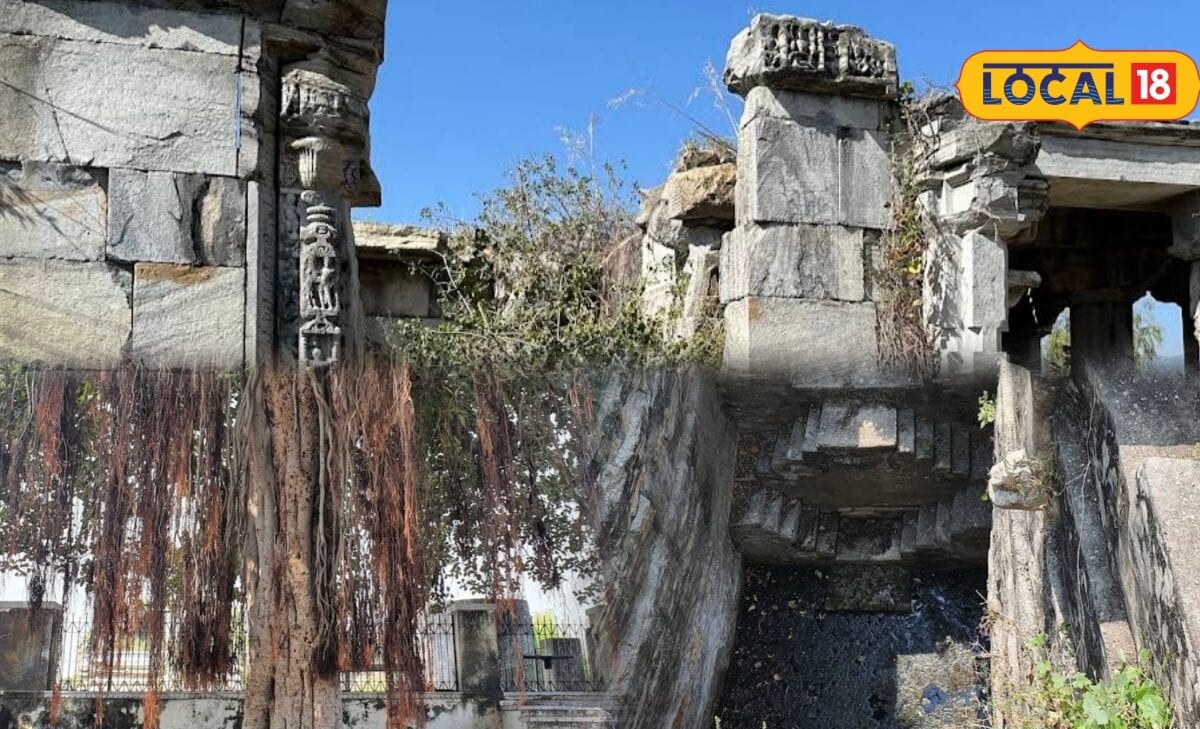
Nestled amidst the rugged landscapes of Sirohi district in Rajasthan, the ancient ruins of Basantgarh hold the monumental weight of a glorious and largely overlooked chapter of Indian history. This archaeological treasure trove features a remarkable Sun Temple whose structural remains silently narrate tales of an era spanning over 1400 years. As historians and heritage enthusiasts delve deeper into the remnants of this site, the true grandeur of the region's architectural and cultural past continues to unfold with astonishing clarity.
The historical significance of Basantgarh is profoundly anchored in a specific archaeological discovery dating back to 625 CE. During extensive epigraphical studies at the location, researchers uncovered a crucial stone inscription that bears the definitive historical term 'Rajasthanı̄yāditya'. This remarkable linguistic and historical evidence provides an invaluable window into the sociopolitical nomenclature and administrative framework of ancient western India, shedding light on a period that laid the foundational ethos of regional identity.
Historical records and epigraphical findings indicate that during the year 625 CE, the entire administrative territory surrounding Basantgarh was governed under the sovereign authority of the Chapotkata dynasty king Varmalata. The governance of the local territory was systematically managed by his able feudatory, chief Rajjila, who administered the strategic Abu Raj region. This intricate hierarchical structure highlights the sophisticated political organization and regional governance models operational in Rajasthan during the early medieval period.
Centuries after the era of King Varmalata and chief Rajjila, the strategic and geopolitical importance of Basantgarh underwent a major transformation under the visionary leadership of Mewar's legendary ruler, Maharana Kumbha. Recognizing the supreme defensive and geographical advantages of the terrain, Maharana Kumbha successfully conquered Basantgarh and subsequently commissioned the construction of the formidable Basanti Fort, further cementing the region's military and historical prominence.
The cultural and economic reverberations of preserving such ancient heritage sites extend deeply into the neighboring communities and districts, including Kotputli-Behror, where local populations take immense pride in Rajasthan's martial and architectural legacy. Heritage tourism, academic research, and cultural documentation driven by these ancient sites foster a renewed sense of historical awareness among the youth, while simultaneously stimulating regional economic interest through controlled cultural tourism initiatives.
In response to the historical importance of the Basantgarh Sun Temple and its associated 1400-year-old inscriptions, various academic bodies, heritage conservationists, and regional administrative departments are increasingly advocating for enhanced statutory oversight. Experts emphasize the urgent need for comprehensive archaeological documentation, structural stabilization of the ruins, and robust protective measures to shield these invaluable historical assets from natural degradation and environmental weathering.
Looking toward the future, heritage experts and local stakeholders anticipate a structured timeline of systematic archaeological surveys and public awareness campaigns to bring the legacy of Basantgarh to the forefront of national tourism and historical studies. By implementing meticulous preservation procedures and encouraging scholarly engagement, the ancient narrative of King Varmalata, chief Rajjila, and Maharana Kumbha will be securely transmitted to forthcoming generations.
