
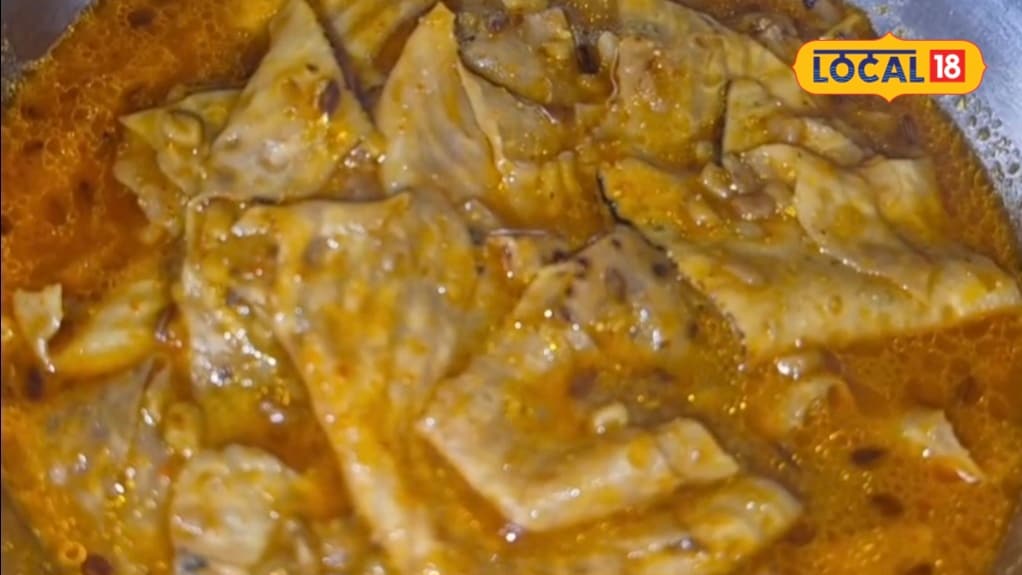
In the heart of Rajasthan's culinary landscape, the traditional kitchens of Jalore continue to preserve time-tested recipes that define the regional gastronomic identity. Among these, the preparation of papad and dana methi sabji stands out as a remarkable testament to resourcefulness and exceptional taste. This indigenous dish achieves culinary excellence using remarkably few ingredients, demonstrating how local households create wholesome meals from staple pantry items.
The culinary roots of this sabji trace back generations within the Jalore region, where climatic conditions necessitated the use of sun-dried and preserved ingredients. Fenugreek seeds, scientifically known as Trigonella foenum-graecum, form the robust foundation of this preparation, offering a distinct bitter profile that is carefully balanced with regional spices. Combined with crispy roasted papad, the dish creates a harmonious textural contrast that has satisfied local palates for decades.
Examining the ground reality of its preparation, the recipe requires precise balancing of flavors through traditional spice blends while managing the rehydration of the fenugreek seeds. Culinary practitioners emphasize that soaking and boiling the dana methi correctly eliminates excess bitterness without compromising its nutritional value. The incorporation of roasted papad adds a smoky depth to the gravy, ensuring that the final dish maintains a desirable consistency and rich aroma.
Local food connoisseurs and home cooks in Jalore frequently discuss the cultural significance of passing down these exact proportions through oral traditions. Elders within the community often recount how this preparation sustained families during periods when fresh vegetables were scarce, proving that necessity could indeed drive remarkable culinary innovation. These generational cooking methods are carefully safeguarded within households across the district.
Although originating specifically in Jalore, the appeal of this dish extends throughout the wider region, influencing culinary preferences across neighboring districts. The emphasis on indigenous, easily storable components makes it a practical choice for daily consumption while preserving the authenticity of Rajasthani heritage cooking. Culinary enthusiasts across the state frequently replicate this recipe to capture the genuine essence of rural Rajasthani hospitality.
Nutritional experts and traditional practitioners often highlight the health benefits associated with the primary components of this sabji, particularly the digestive properties attributed to fenugreek seeds. As modern lifestyles increasingly embrace fast foods, community leaders and cultural preservationists advocate for the documentation and promotion of such traditional dishes to maintain dietary continuity among younger generations.
Looking forward, the preservation of recipes like papad dana methi sabji relies on active documentation and home-based culinary education. Culinary tourism initiatives in Jalore increasingly feature such authentic preparations to attract visitors seeking genuine cultural immersion. Ultimately, this modest yet flavorful dish remains a enduring symbol of the ingenuity embedded within Rajasthan's rich culinary heritage.