
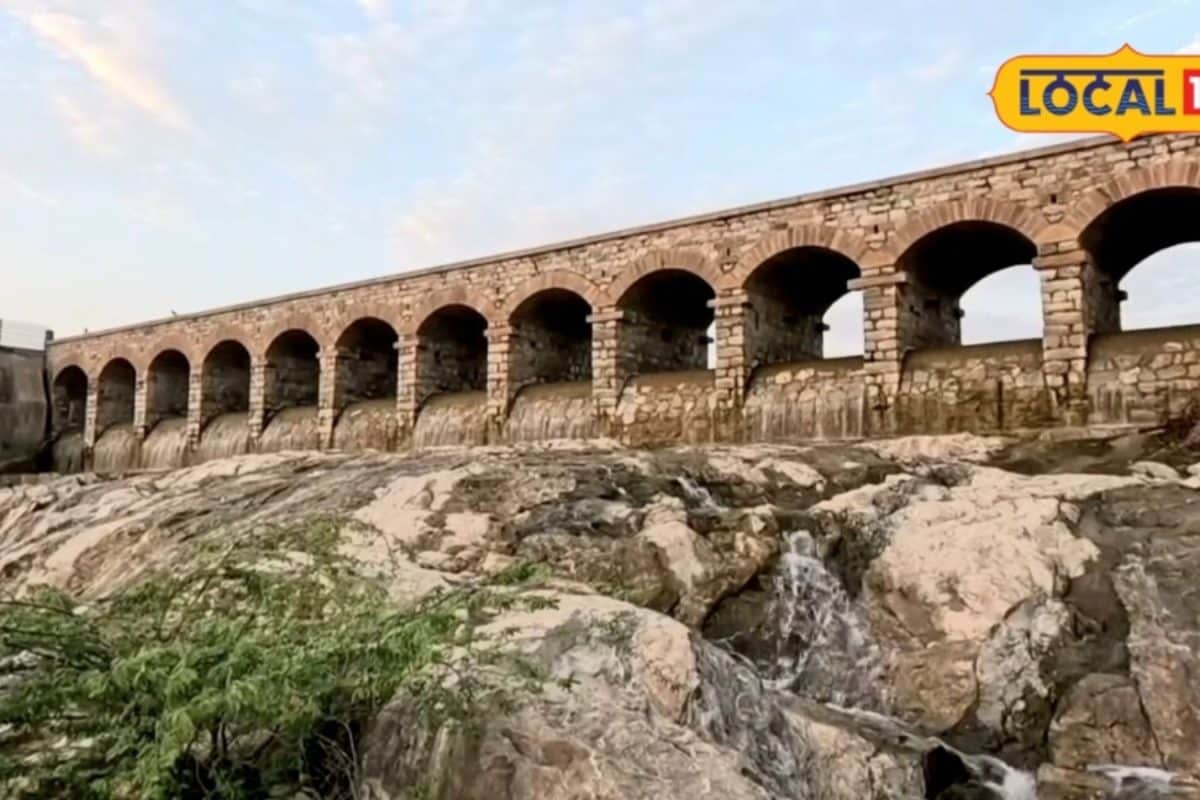
In the heart of Pali district within western Rajasthan, the remarkable 119-year-old Sardar Samand Dam stands as an enduring monument of historical pride and architectural excellence. Recognized officially as the second largest dam in western Rajasthan, this magnificent water reservoir has silently witnessed over a century of transforming landscapes, climatic variations, and socio-economic evolutions. Constructed during an era of visionary regional planning, the dam continues to command immense respect from historians, engineers, and local residents alike, symbolizing a glorious chapter in the annals of regional development.
The historical origins of the Sardar Samand Dam are deeply intertwined with the visionary leadership of Maharaja Sardar Singh, under whose royal patronage the massive construction project was successfully executed. Historical records and local narratives emphasize that even during the British colonial era, administrators and visiting dignitaries held profound admiration for the sheer engineering brilliance and structural durability of the dam. Maharaja Sardar Singh conceived this massive water security initiative to combat recurring droughts and secure a dependable water supply for the agrarian communities inhabiting the arid stretches of western Rajasthan.
Assessing the ground reality, the Sardar Samand Dam functions fundamentally as the premier agricultural lifeline for Pali district and surrounding territories, ensuring steady irrigation channels for expansive farmlands. As the second largest dam in the region, its colossal water storage capacity directly influences the agrarian economy, providing crucial sustenance to crops during deficient monsoon seasons. The precise hydrological statistics associated with the reservoir reflect its vital role in regional water management, mitigating the severe vulnerabilities traditionally associated with desert and semi-arid geographies.
Beyond its indispensable agricultural utility, the picturesque surroundings of the Sardar Samand Dam have evolved into a prominent tourism hub, attracting nature enthusiasts, ornithologists, and heritage travelers from across the nation. The lush environs, coupled with the rich biodiversity surrounding the reservoir, create an idyllic ecosystem where wildlife thrives harmoniously. Local community leaders, tourism stakeholders, and environmental custodians frequently articulate their deep reverence for the historic site, noting that its preservation is paramount for maintaining both ecological balance and cultural heritage.
While the immediate geographical impact is centered within Pali district, the broader ripple effects of the Sardar Samand Dam extend across the socio-economic fabric of western Rajasthan. Reliable water availability supports rural livelihoods, bolsters regional trade centered around agricultural yields, and sustains a thriving tourism sector that generates employment opportunities for local youths. The enduring legacy of Maharaja Sardar Singh thus continues to yield dividends for contemporary generations, proving that sustainable water infrastructure remains the ultimate catalyst for regional prosperity.
Administrative oversight and statutory maintenance of the Sardar Samand Dam are continuously prioritized by regional water resource authorities and district administration officials. Routine engineering evaluations, structural audits, and silt management protocols are periodically implemented to safeguard the structural integrity of the 119-year-old reservoir. Officials maintain strict vigilance to ensure that water distribution channels operate transparently and efficiently, balancing the competing demands of agricultural irrigation, ecological conservation, and public recreation.
Looking toward the forward outlook, local authorities and civil society organizations are collaborating on comprehensive conservation frameworks to protect the heritage value and functional capacity of the Sardar Samand Dam. Upcoming procedural enhancements involve modernizing peripheral tourism infrastructure while strictly preserving the pristine ecological zone surrounding the water body. Public expectations remain high that sustained governmental patronage and community stewardship will successfully preserve this monumental gift from Maharaja Sardar Singh for many decades to come.
