
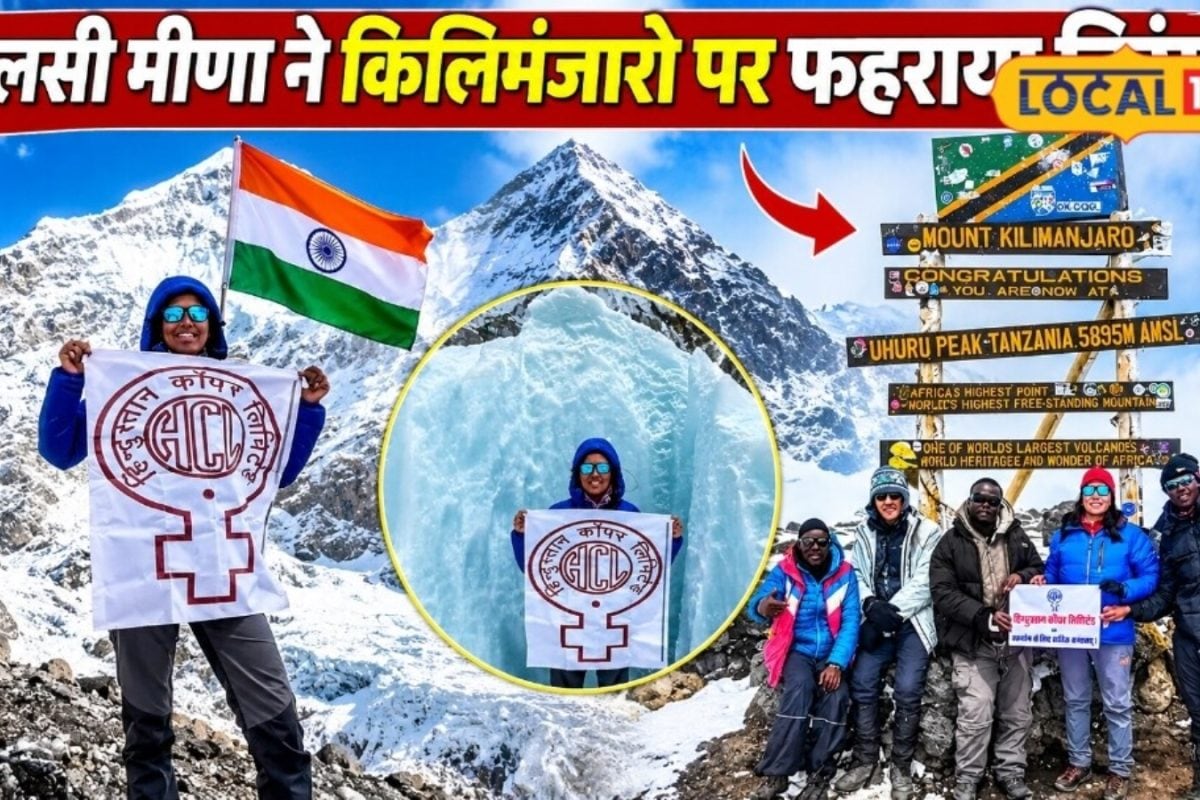
In an extraordinary display of human resilience and unwavering determination, mountaineer Tulsi Meena has etched her name in history by conquering Mount Kilimanjaro in Africa. Rising to an impressive altitude of 19,341 feet, she successfully hoisted the Indian tricolor at the summit. This monumental achievement demonstrates that financial constraints and systemic economic hurdles cannot suppress a truly resolute spirit when backed by hard work and dedication.
The journey toward this monumental milestone was fraught with severe financial challenges that could easily have deterred anyone with a lesser resolve. Coming from a background marked by economic scarcity, Tulsi Meena faced immense monetary obstacles right from the inception of her mountaineering preparations. Securing adequate funding for specialized high-altitude expedition gear, rigorous training regimens, and international travel logistics presented a continuous series of uphill battles.
Despite these daunting financial realities, her persistent perseverance caught the attention of corporate supporters who recognized her raw talent and unbreakable grit. With vital institutional support extended by HCL, the financial roadblocks that threatened to halt her expedition were systematically addressed. This crucial collaboration bridged the gap between her limited personal resources and the extensive logistical requirements demanded by an international 19,341-foot mountain expedition.
Observers, sports enthusiasts, and community members have widely praised her ability to overcome structural financial barriers through sheer willpower. Stakeholders in youth development and sports promotion emphasize that stories like Tulsi Meena demonstrate the critical importance of corporate partnerships and institutional backing in nurturing grassroots talent. Her journey highlights how timely intervention can transform individual aspirations into national pride on global platforms.
The ripple effects of this historic mountaineering success extend deeply into the regional socio-economic fabric, inspiring countless young aspirants in local communities. Youth from modest backgrounds now view mountaineering and adventure sports as viable and respectable avenues for personal growth and national recognition. The local community takes immense pride in witnessing one of their own stand tall on the global stage, proving that geography and economic status do not dictate the heights one can achieve.
Administrative circles and sports authorities have noted the significance of this triumph, emphasizing the need for structured frameworks to support talented individuals facing financial hardships. Local leaders and community organizations have expressed their intent to felicitate Tulsi Meena upon her return, acknowledging her contribution to elevating the prestige of the region. Such official recognition serves to validate the rigorous training and personal sacrifices endured throughout the grueling expedition.
Looking toward the future, Tulsi Meena's successful ascent of Mount Kilimanjaro opens new doors for her upcoming mountaineering endeavors and leadership roles in adventure sports. Experts anticipate that her milestone will encourage broader public and private sector investments in grassroots athletic talent across the nation. As she continues to set higher goals, her inspiring journey remains a permanent testament to the fact that courage, coupled with strategic support, can overcome any earthly obstacle.
