
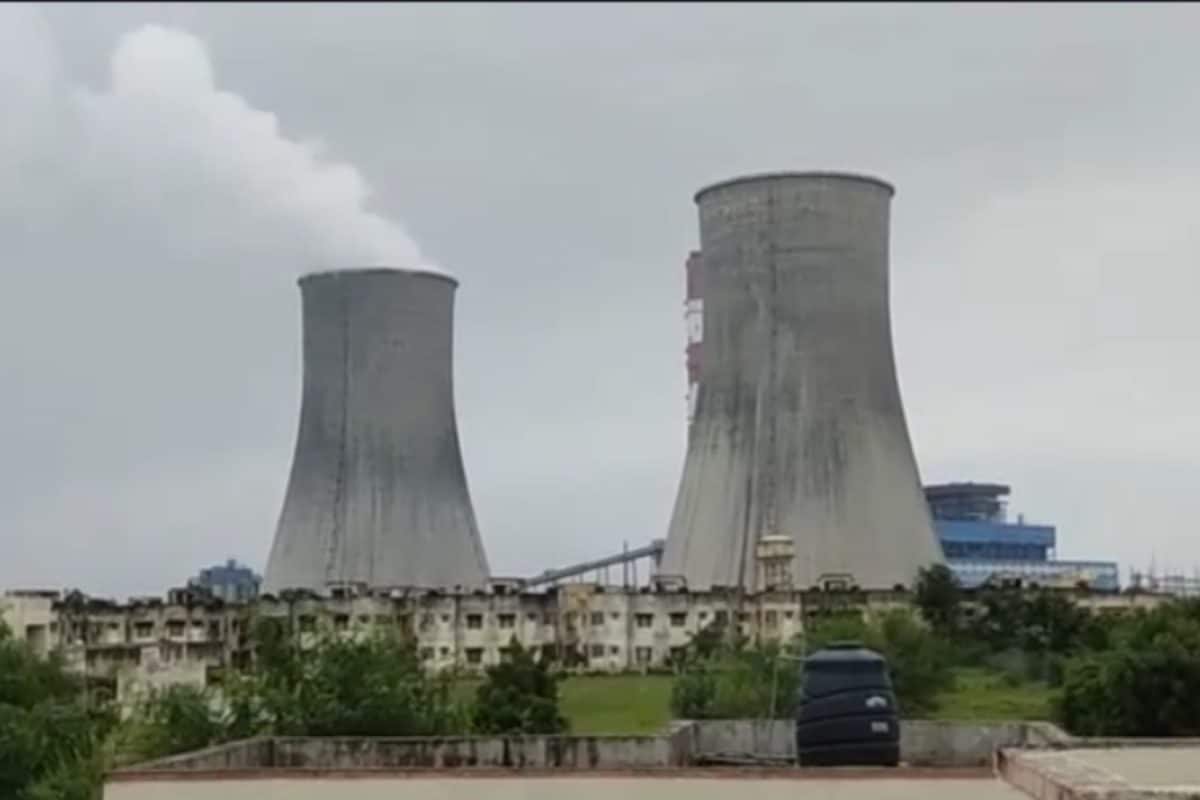
In a significant development just ahead of the auspicious Diwali festival, the state of Rajasthan has received a major power supply boost with the resumption of operations at a critical unit of the Kalisindh Thermal Power Plant located in Jhalawar. The power generation unit, which remained completely shut down for two consecutive months due to technical and operational constraints, has successfully synchronized back with the state grid, marking a major milestone for the regional energy sector and power distribution networks.
The prolonged closure of the Kalisindh Thermal Power Plant unit had previously posed severe challenges to the state administration and power distribution corporations, particularly during periods of fluctuating demand and heavy industrial consumption. Over the past two months, engineering teams worked tirelessly to resolve the underlying technical complications that had forced the suspension of generation. The successful revival of this facility marks the culmination of extensive maintenance, safety overhauls, and rigorous trial runs conducted by specialized technical personnel.
With the plant now fully functional, an additional 600 megawatts of electricity is being injected directly into the state power grid. This substantial quantitative augmentation comes at a crucial juncture when domestic, commercial, and agricultural power demands traditionally witness a sharp surge during the festive season of Diwali. The availability of these 600 megawatts ensures that distribution companies have adequate buffer capacities to prevent localized outages, load shedding, and voltage fluctuations across various regions.
Industry experts, regional trade bodies, and local citizen groups have expressed immense relief following the official announcement of the plant resumption. Reliable and uninterrupted power supply is considered a fundamental prerequisite for commercial establishments, small-scale industries, and households preparing for festive celebrations. The operational stability of the Kalisindh facility directly alleviates the pressure on alternative, costlier power purchase agreements, thereby stabilizing fiscal expenditures for the state exchequer during peak consumption periods.
The positive ripple effects of this enhanced power generation extend far beyond the immediate vicinity of Jhalawar, positively influencing districts throughout Rajasthan, including burgeoning administrative zones such as the Kotputli-Behror region. Commercial markets, residential sectors, and rural agricultural feeders in these areas rely heavily on an uninterrupted grid to maintain economic momentum. A stable 600-megawatt injection guarantees that local businesses can operate unhindered and families can celebrate festivals without the persistent anxiety of sudden power failures.
Administrative authorities and energy regulators have maintained strict oversight throughout the restoration process, prioritizing safety compliance, environmental standards, and long-term asset durability. Senior officials from the state energy department closely monitored the phased restarting protocols to ensure that the Kalisindh Thermal Power Plant operates at optimal efficiency without compromising mechanical integrity. Continuous monitoring mechanisms have been instituted to preempt any future disruptions and guarantee sustained generation outputs.
Looking ahead, the successful revival of the Kalisindh unit serves as a testament to technical resilience and proactive governance in managing critical public infrastructure. As Rajasthan enters the peak festive weeks, the assurance of robust electricity availability sets a positive tone for both public welfare and economic productivity. Stakeholders remain optimistic that sustained operations at the Jhalawar plant will maintain grid stability well into the upcoming winter months, securing long-term energy sufficiency for the entire state.
