
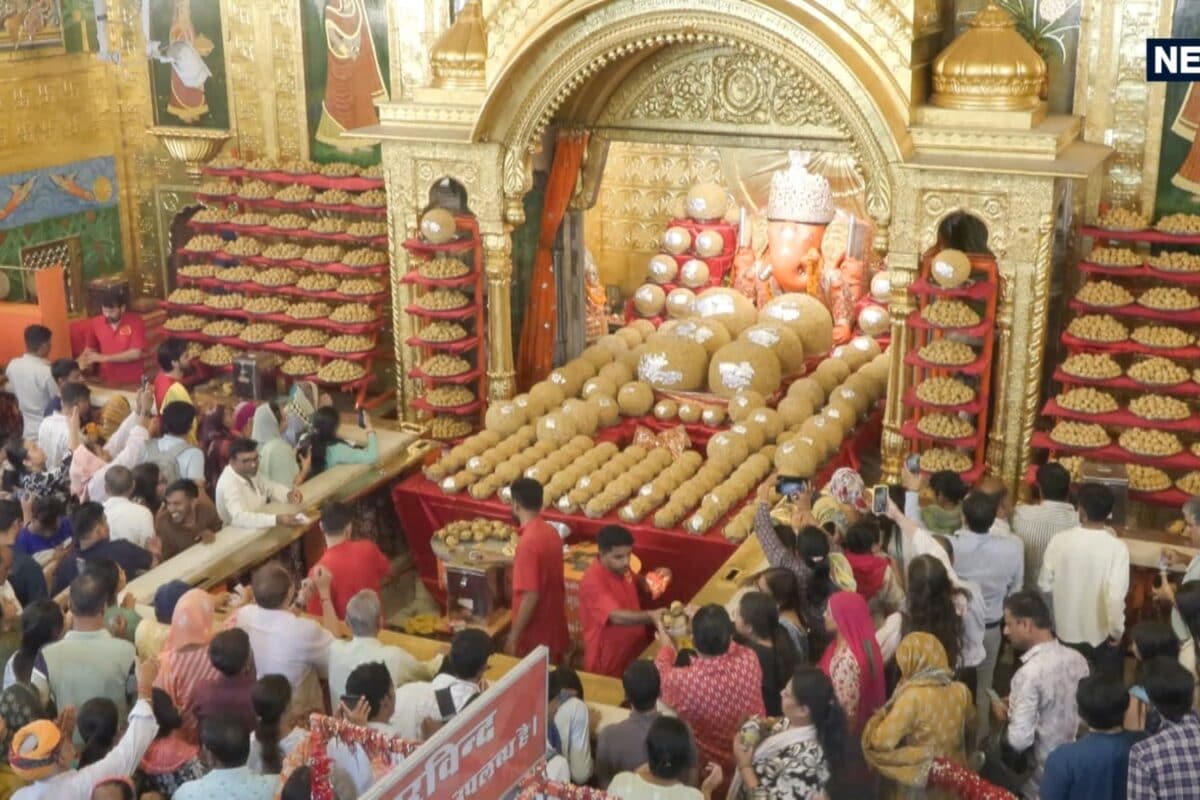
The Moti Doongri Ganesh Temple in Jaipur occupies a preeminent position among the holy shrines of the Pink City, serving as the principal deity worshiped by residents and visitors alike. Dedicated to Lord Ganesha, the temple attracts countless devotees from across the country and abroad, particularly during auspicious occasions such as Ganesh Chaturthi. The sacred precinct is deeply woven into the cultural and spiritual fabric of the region, functioning as a vital cornerstone of religious devotion.
Tracing the historical origins of this revered institution reveals a fascinating narrative tied to the royal heritage of Rajasthan. The establishment of the temple dates back to the year 1761, a period marked by significant architectural and cultural developments in the region. The foundational history is directly linked to the erstwhile ruler of Jaipur, Sawai Madhav Singh, who played a pivotal role in bringing the sacred deity to the capital.
According to historical accounts, King Sawai Madhav Singh brought the revered idol of Lord Ganesha from Mavli in the Mewar region to Jaipur. This monumental journey laid the groundwork for what would eventually become one of the most visited and venerated temples in the entire state. The meticulous care with which the installation was carried out in 1761 ensured that the deity received a prominent and permanent home atop the Moti Doongri hill.
In terms of contemporary ground reality, the temple experiences a massive surge of visitors on a weekly basis, with Wednesdays holding special significance for devotees. Long queues of worshippers form from early morning hours as individuals seek divine intervention before embarking on new ventures, purchasing new vehicles, or initiating important life milestones. The unwavering faith of the public transforms the temple premises into a vibrant hub of spiritual activity throughout the week.
The cultural resonance of the Moti Doongri Ganesh Temple extends far beyond the immediate municipal boundaries of Jaipur, deeply influencing neighboring areas, including the Kotputli-Behror district. Pilgrims and travelers from various towns frequently make the pilgrimage to seek blessings, thereby strengthening regional socio-cultural ties and contributing to the local tourism economy. The movement of devotees underscores the temple's enduring significance as a unifying spiritual anchor for the broader region.
Administrative and temple management protocols are continuously adapted to handle the immense influx of pilgrims, particularly during major festivals and weekly observances. Authorities and temple committees work in tandem to ensure orderly crowd management, traffic regulation, and safety measures for the visiting public. These organized efforts are crucial in maintaining a peaceful environment for thousands of devotees who gather to offer their prayers.
Looking ahead, the administration and temple custodians remain committed to preserving the historical heritage while enhancing pilgrim amenities. As generations of devotees continue to tie threads at the sacred site in fulfillment of their vows, the legacy established by Sawai Madhav Singh in 1761 perseveres. The temple stands resiliently as an enduring symbol of devotion, historical continuity, and cultural pride for Jaipur and the entire state of Rajasthan.