
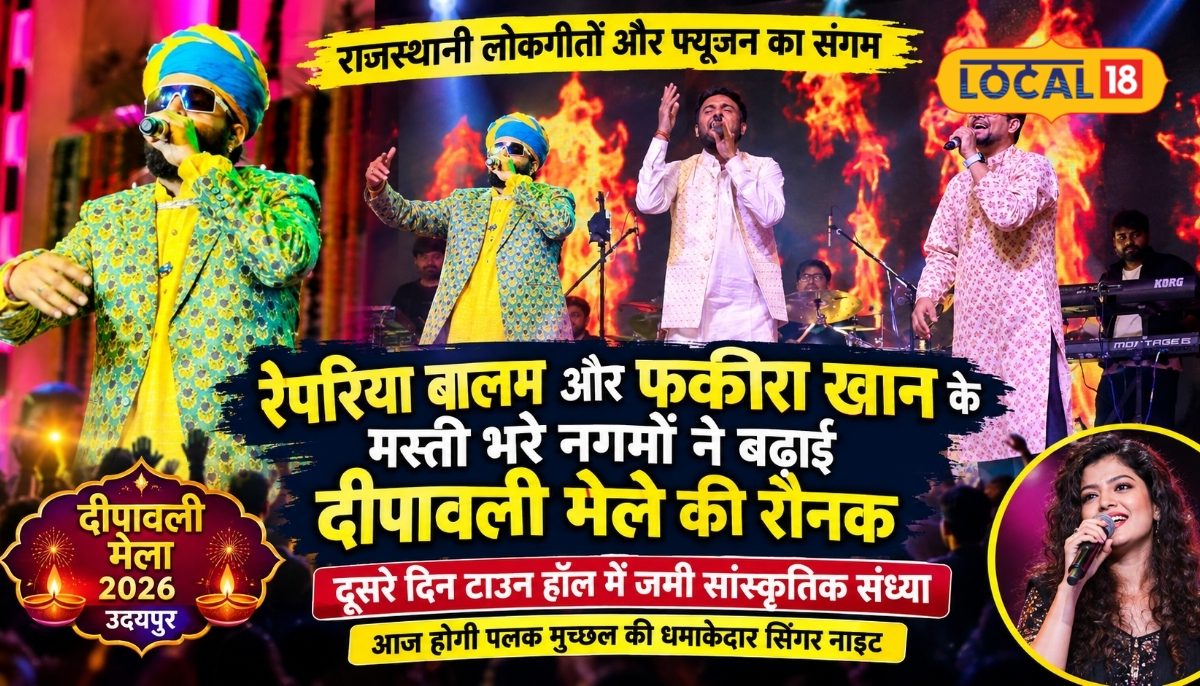
The annual Deepavali fair in the region became a remarkable celebration of traditional arts and culture, highlighted by soul-stirring performances of authentic Rajasthani folk music. Attendees gathered in large numbers to experience an evening filled with rich melodies that resonated deeply with the cultural identity of the region. The atmosphere was charged with enthusiasm as traditional tracks and contemporary folk fusion echoed through the venue.
Cultural gatherings of this magnitude hold immense significance for preserving regional heritage, serving as vital platforms where traditional artists can showcase time-honored compositions. Over the years, these fairs have evolved beyond mere marketplaces into crucial cultural epicenters. They provide a much-needed stage for folk artists who dedicate their lives to safeguarding indigenous musical expressions against the tide of modern homogenization.
A major highlight of the musical showcase featured renowned artist Fakira Khan, whose powerful and evocative voice captivated the audience alongside popular renditions such as 'Reparia Balam'. The musical arrangements struck a chord with people of all age groups, bridging generational divides through the universal appeal of folk rhythms. Listeners enthusiastically joined in celebrating the vibrant sounds that define the cultural tapestry of Rajasthan.
Speaking about his lifelong mission, artist Fakira Khan articulated a profound vision regarding the continuity of indigenous arts. He emphasized that his primary objective is to ensure that traditional Rajasthani folk music and culture are successfully transmitted from generation to generation. According to Khan, imparting traditional songs and musical training to young family members alongside regular education is essential to keeping this ancestral heritage alive and thriving.
Elaborating on the organizational scale of their cultural preservation efforts, Khan revealed that their collective network comprises a dedicated workforce. More than 100 members are currently actively engaged within their group, working collaboratively to propagate, practice, and promote this classical art form. This sizable community network demonstrates a robust grassroots commitment to sustaining indigenous traditions without dilution.
Community leaders and cultural observers have continually stressed the importance of institutional and public support for such committed artist groups. As modernization accelerates, the financial and logistical challenges faced by traditional folk artists have grown significantly. Ensuring that groups with over 100 active practitioners receive adequate platforms is vital for maintaining the economic viability of traditional occupations tied to folk arts.
Looking toward the future, cultural custodians and organizers remain optimistic that continued public appreciation at events like the Deepavali fair will inspire younger generations. By integrating traditional learning with modern educational pursuits, families involved in folk arts are carving out a sustainable path forward. The enduring success of performances by artists like Fakira Khan reinforces the timeless appeal and resilience of Rajasthan's musical heritage.
