
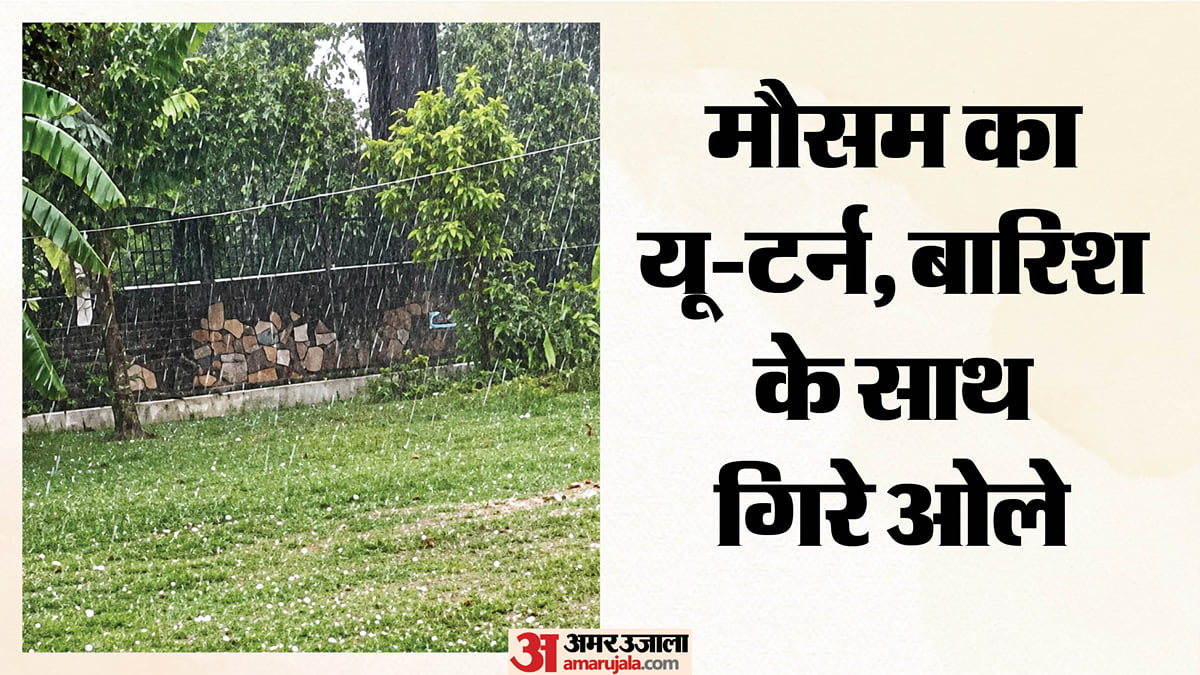
In an unexpected shift in atmospheric conditions, the Alwar district in Rajasthan witnessed a sudden transformation in weather on Friday afternoon, bringing precipitation and a notable drop in temperatures. Residents across multiple localities experienced sudden rainfall accompanied by hailstorms, which immediately altered the climatic landscape of the region. This meteorological event broke the continuous spell of warm weather that had persisted for weeks.
The transition from oppressive heat to sudden chill in the month of October is a subject of significant interest among local residents and weather observers alike. Historically, October marks a gradual transition from the monsoon and post-monsoon warmth toward the cooler winter months, but abrupt hailstorms during this specific period remain relatively notable anomalies. The sudden atmospheric instability created favorable conditions for heavy cloud cover and localized precipitation.
According to ground reports gathered from across the Alwar district, the downpour and accompanying ice pellets directly affected the daily routines of citizens and local activities. The sudden drop in temperature was quantified by the immediate atmospheric cooling, which transformed the warm afternoon into a remarkably chilly environment. Citizens across urban and rural pockets had to scramble for warmer clothing as the chill intensified rapidly.
Local inhabitants and observers noted that the contrast between the prevailing heat and the sudden drop in temperature was stark. While farmers and outdoor workers experienced a temporary halt in their activities due to the downpour, urban residents welcomed the respite from the persistent humidity. Community discussions centered around the unusual timing of the hailstorm and its implications for the remaining autumn season.
The regional impact of this weather phenomenon extended throughout the broader geography surrounding the Alwar district, influencing ambient conditions in neighboring zones as well. The drop in temperature altered local commerce and daily community interactions, as people adjusted their schedules to cope with the wet and windy conditions. Public spaces saw reduced footfall during the peak of the rainfall and hailstorm.
Administrative and civic bodies monitored the situation closely to ensure that the sudden weather shift did not cause severe disruption to essential services or urban infrastructure. Local authorities remained vigilant regarding potential waterlogging or traffic bottlenecks caused by the intense afternoon downpour. Emergency response teams were placed on standby to address any weather-related exigencies reported from vulnerable pockets.
Looking ahead, meteorological patterns suggest that the regional atmosphere may experience further stabilization over the coming days, though the heightened chill of October is expected to persist. Residents are advised to remain prepared for fluctuating weather conditions as the transition toward the winter season progresses. Civic authorities continue to monitor regional forecasts to provide timely updates to the public.
