
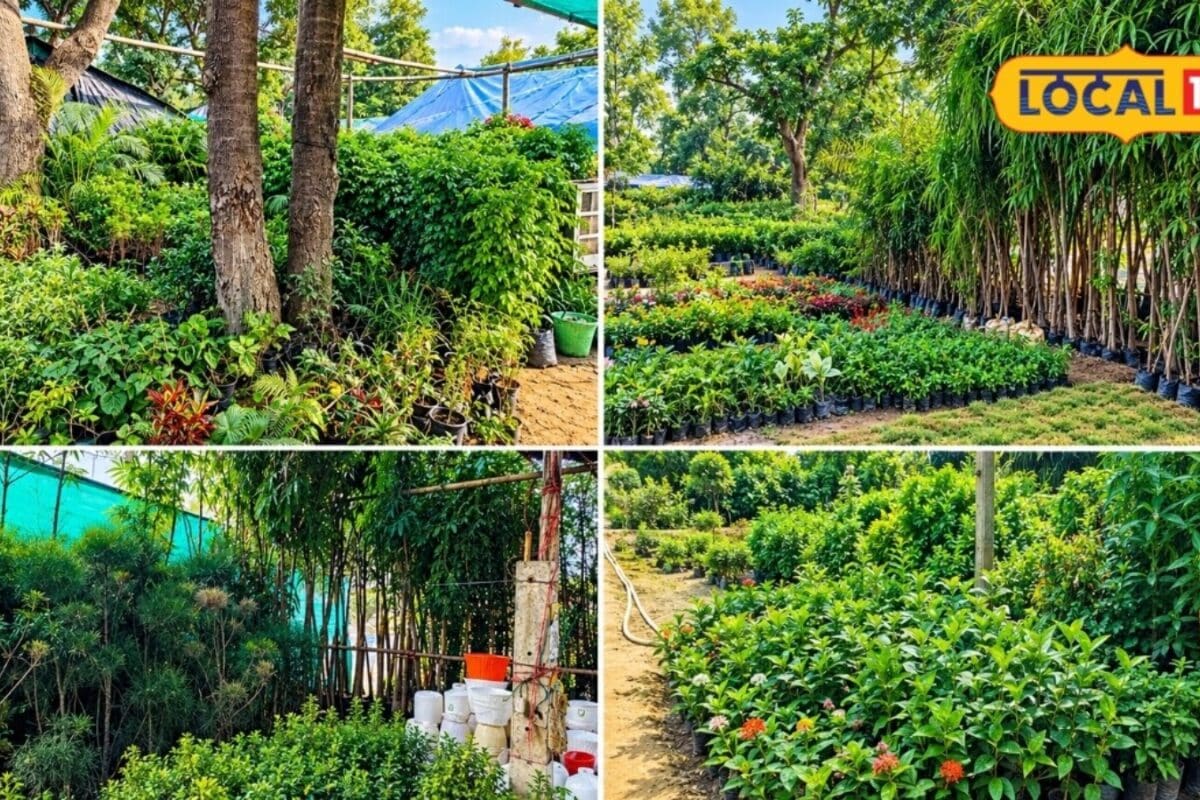
In recent times, the growing demand for plants in Nagaur has transformed the nursery business into a highly lucrative commercial opportunity for aspiring entrepreneurs. With an increasing emphasis on environmental aesthetics, domestic beautification, and agricultural expansion, the requirement for diverse plant varieties has witnessed a steady upward trajectory. Individuals seeking independent business ventures are increasingly turning towards horticulture as a viable and sustainable livelihood option.
The historical context of agricultural and horticultural trade in Nagaur highlights a traditional reliance on seasonal farming and localized plant propagation. Over the years, urbanization and modern architectural trends have significantly altered consumer preferences. Residential properties, commercial complexes, and public parks now routinely incorporate specialized landscaping, thereby expanding the traditional market boundaries beyond mere agricultural crops into ornamental and decorative flora.
Examining the ground realities and operational stakes reveals that establishing a successful plant nursery requires meticulous planning regarding land acquisition, water resources, soil quality, and climate management. While specific financial statistics and structured investments depend on the scale of the enterprise, commercial viability relies heavily on identifying high-demand plant species. These include ornamental varieties, shade-giving trees, flowering shrubs, and saplings utilized specifically for agricultural and landscaping purposes.
Local traders, agricultural experts, and environmental stakeholders consistently emphasize that market research is the foundational pillar of this enterprise. Community members venturing into this sector must evaluate the seasonal preferences of local buyers, corporate clients, and event organizers. Engagement with experienced nursery operators provides valuable insights into pest management, fertilization techniques, and the optimal timing for propagating specific plant species to maximize commercial yields.
The regional economic landscape of Nagaur and surrounding districts benefits substantially from the proliferation of green businesses. By fostering local horticulture, communities not only contribute to ecological preservation and urban greening but also generate localized employment opportunities. Small-scale nurseries act as vital supply hubs for surrounding rural and urban areas, bridging the gap between wholesale cultivators and retail consumers.
From an administrative and regulatory perspective, aspiring business owners must navigate standard municipal guidelines, land-use permissions, and horticultural standards. Local authorities and agricultural extension offices frequently provide guidance on sustainable farming practices, water conservation methods, and disease control protocols. Adhering to these established statutory frameworks ensures long-term operational stability and compliance with regional environmental policies.
Looking ahead, the outlook for the plant nursery sector in Nagaur remains exceptionally promising as public consciousness regarding environmental conservation and aesthetic landscaping continues to deepen. Entrepreneurs who meticulously address the five foundational operational requirements—ranging from site selection to inventory diversification—will be uniquely positioned to thrive. Public expectations and market trends indicate a sustained demand, ensuring that well-managed horticultural ventures will flourish in the coming years.
