
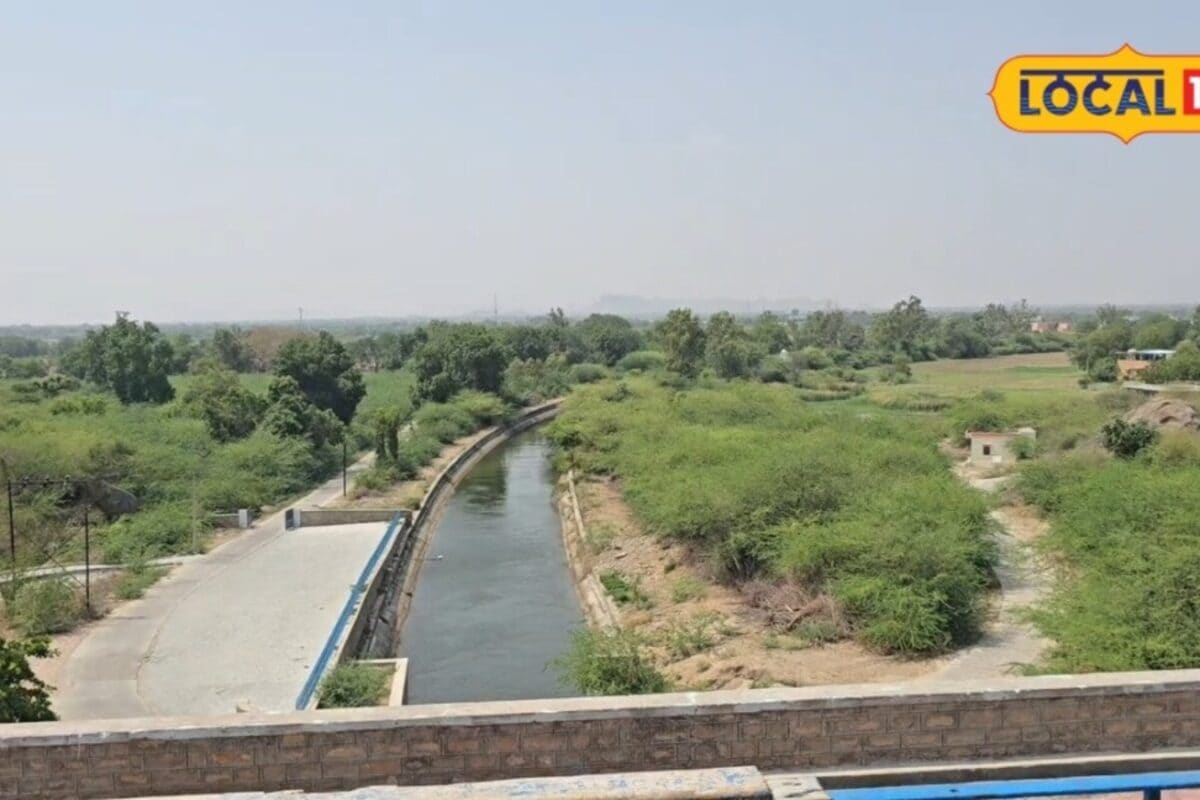
In a significant developmental push towards securing regional water resources, the Water Resources Department has initiated a comprehensive modernization project aimed at transforming the irrigation and water storage infrastructure in Pali district. The core objective of this strategic intervention is to permanently address the persistent issue of water leakage from aging distribution networks and to significantly bolster long-term water conservation efforts across the administrative territory. By upgrading the physical infrastructure of critical water bodies, the administration aims to ensure that every single drop of precious water is efficiently channeled and utilized for agricultural and domestic purposes.
For decades, farmers, local residents, and agricultural communities residing in the vicinity of these water storage networks have grappled with severe water scarcity challenges. The historical infrastructure, built years ago, had suffered from profound wear and tear, leading to massive seepage losses before the water could even reach the tail-end agricultural fields. These persistent leakages not only severely compromised agricultural productivity in the region but also depleted the groundwater recharge efficiency, creating an urgent imperative for systemic technological and physical intervention by the state authorities.
Addressing these long-standing infrastructural vulnerabilities head-on, the Water Resources Department has sanctioned an extensive financial outlay of approximately Rs 7.03 crore for the upcoming execution phase. This substantial budgetary allocation will be meticulously channeled into repairing, concreting, and structurally reinforcing the crumbling canal networks attached to the selected water bodies. Engineers and technical experts have mapped out the vulnerable stretches where maximum water loss occurs, ensuring that the sanctioned funds are utilized with utmost precision and financial prudence.
Local farming communities, agricultural cooperatives, and village councils have expressed immense optimism regarding the announcement of this ambitious preservation project. Representatives of local agrarian unions noted that plugging the persistent water leaks would dramatically increase the water availability quotient during critical sowing seasons. Agricultural stakeholders emphasized that reliable canal supply is the absolute backbone of the local economy, and this administrative measure directly addresses the primary grievances of rural households dependent entirely on seasonal canal irrigation.
While the direct geographical focus of the current infrastructure overhaul remains centered within Pali district, the broader regional implications resonate deeply across surrounding administrative zones, including Kotputli-Behror. Enhanced water management practices, successful conservation models, and improved irrigation efficiencies serve as a vital benchmark for rural development administrators throughout the broader region. The interconnected nature of regional water tables means that improved conservation in one critical district positively influences the macro-hydrological stability of neighboring territories.
Demonstrating strict adherence to statutory oversight and bureaucratic transparency, the Water Resources Department has established a rigorous framework for project implementation and ongoing monitoring. Specialized engineering committees have been constituted to supervise the construction quality, oversee material procurement, and ensure strict compliance with engineering timelines. Periodic audits and field inspections will be conducted to guarantee that the modernization works meet the highest technical standards mandated for public infrastructure projects.
Looking ahead, the successful completion of this modernization initiative is expected to usher in a new era of agricultural prosperity and ecological stability for Pali district. The designated timelines require the executing agencies to expedite the civil works, minimizing disruptions to ongoing agricultural cycles. As the concrete lining of the canals progresses and water seepage is successfully mitigated, local communities anticipate a transformative impact on both irrigation reliability and overall groundwater replenishment in the years to come.
