
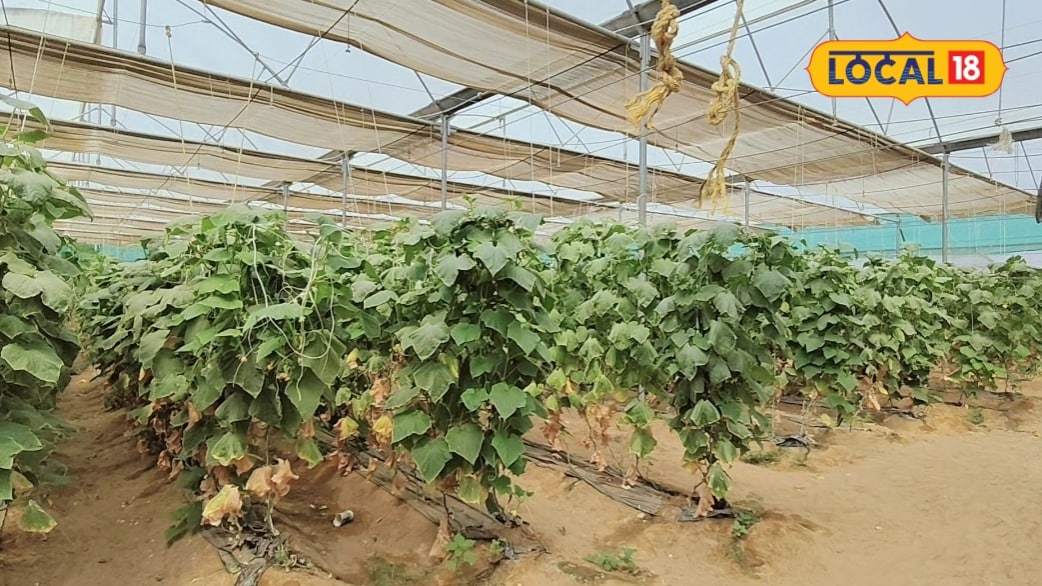
A severe crisis is unfolding in the agricultural landscape of Sikar district, where the cultivation area dedicated to off-season vegetables has experienced a dramatic reduction of sixty percent, dropping significantly down to seven to eight thousand hectares. This alarming downturn has triggered deep concerns among agricultural experts, local farmers, and market analysts alike, threatening the stable supply of essential green produce to regional markets.
The root causes of this sharp decline lie in a combination of unfavorable policy adjustments and escalating operational expenses for modern farming techniques. Over recent years, farmers have grappled with substantial reductions in government financial support, a rigid three-year restriction on receiving promotional assistance, and soaring market prices for essential protective farming materials such as greenhouses and plastic mulch.
Examining the ground reality reveals that the financial viability of producing specialized off-season crops has severely eroded. With the cumulative burden of increased input costs and diminished state backing, local cultivators find themselves unable to sustain their previous scale of operations, leading to widespread abandonment of specialized vegetable farming across the region.
Local farming representatives and agricultural market participants have voiced profound apprehension regarding these economic pressures. The steep escalation in overhead expenditures has effectively locked out small and marginal farmers, who previously relied on state-backed subsidies to offset the high capital requirements of protected cultivation technologies essential for off-season yields.
The repercussions of this agricultural contraction extend directly into regional markets, impacting household budgets and local commerce profoundly. Traders and consumers are already feeling the heavy pinch as market supplies tighten significantly due to the lowered domestic production output across Sikar district.
Reflecting this acute supply deficit, wholesale market data indicates that vegetable prices have climbed by seven to eight rupees per kilogram over just the past twenty days. Market analysts warn that this upward trajectory is far from stabilizing and that consumers must prepare for steeper price hikes in the coming weeks if corrective administrative interventions are not swiftly implemented.
Looking ahead, agricultural economists and farming associations are urging policymakers to re-evaluate current subsidy frameworks and ease restrictive grant conditions. Restoring adequate financial incentives and lowering input costs are deemed vital steps to revive farmer participation, stabilize regional vegetable supplies, and protect consumers from runaway food inflation.
