
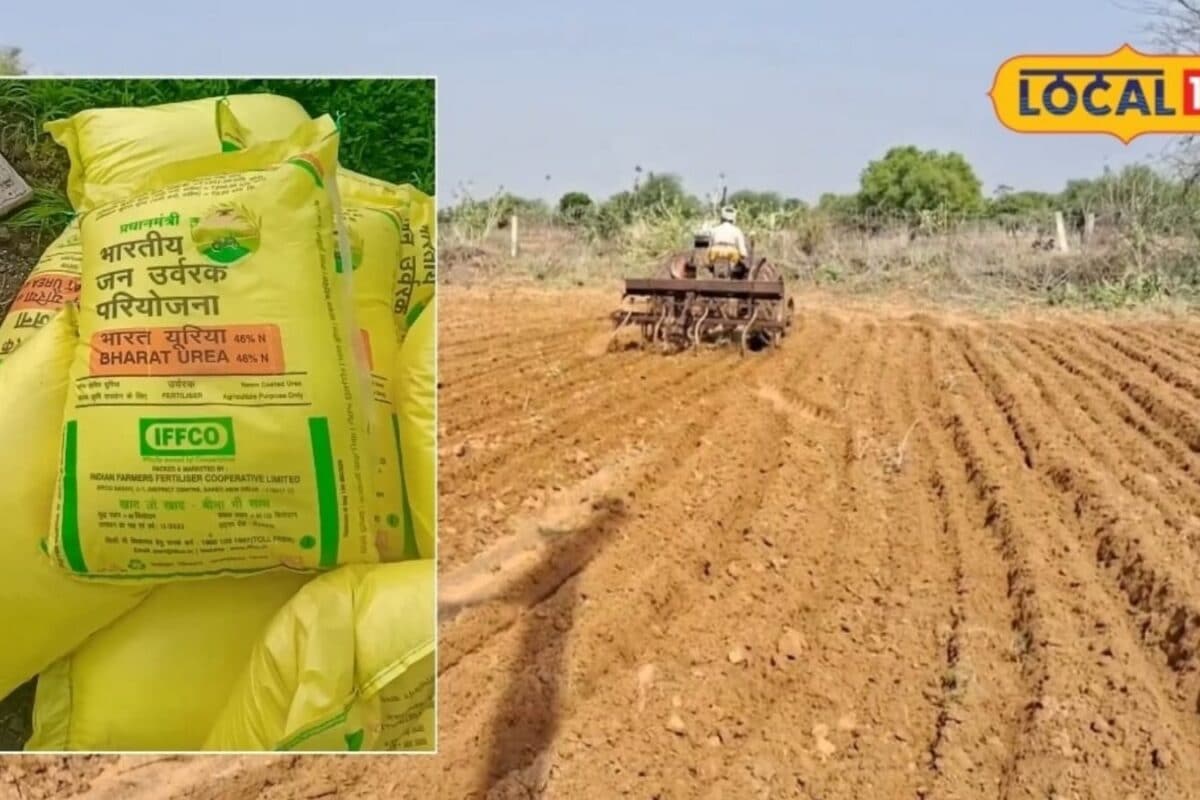
In a decisive move to eradicate rampant black marketing, artificial shortages, and long serpentine queues during the crucial Rabi agricultural season, the administration in Rajasthan has fundamentally overhauled the state fertilizer distribution system. Under the newly introduced Framework for Fertilizer Sales, commonly referred to as FFS, simple presentation of an Aadhaar card is no longer sufficient for farmers to acquire essential chemical fertilizers such as urea and diammonium phosphate from authorized distribution centers.
Historically, the distribution of subsidized agricultural inputs faced persistent systemic bottlenecks, unauthorized diversion of subsidized stocks to commercial sectors, and severe distress among genuine cultivators during peak sowing periods. Previous mechanisms relied heavily on basic identity verification, which failed to accurately correlate the actual fertilizer requirements of individual landholdings with the quantities being dispensed across various retail and cooperative outlets, leaving ample room for administrative leakages.
Addressing these long-standing operational vulnerabilities, the updated framework directly links fertilizer allocation to verifiable agricultural land records and the specific crops currently sown by the cultivator. Government subsidies on essential fertilizers will now strictly necessitate mandatory farmer registration and a distinct Farmer Identification number. When a farmer presents credentials at the point of sale, the operating machine will instantly display comprehensive land and crop ownership metrics.
Agricultural authorities and cooperative officials emphasize that this sophisticated technological integration is designed to ensure equitable distribution and absolute transparency across the supply chain. The integrated software intelligently computes exact fertilizer requirements based on documented farm sizes, crop patterns, and previously purchased quantities, effectively preventing hoarding and speculative stockpiling by unscrupulous intermediaries who previously exploited system loopholes.
At the regional level, particularly affecting farming communities across various districts of the state, this digital transformation marks a significant departure from legacy practices. Local farming households must adapt to the new digital verification protocols to secure their seasonal quotas without facing bureaucratic delays. Special administrative accommodations have also been meticulously formulated to resolve distribution complications involving sharecroppers, joint account holders, and legal heirs, ensuring that no genuine cultivator is disenfranchised.
To facilitate a smooth transition without causing immediate panic or operational paralysis in the agricultural sector, the government structured a staggered implementation timeline. The first phase of this rigorous distribution overhaul successfully commenced on November 20 across eighteen designated districts, establishing a robust testing ground for the software infrastructure and point-of-sale hardware integration.
Looking toward the broader administrative horizon, the second and final phase of the rollout is scheduled for November 25, extending the mandatory framework to the remaining twenty-three districts, including Sikar. Agricultural extension officers, cooperative societies, and district administration units are actively conducting awareness campaigns to educate local farming communities on completing their mandatory registrations before purchasing their upcoming Rabi fertilizer quotas.
