
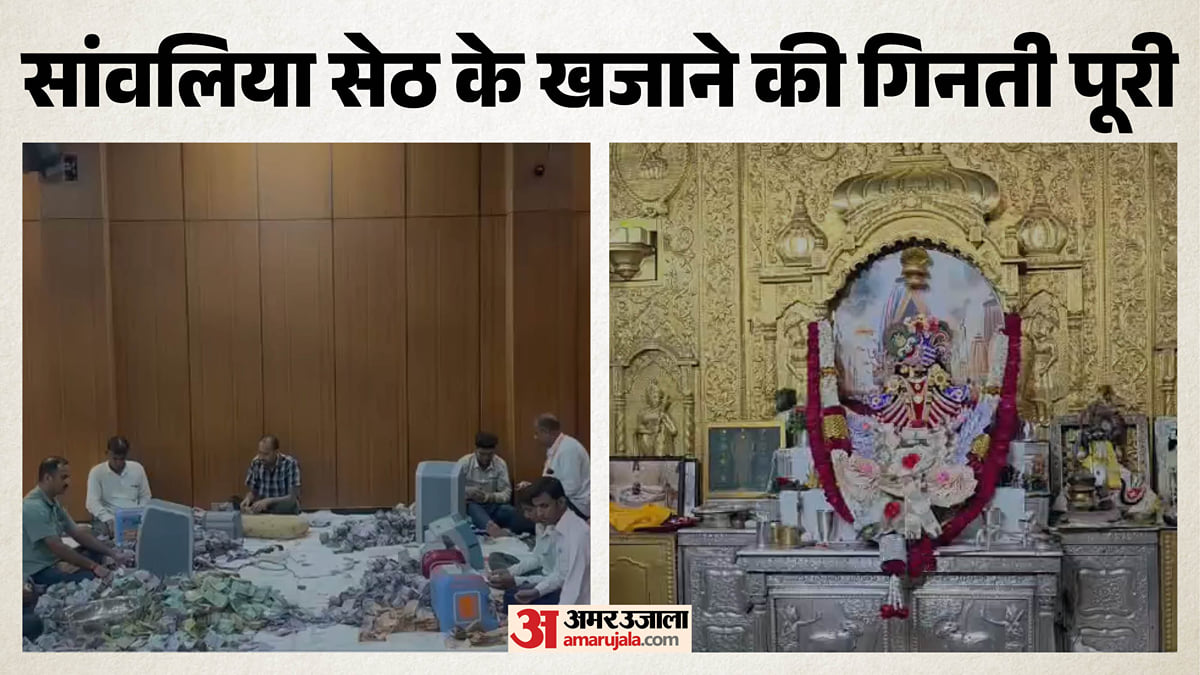
The fifth and final phase of counting for the donation boxes at the renowned Shri Sanwalia Ji Temple, located in the Chittorgarh district of Rajasthan, has officially concluded. This exhaustive administrative exercise has brought to light a staggering financial milestone, with total collections crossing the monumental figure of 31 crores. Temple authorities and administrative officials spent days meticulously executing the counting process to ensure total transparency and accuracy in documenting the offerings made by devotees.
Situated in the heart of Rajasthan, the Shri Sanwalia Ji Temple holds immense religious, spiritual, and cultural significance for millions of followers worldwide. Historically, this sacred shrine dedicated to Lord Krishna has witnessed unwavering devotion, with pilgrims traveling from distant corners of the country to offer their prayers and material wealth. The traditional practice of depositing cash, gold, and silver into the temple treasury reflects the deep-rooted faith and reverence that the community holds for the deity.
The current round of counting, specifically categorized as the fifth and final phase, involved rigorous logistical coordination under strict surveillance. Official records and disclosures confirm that the total realization has reached 31 crores, alongside immense quantities of precious metals including gold and silver. The sheer volume of the offerings necessitated specialized security arrangements and the deployment of extensive manpower to manage the treasury assets safely and efficiently.
Representatives, temple trustees, and local administrators actively supervised the entire counting operation, ensuring that every single offering was properly cataloged, weighed, and documented. Observers and community leaders have expressed immense awe at the sheer magnitude of the contributions, noting that the monetary influx mirrors the expanding footprint of devotion and patronage associated with the holy shrine over successive administrative cycles.
While the primary center of activity remains centered in Chittorgarh, the economic ripples of this monumental collection extend far across various districts of Rajasthan, including the administrative jurisdiction of Kotputli-Behror. Local trade, tourism, and hospitality sectors frequently experience indirect revitalization due to the continuous influx of pilgrims traveling to and from the sacred destination, thereby fostering regional economic interconnectedness.
The administration has consistently maintained a policy of stringent accountability regarding the management of temple funds. Standard operating procedures dictate that all proceeds retrieved from the treasury boxes are systematically deposited into authorized institutional accounts and earmarked for developmental projects, charitable endeavors, and infrastructural upgrades aimed at improving pilgrim facilities.
Looking forward, the conclusion of this fifth and final phase marks the stabilization of the current financial audit cycle for the shrine. Temple authorities are expected to release detailed annual reports and outline future welfare initiatives funded by these collections, assuring the devotee community that their generous contributions will be utilized effectively for societal betterment and structural maintenance of the sacred premises.
