
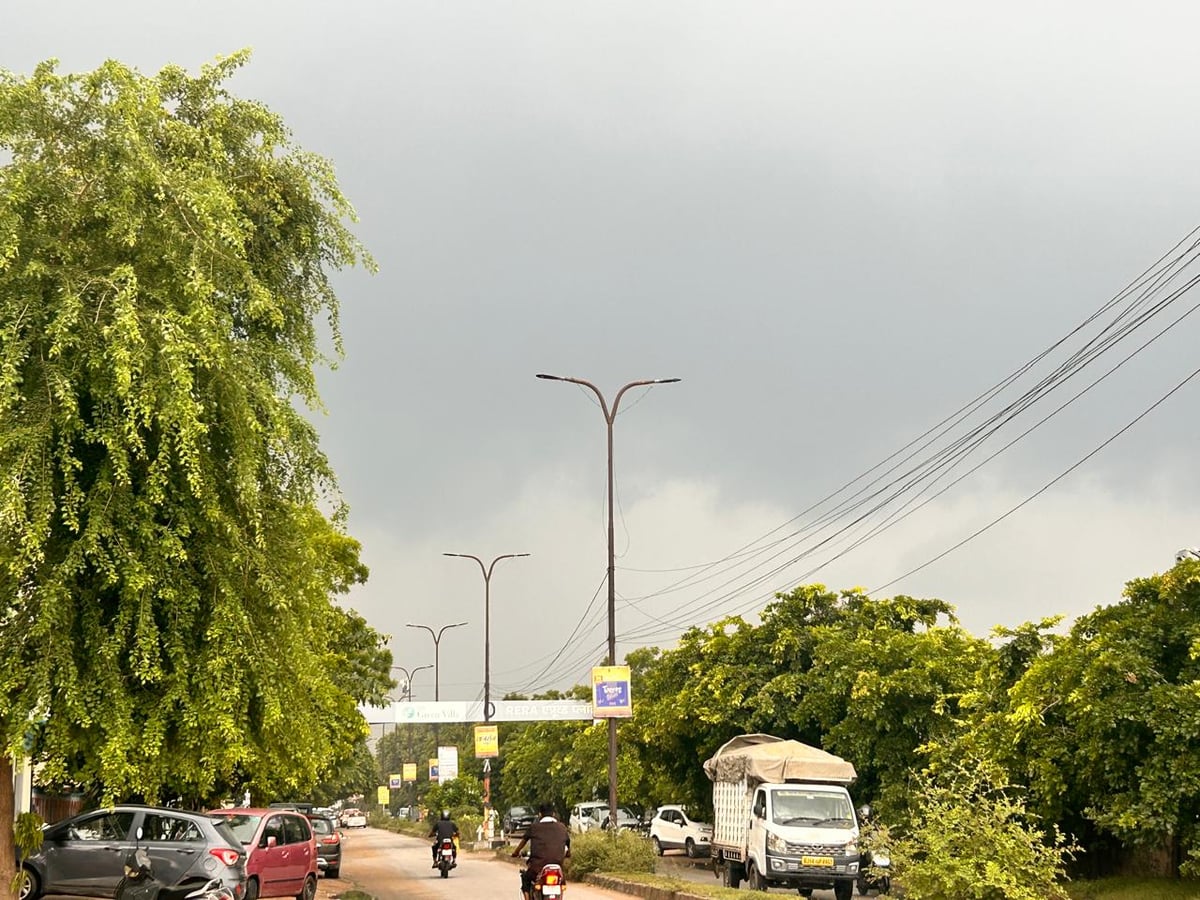
The state of Rajasthan is witnessing a stark meteorological contrast, as different regions experience contrasting atmospheric conditions ranging from sudden dust storms to soaring temperatures. According to meteorological observations, the weather across the state on Saturday presents a multi-faceted challenge for residents, agricultural sectors, and local administrators alike, as rapid climate fluctuations disrupt daily routines.
Historically, transitioning weather patterns during this period of the year in Rajasthan have frequently brought unpredictable conditions, setting the stage for sudden atmospheric instability. Meteorological experts note that varying geographical topographies across the desert state inherently contribute to localized weather anomalies, creating sharp divides between western arid zones and eastern semi-arid territories.
Ground reports indicate that while several areas brace for cooling showers and disruptive winds, the western frontier district of Jaisalmer is grappling with intense heat, where the mercury has touched the significant threshold of 41 degrees Celsius. This elevated temperature presents immediate concerns regarding hydration, heat-related health issues, and increased energy consumption as communities adapt to the searing environment.
Local citizens, daily wage earners, and regional traders have expressed concerns over the sudden shifts in weather, noting that the alternating spells of gusty winds and blistering heat complicate outdoor activities, agricultural logistics, and small businesses. Community members emphasize the necessity of adequate preparedness, particularly for vulnerable populations exposed to the elements during peak afternoon hours.
In districts such as Jaipur and surrounding administrative zones, the forecast of impending dust storms and light precipitation has prompted heightened alertness among local residents and municipal departments. The possibility of sudden squalls necessitates precautionary measures regarding vehicular movement, temporary structures, and urban utility management to prevent localized disruptions.
Administrative authorities across the affected districts remain on standby to address any emergencies arising from inclement weather, ensuring that civic amenities, power grids, and emergency response teams are adequately prepared. Officials continue to issue timely advisories, urging citizens to stay informed about real-time weather updates and to exercise caution during high-wind intervals.
Looking forward, meteorological forecasts suggest that these transient weather conditions will persist through the weekend, requiring continued vigilance from both the public and local governance bodies. As the state navigates this meteorological phase, community resilience and responsive administrative planning remain paramount in mitigating any adverse impacts of Rajasthan's volatile weather.
