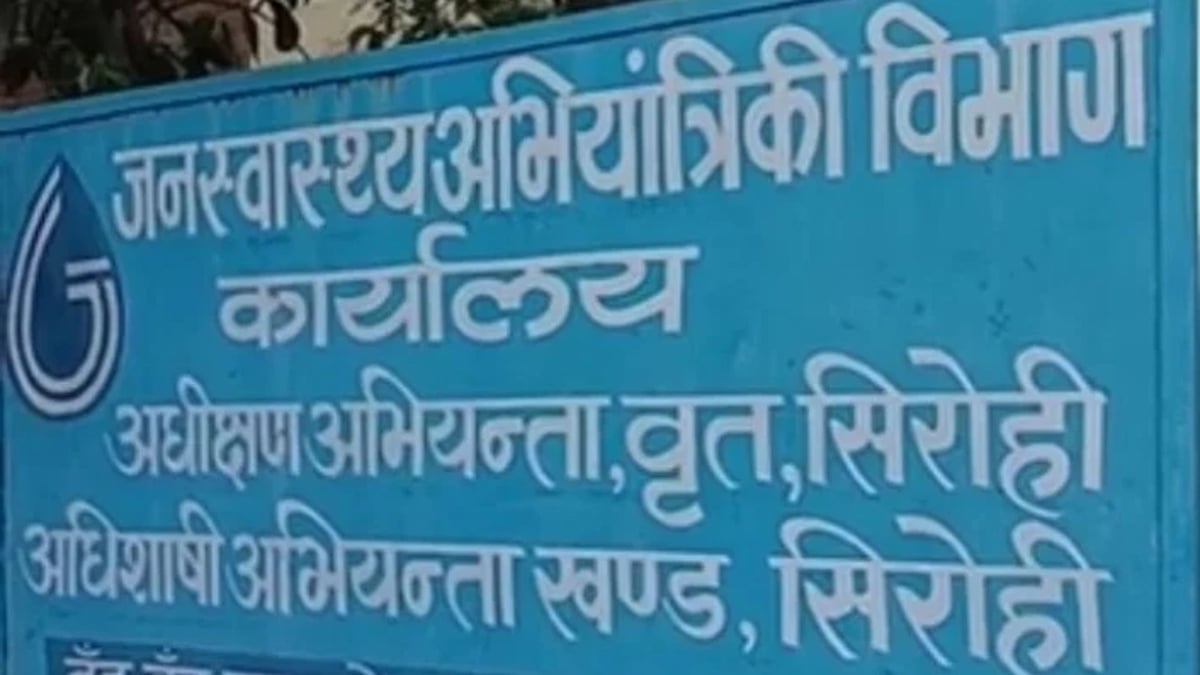
A severe and unprecedented drinking water crisis has officially gripped Sirohi city, stemming directly from a notably weak monsoon season and the alarming depletion of water reserves in the vital Angor Dam. As natural water bodies dry up across the region, civic and municipal authorities have been forced to contemplate and implement drastic measures to sustain basic civic life in the affected urban settlements. The unfolding situation highlights the vulnerability of regional water supply networks to erratic weather patterns and prolonged dry spells.
Historically, the Angor Dam has served as the primary and most reliable lifeline for meeting the daily water demands of the entire Sirohi city population. However, deficient rainfall during the preceding monsoon cycles failed to sufficiently recharge the reservoir, resulting in water levels plummeting to absolute dead storage. Without adequate natural replenishment or supplementary feeder channels, the reservoir's capacity has proven entirely insufficient to sustain continuous, uninterrupted daily urban distribution, triggering widespread alarm among municipal planners.
Faced with the stark reality of fast-depleting reserves, the concerned water supply department has meticulously prepared an emergency proposal that drastically alters the distribution schedule. Effective from October 15, 2026, the municipal framework will shift to a strict rationing schedule, mandating that drinking water be supplied to households only once every 72 hours. This substantial reduction in supply frequency underscores the sheer magnitude of the scarcity, necessitating rigorous conservation and tightly monitored distribution protocols across all municipal wards.
Local stakeholders, community representatives, and residents have expressed profound concern over the impending 72-hour rationing schedule, noting the severe operational and domestic challenges such a gap introduces to daily routines. Households are already scrambling to inspect underground storage tanks, repair domestic storage infrastructure, and procure private water tankers wherever feasible to mitigate the anticipated shortfall. Commercial establishments, educational institutions, and hospitality sector operators in Sirohi are similarly bracing for significant disruptions as they evaluate their reliance on the municipal grid.
While the immediate epicentre of this crisis remains Sirohi city and the Angor Dam catchment, the ripple effects of such severe water stress resonate deeply throughout the wider region, serving as a grim reminder of ecological fragility. Communities across the district are increasingly recognizing the urgent imperative to adopt long-term water conservation strategies, rainwater harvesting, and watershed management. The economic vitality of local markets and small businesses is closely tied to the availability of steady utilities, making the resolution of this crisis a matter of urgent regional priority.
In response to the mounting crisis, the municipal administration and public health engineering department officials are finalizing logistical frameworks to ensure equitable distribution under the new 72-hour schedule. Special vigilance teams are being constituted to monitor unauthorized tapping of pipelines, check leakage points, and penalize wasteful usage of potable water during supply windows. Authorities maintain that these stringent regulatory interventions are indispensable to stretch the remaining reserves of the Angor Dam as far as possible through the dry months.
Looking ahead, the upcoming implementation date of October 15, 2026, marks a critical turning point for municipal water governance in Sirohi city. Public expectations remain centered on the hope for unseasonal precipitation or alternative inter-basin water transfers that might alleviate the pressure on the Angor Dam reservoir. Until such relief materializes, the citizenry and administrative machinery must navigate this stringent 72-hour rationing regime collaboratively to avert a total collapse of urban water security.