
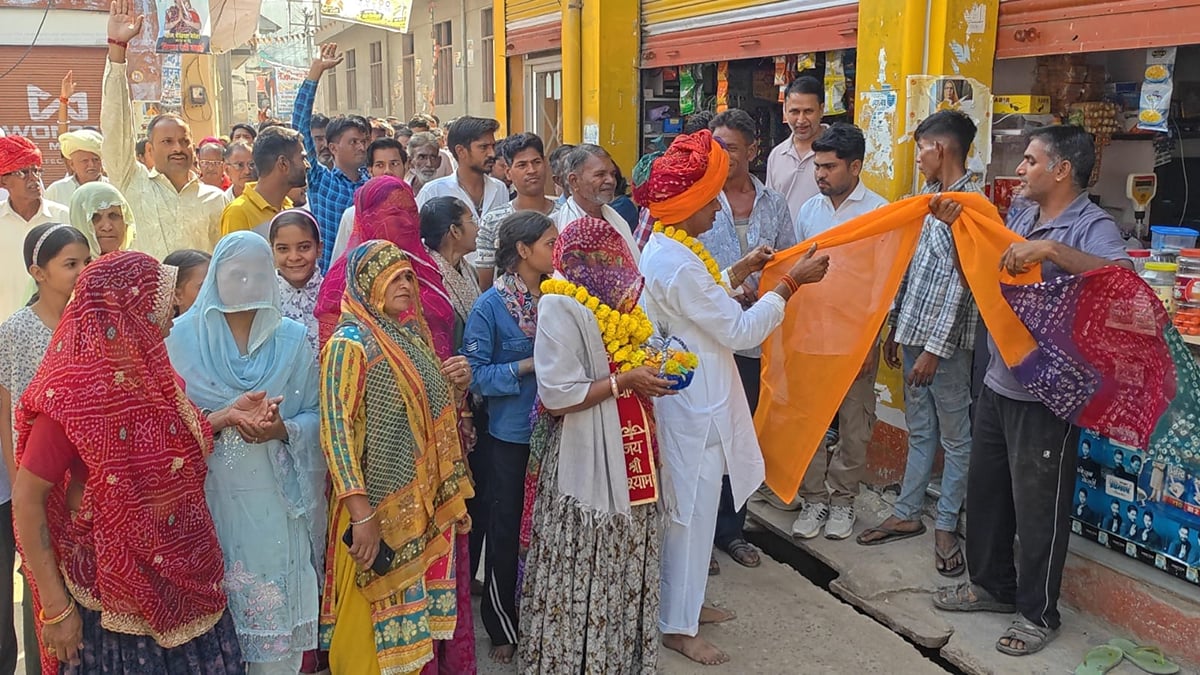
Electoral activities have reached a critical juncture in the region as the administrative machinery finalizes preparations for the upcoming local body elections. A comprehensive review of the electoral landscape reveals intense competition for grassroots leadership roles across the district. Citizens and local observers are closely monitoring developments as political equations shift daily in the run-up to the polling dates.
Historically, rural local governance elections in this region have always witnessed high voter turnout and enthusiastic community participation. The office of the Sarpanch holds immense administrative and developmental significance for every village, acting as the primary bridge between rural communities and governmental welfare schemes. Past electoral cycles have consistently demonstrated how deeply invested local populations are in choosing their immediate village leadership.
Recent administrative filings confirm that a total of 22 Gram Panchayats are currently undergoing rigorous electoral contests. Within these designated jurisdictions, a significant total of 165 candidates have officially entered the electoral fray, reflecting a robust democratic engagement among aspiring local leaders. Election officials have meticulously scrutinized all nomination papers to ensure strict compliance with statutory guidelines and eligibility criteria.
Among the notable highlights of the current electoral battleground, the Ajgara Gram Panchayat has recorded the highest level of political competition. Specifically, Ajgara features a remarkable tally of 16 candidates vying for the single coveted position of Sarpanch, making it a multi-cornered contest requiring extensive campaigning. Conversely, the electoral scenario in Devgaon presents a starkly different picture, characterized by a straightforward direct matchup between two primary contenders.
The broader socioeconomic and administrative implications of these grassroots elections extend deeply into regional development and community welfare. Local traders, farmers, and daily wage earners frequently discuss the potential impacts of upcoming leadership changes on local infrastructure projects, sanitation initiatives, and agricultural support programs. The outcome in each of the 22 Panchayats will decisively shape public service delivery for the foreseeable term.
District election authorities and local law enforcement agencies have initiated stringent security measures to maintain public order throughout the campaign and polling phases. Enhanced patrolling, sensitive polling booth identification, and strict adherence to the model code of conduct are currently being enforced by designated administrative teams. Officials have reiterated their commitment to upholding absolute neutrality and ensuring a fair electoral environment for every participant.
As the campaign timeline progresses toward its final phase, candidates are intensifying their door-to-door outreach to sway undecided voters. Public meetings, community dialogues, and manifesto presentations have become commonplace across the 22 participating villages. Local residents await the final polling day with great anticipation, expecting a peaceful exercise of their democratic franchise and the establishment of responsive local governance.
