
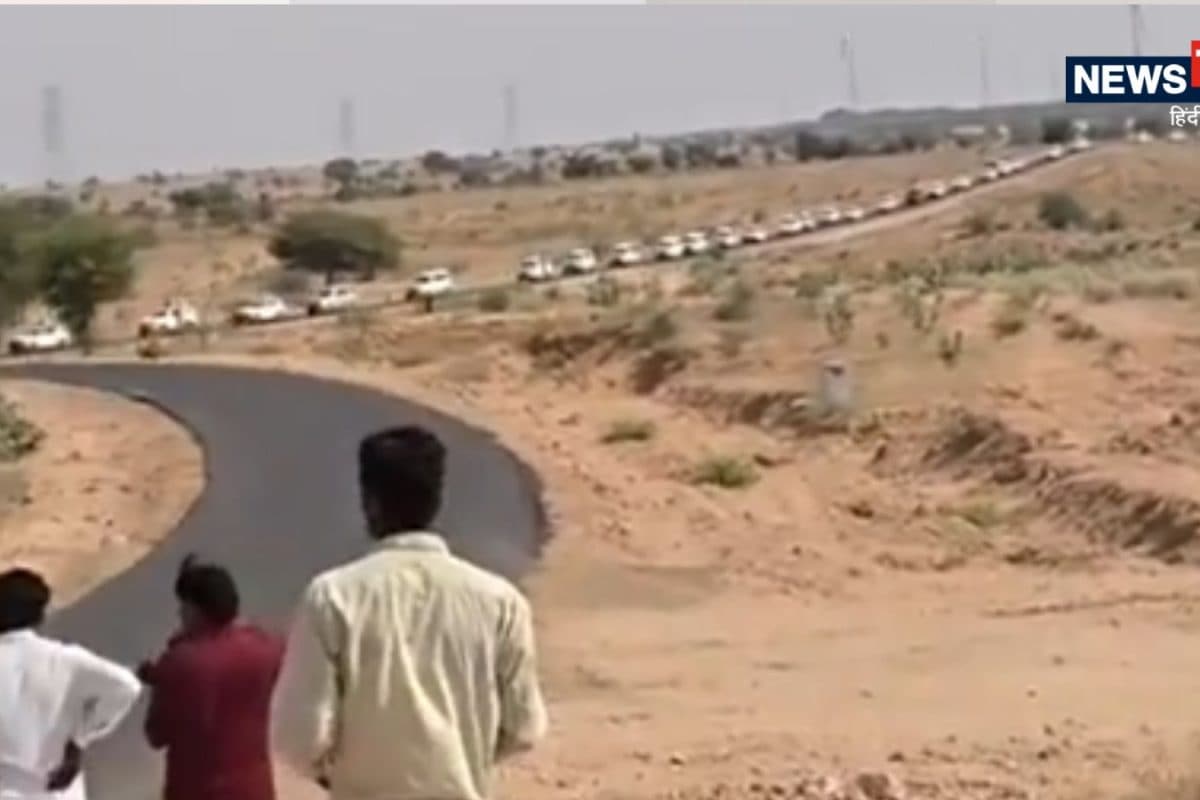
In the midst of the high-stakes rural local body elections across Rajasthan in October 2026, a striking visual spectacle has captured the immense attention of voters and political analysts alike. A video capturing an extraordinarily massive vehicle convoy supporting sarpanch candidate Fateh Khan has gone viral across various social media platforms. The unprecedented scale of the procession has astonished onlookers, with many citizens openly remarking that the scale of the logistical deployment resembles the entourage of a senior cabinet minister or a state legislator rather than a local village representative.
The current electoral cycle in October 2026 marks a crucial phase for rural governance in Rajasthan, as communities actively prepare to elect their local leadership at the village panchayat level. Panchayat elections have historically been characterized by intense local rivalries, community mobilization, and vibrant grassroots campaigns. However, the sheer visibility and digital footprint achieved during the ongoing campaign by candidates like Fateh Khan highlight an evolving shift in how rural elections are contested and publicized in the contemporary political landscape.
As campaign activities intensify across the state, the ground reality of rural campaigning involves extensive networking, public gatherings, and strategic roadshows. The viral footage originating from Fateh Khan's campaign highlights the massive mobilization of supporters, vehicles, and logistical resources deployed to display political strength. Such high-visibility processions serve not only as a physical demonstration of grassroots backing but also as a psychological strategy to influence undecided voters and establish dominance within the local constituency.
Political observers, local residents, and community elders have expressed varied perspectives regarding the escalating scale of expenditure and resource display in grassroots elections. While supporters view the massive convoy as a legitimate and enthusiastic expression of popular backing for Fateh Khan, critics and civic groups often debate the implications of heavy resource mobilization on the fairness and accessibility of local democratic processes for candidates with modest financial means.
The resonance of this electoral event extends beyond immediate village boundaries, particularly impacting regional discussions within districts such as Kotputli-Behror. The local economy and daily commercial activities often experience a temporary surge during peak campaign periods due to increased vehicular movement, fuel consumption, and localized gatherings. Citizens across communities are closely monitoring how these high-profile campaigns will translate into actual electoral outcomes at the ballot box.
Local administrative authorities and election monitoring bodies operating within Rajasthan maintain strict oversight to ensure adherence to the Model Code of Conduct and expenditure limits prescribed for panchayat elections. District officials routinely review campaign expenditures, vehicle permits, and public gathering permissions to maintain a level playing field among all contesting candidates, ensuring that the democratic exercise remains transparent and orderly.
As the election schedule progresses toward the final phases of polling and subsequent vote counting in October 2026, public expectations remain high regarding governance, rural development, and transparent administration. The ultimate decision now rests entirely with the electorate, who will evaluate the competing visions, grassroots connect, and leadership capabilities of candidates like Fateh Khan before casting their votes.
