
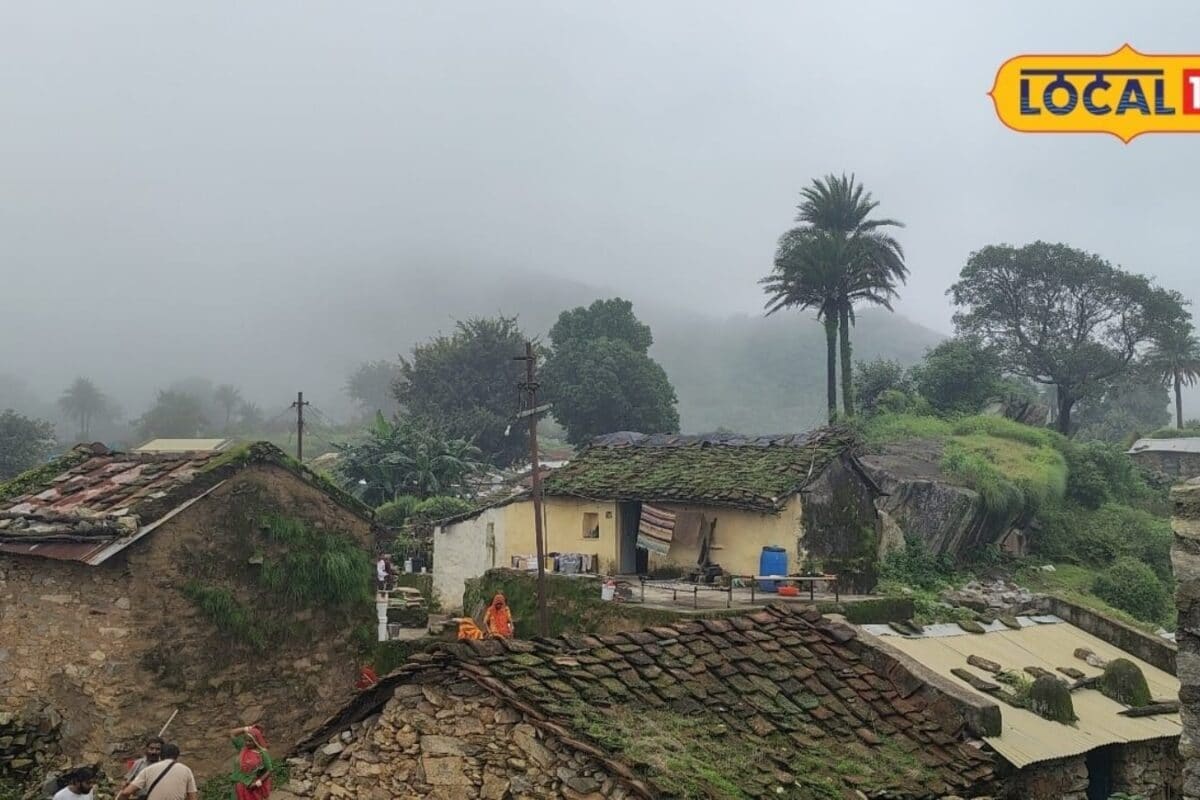
Nestled deep within the majestic and rugged terrain of the Aravalli mountain range in Rajasthan, the remote settlement known as Utaraj village continues to present a stark paradox of breathtaking natural isolation and severe developmental deprivation. Situated at an impressive elevation of approximately 1400 to 1500 meters above sea level, this pristine locality remains completely cut off from the modern world due to the absolute absence of motorable roads and reliable mobile network infrastructure. Yet, paradoxically, these very geographical extremities and lack of urban intrusion have transformed the settlement into an unexpected sanctuary for adventurous travelers and nature enthusiasts seeking an unadulterated escape into the wilderness.
The historical and geographical context of Utaraj village is deeply intertwined with the challenging topography of the region, where human habitation has adapted to extreme environmental conditions over generations. Located in the Sirohi district, the region's geographical isolation has shielded it from rapid commercialization, preserving dense forests, pristine streams, and a fragile mountain ecosystem. Historically, communities settled in these high-altitude terrains relied exclusively on self-sustaining indigenous practices to survive the harsh winters, rugged terrain, and complete detachment from neighboring urban centers, creating a unique socio-cultural micro-climate within the Aravalli ranges.
Examining the ground reality of Utaraj village reveals a community of approximately 40 to 60 families whose entire economic framework depends squarely on traditional subsistence agriculture and livestock rearing. Because there are no roads connecting the settlement to the plains, reaching the village requires embarking on a grueling 5-kilometer mountainous footpath trek originating from Gurushikhar. During the monsoon season, this journey transforms into an ethereal landscape characterized by dense fog, lush greenery, and cascading seasonal waterfalls, presenting a paradise-like scenery that captivates every visitor who makes the arduous trek.
Despite the romanticized appeal of untouched wilderness for outsiders, the lack of infrastructure places immense logistical and humanitarian strains on the local populace. The daily livelihood struggles of the villagers are heavily compounded by the total absence of vehicular connectivity, which renders emergency medical evacuations nearly impossible during severe health crises. Residents must manually transport patients or pregnant women across the difficult five-kilometer mountain trail to Gurushikhar just to access basic medical attention, highlighting the profound disparity between tourist fascination and local destitution.
The broader regional impact of Utaraj village extends into discussions regarding sustainable tourism, rural development, and the socio-economic welfare of remote communities across the Kotputli-Behror district and the wider Rajasthan state. While tourism brings occasional attention and seasonal footfall, it fails to translate into sustained economic prosperity or infrastructural upgrading for the indigenous families who inhabit the slopes. Policymakers and regional planners face a complex dilemma regarding how to introduce essential connectivity without destroying the pristine ecological balance that currently draws visitors to the high-altitude settlement.
Administrative oversight and governmental interventions remain critically urgent for addressing the structural deficits plaguing Utaraj village and similar remote hamlets across the Aravalli range. Local authorities have periodically evaluated the logistical challenges of extending basic infrastructural welfare, such as solar-powered communication towers and walkable all-weather pathways, to remote habitations situated above 1400 meters. However, executing large-scale civil engineering projects in ecologically sensitive zones requires rigorous environmental clearances and meticulous planning to avoid disrupting the local flora and fauna.
Looking toward the forward outlook, community elders, civil society advocates, and public administrators are actively debating timelines and regulatory procedures to balance environmental preservation with human rights and developmental necessities. The expectations of the 40 to 60 resident families center around obtaining sustainable relief, particularly concerning emergency healthcare access, educational continuity for children, and reliable communication links with the outside world. Ultimately, resolving the plight of Utaraj village will depend on innovative, eco-sensitive developmental policies that respect the sanctity of the Aravalli mountains while upholding the dignity and safety of its permanent inhabitants.