
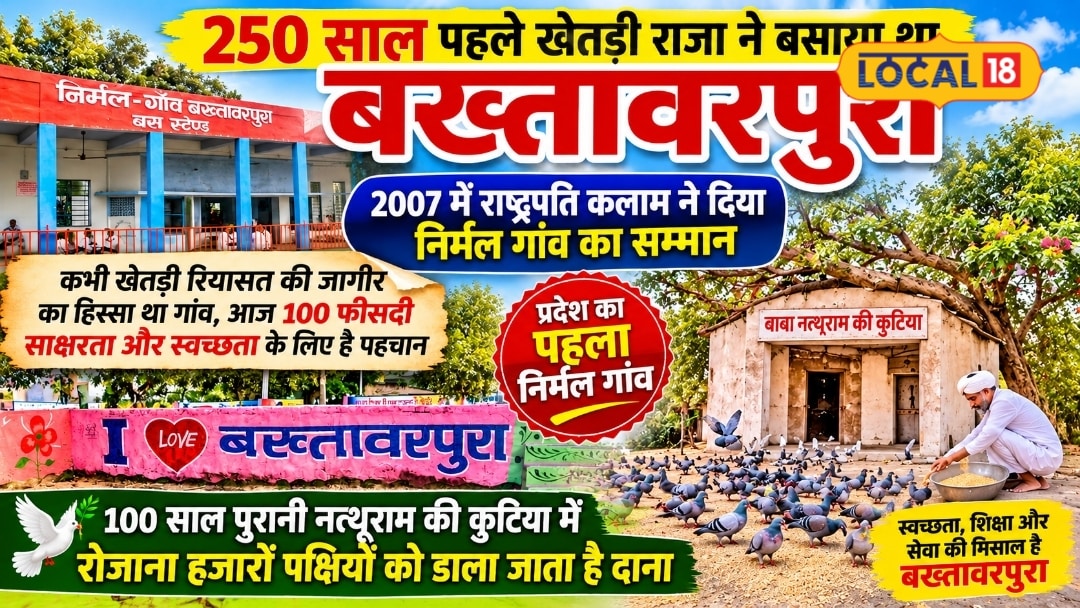
In the expansive and culturally rich terrain of Jhunjhunu district, the historic village of Bakhtawarpura stands out as a remarkable symbol of progressive rural development, exceptional civic discipline, and enduring cultural heritage. Established approximately 250 years ago, this settlement has steadily evolved through generations while strictly preserving its core ethical values, social harmony, and environmental consciousness. The geographical identity of this region has transcended ordinary rural boundaries, earning statewide and national acclaim for its extraordinary developmental milestones and unyielding commitment to societal betterment.
The historical trajectory of Bakhtawarpura took a transformative turn through sustained community-driven initiatives focused on cleanliness, education, and moral duty. Decades of collective perseverance culminated in a historic milestone when the village was officially designated as Rajasthan's first Nirmal village in the year 2007. This monumental achievement placed the rural settlement on the national map, drawing widespread admiration from governance experts, environmentalists, and policymakers alike for establishing unprecedented benchmarks in rural sanitation and public hygiene.
Recognizing the profound impact of these exemplary community achievements, former President of India and visionary scientist, the late Dr. A.P.J. Abdul Kalam, personally honored the village. This presidential recognition served as a glowing testament to the progressive spirit, collective discipline, and unwavering determination of the local populace. The felicitation not only validated the rigorous developmental framework adopted by the villagers but also inspired neighboring regions to emulate their successful models of grassroots governance and cleanliness.
A cornerstone of Bakhtawarpura's exceptional societal profile is its remarkable achievement of cent percent literacy. Through relentless emphasis on universal education, every resident within the community has been empowered with foundational learning and intellectual capability. This educational triumph has fostered an enlightened citizenry capable of engaging meaningfully with modern socio-economic challenges while maintaining deep-rooted respect for traditional wisdom and moral integrity.
Beyond intellectual and infrastructural milestones, the soul of Bakhtawarpura is profoundly defined by its remarkable ecological stewardship and compassion for living creatures. The community proudly maintains a deeply ingrained, century-old tradition dedicated to the welfare of avian life. Every single day without exception, residents gather to feed thousands of birds, reflecting a profound philosophical ethos of coexistence and universal empathy that has been lovingly preserved across generations.
The administrative framework and local leadership of Jhunjhunu district frequently cite Bakhtawarpura as an exemplary model of integrated rural progression. Government functionaries and civic bodies study the governance patterns of this settlement to understand how traditional community values can seamlessly merge with modern developmental mandates. The meticulous upkeep of public infrastructure and sanitation standards continues to receive active statutory oversight and encouragement from regional authorities.
Looking toward the future, the residents of Bakhtawarpura remain firmly committed to preserving their rich legacy while embracing contemporary opportunities for sustainable growth. Public expectations are exceptionally high, with community leaders and youth pledging to safeguard their historical achievements in education, cleanliness, and ecological conservation. As this 250-year-old village marches forward into a promising future, it continues to serve as an inspiring lighthouse of hope, unity, and timeless human values for the entire nation.
