
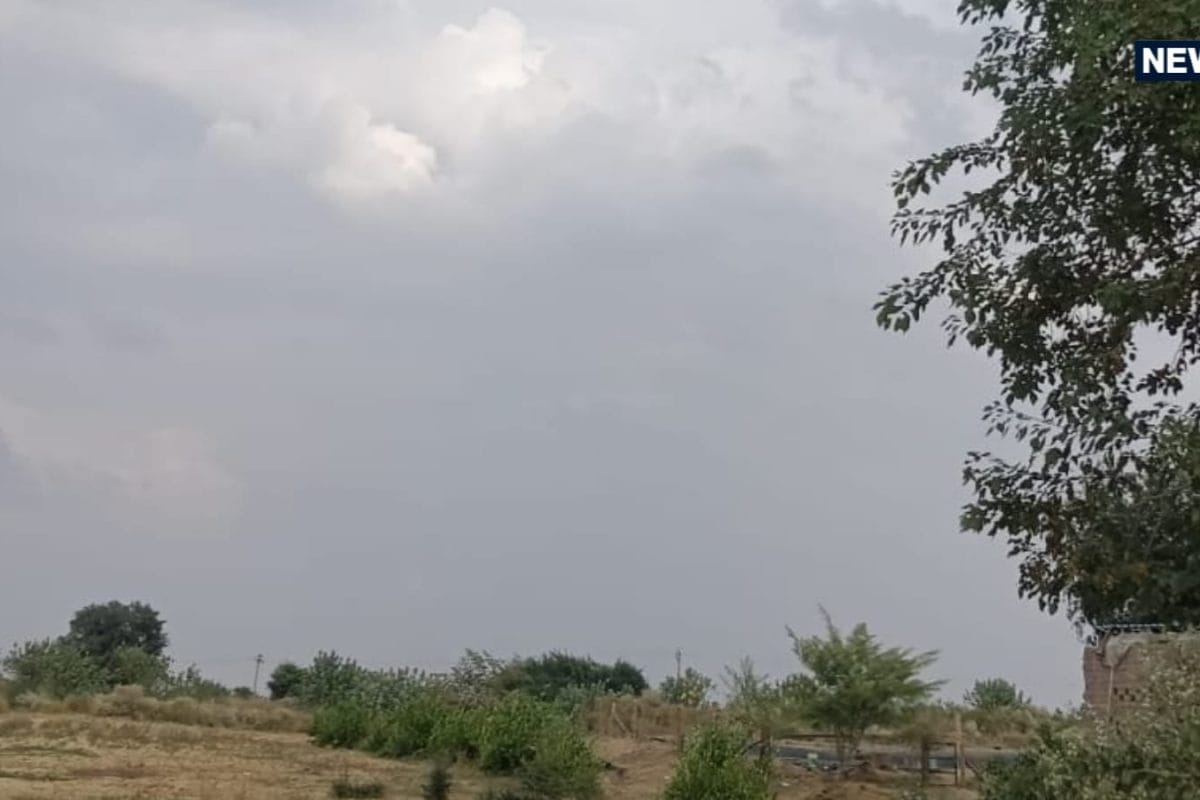
Winter has officially intensified its grip across the state of Rajasthan, with meteorological charts indicating a sharp downward trend in minimum temperatures. Citizens across various districts have experienced a distinct transition from pleasant autumn conditions to crisp, chilly mornings and late evenings. The sudden drop in temperature marks the formal onset of the winter season, prompting residents to unpack warm clothing and alter their daily outdoor schedules.
According to comprehensive data released by the meteorological department, the overarching climatic pattern across Rajasthan is currently transitioning under the influence of prevailing atmospheric phenomena. Despite the presence and subtle effects of western disturbances in the broader geographical expanse, atmospheric conditions remain notably devoid of moisture. Consequently, meteorological analysts have confirmed that the upper-level dynamics will not translate into precipitation or localized storm activity during this phase.
Delving into the specific regional statistics recorded across the state, the chilling effect is distinctly localized in specific pockets. Mount Abu recorded the lowest minimum temperature in the entire state at 6.4 degrees Celsius, establishing itself as the coldest retreat. Following closely, Fatehpur and Sikar registered minimum temperatures of 8.1 degrees Celsius and 8.5 degrees Celsius respectively, bringing the mercury comfortably below the crucial 10 degrees Celsius threshold. Conversely, Barmer emerged as the warmest location in the state, recording a daytime maximum temperature of 30.8 degrees Celsius.
Local agricultural communities, daily commuters, and trade stakeholders are closely observing these temperature shifts as they prepare for the peak winter months. Farmers in the Sikar and Fatehpur belts note that the early morning chill is beneficial for specific Rabi crop sowings, although sudden cold snaps require vigilant crop management. Local merchants dealing in woolen garments and seasonal heating appliances report an uptick in early consumer demand, reflecting the tangible shift in the local economy.
Within the Kotputli-Behror district and surrounding semi-arid tracts, the meteorological transition manifests as warm, sunny afternoons accompanied by rapidly dropping temperatures immediately after sunset. This daily thermal amplitude requires residents to remain cautious regarding seasonal health fluctuations, particularly among children and the elderly. Local community leaders emphasize the necessity of public health advisories to prevent respiratory ailments as the winter deepens.
Administrative bodies and local municipal authorities are maintaining active oversight of weather developments through regular updates from regional meteorological centers. While no weather-related adversities or emergency alerts have been necessitated for the upcoming week, civic departments are reviewing public infrastructure requirements, night-shelter readiness, and healthcare preparedness to assist vulnerable populations as winter progresses.
Looking ahead, the meteorological department has officially forecasted that weather conditions will remain entirely dry and stable from November 23 to 28 across all districts of Rajasthan. The department's extended outlook indicates no probability of rain, sudden squalls, or high-speed winds for the duration of this period. Daytime sunshine will ensure that ambient temperatures remain normal and comfortable, while morning and night hours will continue to experience heightened cold intensity without any major structural shifts in regional weather patterns.
