
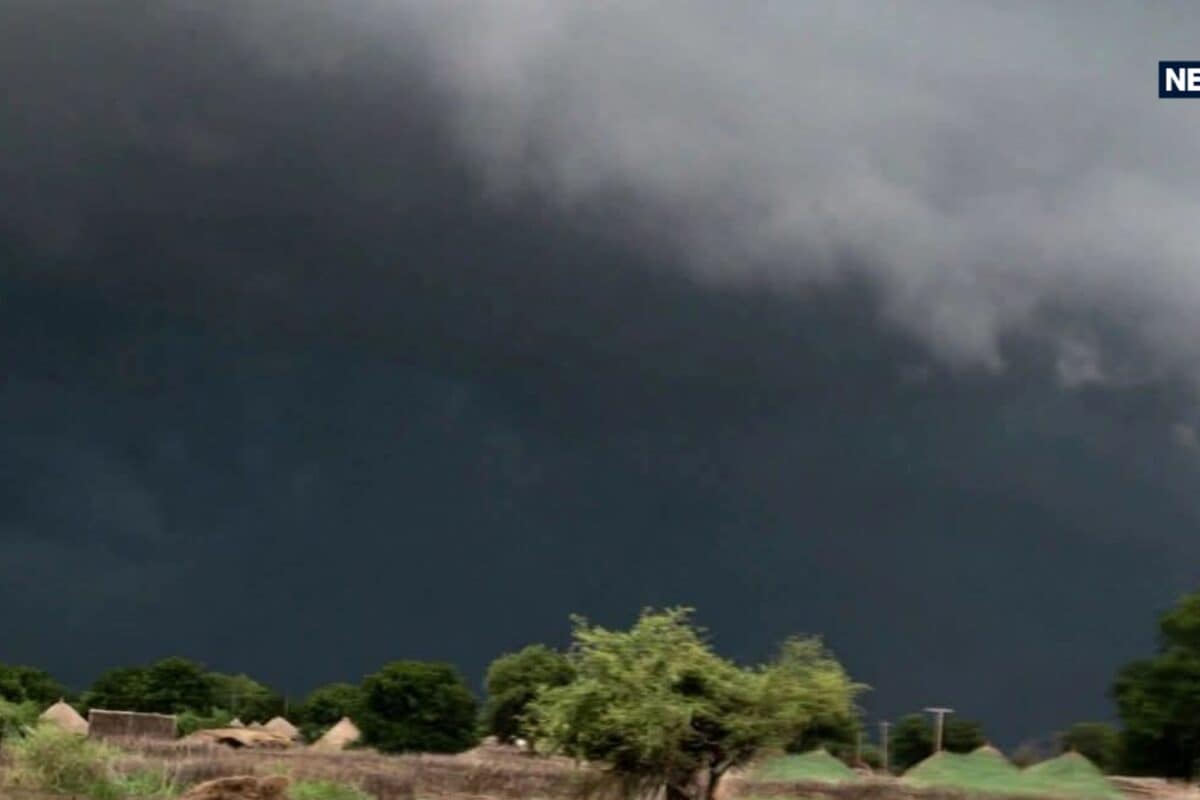
The state of Rajasthan is currently experiencing a fascinating yet challenging phase of bipolar weather conditions, as reported by the Meteorological Center in Jaipur for October 17. Residents across various divisions are witnessing starkly contrasting atmospheric phenomena on the very same day, ranging from sudden spells of gusty winds and refreshing rainfall to oppressive, intense heatwaves. This abrupt shift in meteorological patterns has caught both urban and rural populations by surprise, necessitating immediate adjustments in daily routines, agricultural planning, and commuting arrangements.
Meteorological experts attribute these sudden atmospheric variations to active western disturbances and localized pressure gradients interacting across the region. Historically, the transition phase from the monsoon season to the approaching winter months often brings such volatile weather developments to northwestern India. However, the intensity of isolated temperature spikes, contrasted sharply with localized thunderous precipitation, underlines a complex meteorological transition that demands continuous monitoring by regional disaster management and agricultural advisory boards.
A closer inspection of the ground reality reveals that multiple districts are facing distinct challenges due to this erratic weather system. According to official data from the Meteorological Center in Jaipur, wind speeds are forecasted to range between 20 to 30 kilometers per hour in several impacted zones, potentially disrupting minor outdoor setups and local transport. Concurrently, while Jaisalmer is bracing for a sweltering maximum temperature of 41 degrees Celsius, mirroring deep summer-like discomfort, areas like Mount Abu are simultaneously preparing for damp, cooler conditions with anticipated rainfall.
Local stakeholders, including farmers, small-scale traders, and daily commuters, have expressed mixed reactions to these sudden climatic shifts. The farming community in districts experiencing potential rainfall, such as Churu, Tonk, Bikaner, Bundi, Sri Ganganagar, Chittorgarh, Dholpur, and Hanumangarh, remains particularly vigilant about protecting harvested crops from unexpected moisture. Meanwhile, urban merchants in commercial hubs within the Jaipur, Ajmer, Bharatpur, and Kota divisions are navigating the logistical hurdles posed by sudden cloudbursts and strong, gusty winds sweeping through open marketplaces.
The regional impact of this volatile weather is profoundly felt across surrounding communities, including the wider Kotputli-Behror region, where local commercial activities and logistical supply chains face intermittent disruptions. Commuters traveling through national highways intersecting these weather-affected districts have been advised to exercise extreme caution, especially given the reduced visibility and wind hazards associated with speeds touching 30 kilometers per hour. Local municipal bodies are closely observing the atmospheric updates to ensure public safety in vulnerable areas prone to sudden waterlogging or wind damage.
In response to these fluctuating weather warnings, administrative authorities and disaster response cells have maintained a state of heightened vigilance across the affected districts. Local district administrations have shared precautionary advisories with the general public, urging citizens to stay updated through official channels managed by the Meteorological Center in Jaipur. Emergency response teams remain stationed on standby to tackle any localized exigencies arising from sudden lightning, squalls, or heavy downpours in vulnerable pockets of the state.
Looking ahead, the meteorological outlook provides a reassuring timeline for normalization across the desert state. According to authoritative projections released by the Meteorological Center in Jaipur, the active phase of rainfall and thunderstorms is anticipated to diminish significantly starting from October 18. As these atmospheric disturbances gradually move away, most parts of Rajasthan are expected to witness stabilizing weather patterns, paving the way for clearer skies and a more predictable transition into the forthcoming seasonal climate.
