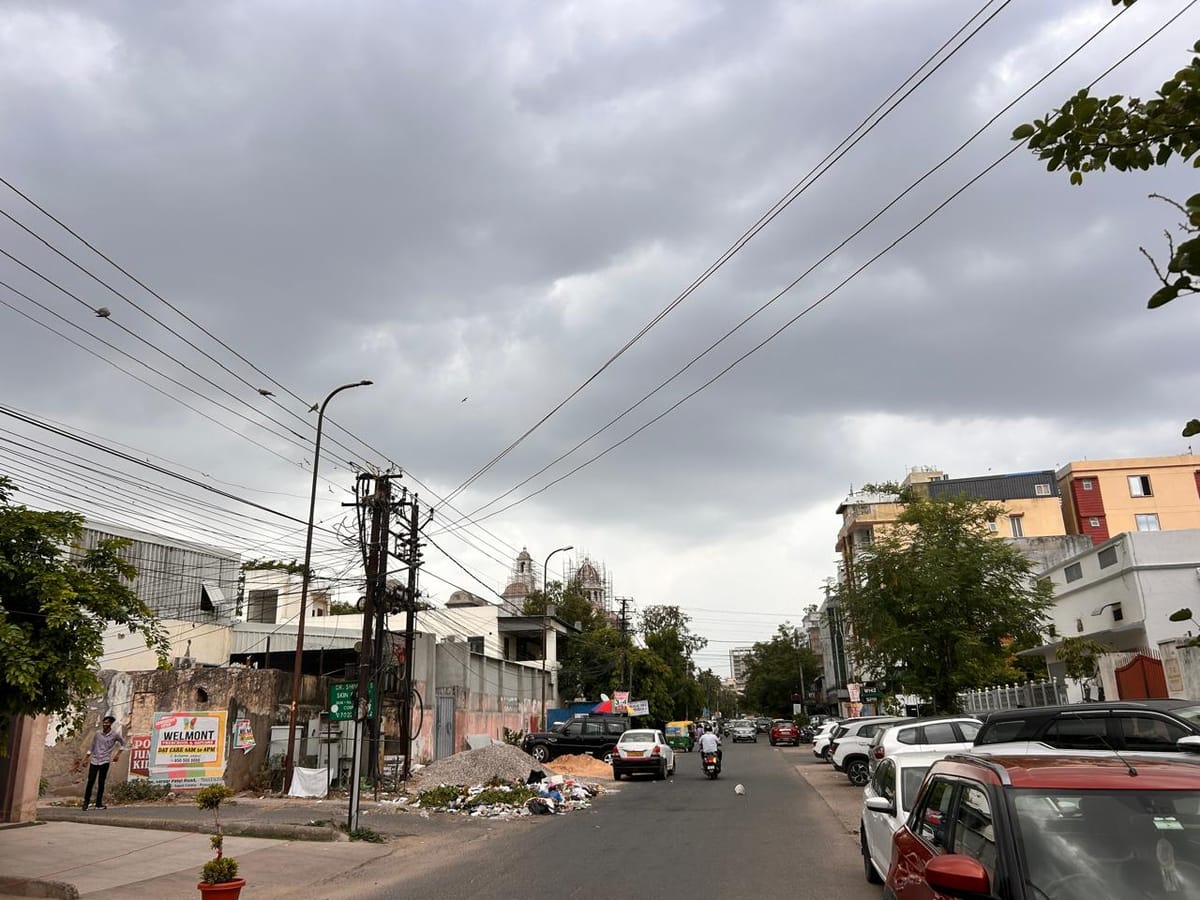
Following the formal and complete withdrawal of the seasonal monsoon system from the desert state of Rajasthan, the regional weather pattern has undergone a drastic transformation, presenting residents with a sharp contrast between scorching daytime temperatures and remarkably cool nighttime conditions. This abrupt transition is characteristic of the post-monsoon phase in northwestern India, where cloudless skies allow solar radiation to heat the landmass intensely during daylight hours, while rapid terrestrial radiation causes temperatures to plummet significantly after sunset.
Historically, the transition period between the heavy monsoon rains and the onset of the traditional winter season has always triggered notable meteorological shifts across Rajasthan. Meteorological experts note that as atmospheric moisture levels drop drastically following the retreat of rain-bearing winds, the diurnal temperature range—the difference between the daily high and low temperatures—widens substantially. This historical climate trend has consistently defined October and November across various geographical zones of the state, setting the stage for seasonal agricultural adjustments and lifestyle changes for millions of citizens.
Examining the precise ground reality and meteorological recordings across different districts reveals stark temperature divides within the state boundaries. According to official weather monitoring reports, Pilani emerged as one of the hottest locations, registering a high daytime temperature touching 41 degrees Celsius, causing considerable discomfort to outdoor workers and daily commuters. Conversely, the high-altitude hill station of Mount Abu recorded a chilly low temperature of 14.6 degrees Celsius, providing an early taste of winter and drawing substantial tourist interest for those seeking respite from the lingering warmth.
Local stakeholders, including agricultural laborers, small business owners, and commuters, have expressed mixed reactions to this fluctuating weather pattern. Farmers preparing their fields for the upcoming rabi sowing season point out that the dry conditions and elevated daytime temperatures require careful management of soil moisture. Meanwhile, local vendors and transport operators note that the sudden drop in evening temperatures, especially contrasted with the afternoon heat, necessitates precautionary measures among vulnerable populations, particularly children and the elderly, to prevent seasonal health ailments.
The broader regional impact of this prevailing weather phenomenon extends significantly into communities across the Kotputli-Behror district and surrounding rural economies. Local markets and community gatherings are adjusting their daily operational hours to avoid the peak afternoon heat while preparing for the brisk conditions that set in immediately after dusk. Small-scale traders observe that shifting weather cycles directly influence consumer buying patterns, particularly regarding seasonal clothing, heating appliances, and agricultural inputs essential for upcoming cultivation cycles.
In response to these shifting climatic conditions, local administrative bodies and health authorities have initiated public awareness campaigns advising citizens to stay hydrated during peak daytime hours and to protect themselves against sudden temperature drops during late evenings. District disaster management cells and health departments maintain routine oversight to ensure that local health facilities remain adequately equipped to handle any seasonal flu or dehydration cases resulting from these rapid diurnal temperature fluctuations.
Looking forward, the extended meteorological outlook for the next 7 days indicates that dry weather conditions will prevail persistently across all major districts of Rajasthan. Forecasters predict no immediate likelihood of rainfall or significant cloud cover, meaning that the pattern of warm days and cool nights will continue uninterrupted. Citizens and regional stakeholders are advised to stay updated with daily weather advisories and plan their personal and professional routines accordingly to cope with the steady persistence of these contrasting climatic conditions.