
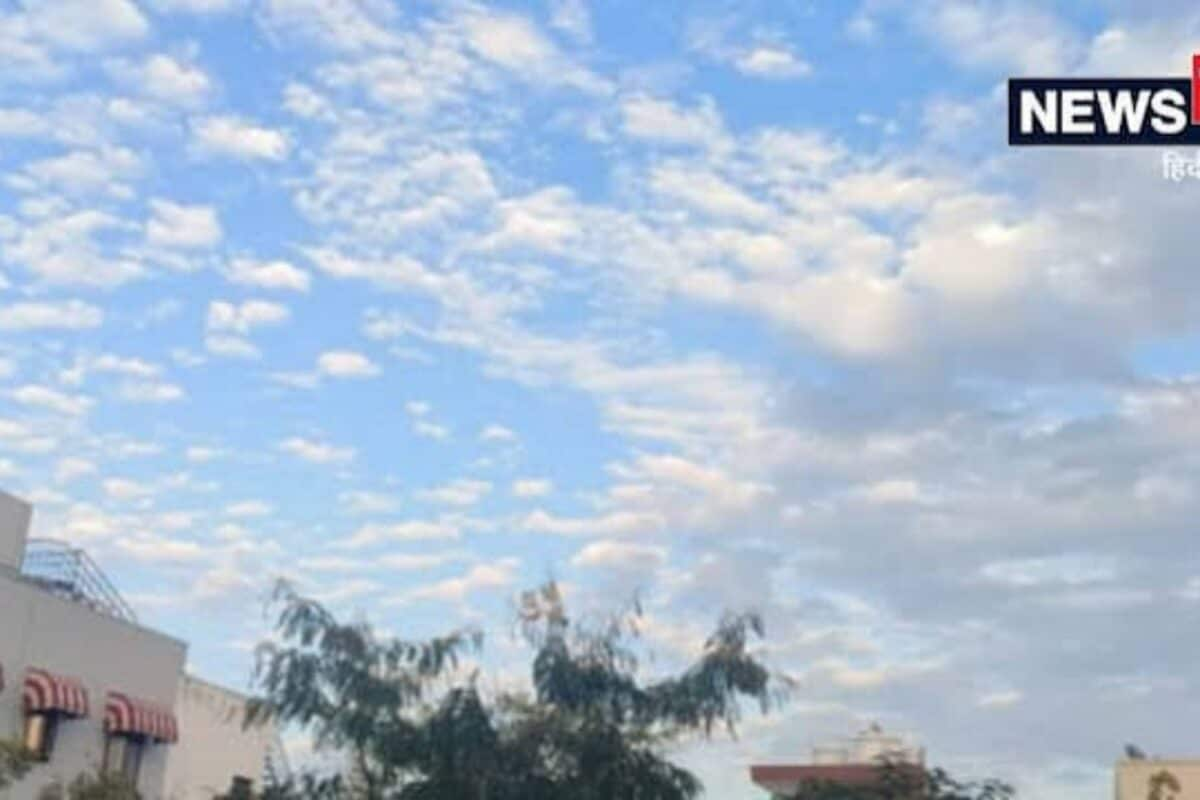
Winter conditions have officially escalated across the state of Rajasthan, with the Meteorological Department reporting a significant drop in temperatures across multiple districts on November 22. The sharp transition from pleasant autumn warmth to biting nocturnal chill has marked the true arrival of the winter season. Citizens across various regions have begun reaching out for warmer clothing as early morning mists and crisp evening breezes characterize the daily atmospheric conditions.
Historically, the month of November in Rajasthan acts as a crucial climatic turning point, bridging the gap between the receding post-monsoon warmth and the deep winter freezes of December and January. Meteorological experts from the department analyze these seasonal shifts meticulously, noting that the gradual clearing of skies and northern wind patterns are primarily responsible for the rapid heat radiation from the earth's surface during nighttime hours, leading to these early winter lows.
Delving into the specific ground realities and statistical data provided by weather authorities for November 22, the state exhibits a sharp contrast between its high-altitude regions and its western desert expanses. Mount Abu, the state's sole hill station, recorded a piercing minimum temperature of 5.7 degrees Celsius, making it the coldest inhabited pocket in the region. Meanwhile, in the agricultural plains of the Shekhawati region, Fatehpur in Sikar district closely followed with the mercury dropping to 6.1 degrees Celsius.
Stakeholders, local residents, and agricultural communities are closely monitoring these temperature fluctuations. Farmers in the rural belts are observing how these low morning temperatures impact their late Kharif harvesting and early Rabi sowing operations. Local traders dealing in woolen garments and seasonal heating appliances report an uptick in commercial activity as households prepare for the deeper winter months ahead, reflecting immediate economic adaptations to the climatic shift.
Examining the broader regional impact, the daytime temperatures present a starkly different thermal profile across various urban and rural centers. Barmer recorded the state's highest maximum temperature at 31.6 degrees Celsius, maintaining a warm afternoon environment. In Eastern Rajasthan, Chittorgarh registered the highest maximum mark at 29.2 degrees Celsius, while the capital city of Jaipur recorded an afternoon high of 27.7 degrees Celsius. Further south and east, Kota and Bhilwara recorded maximum temperatures of 27 degrees Celsius and 26.6 degrees Celsius respectively.
Administrative bodies and local municipal authorities are maintaining vigilant oversight of public health and shelter arrangements as the night temperatures dip further. District administrations in vulnerable cold-prone zones are reviewing preparedness plans for homeless shelters and public welfare measures. The meteorological office continues to issue regular bulletins to assist commuters, agriculturists, and local administrations in anticipating localized weather variations.
Looking toward the forward outlook, weather forecasts indicate that dry weather conditions will persist across the entire state of Rajasthan on November 22, with absolutely no rainfall alerts currently in place. Citizens and local enterprises are advised to remain cognizant of the widening diurnal temperature range—enjoying warm afternoon sun while bracing for sharp drops in temperature after sunset throughout the coming days.
