
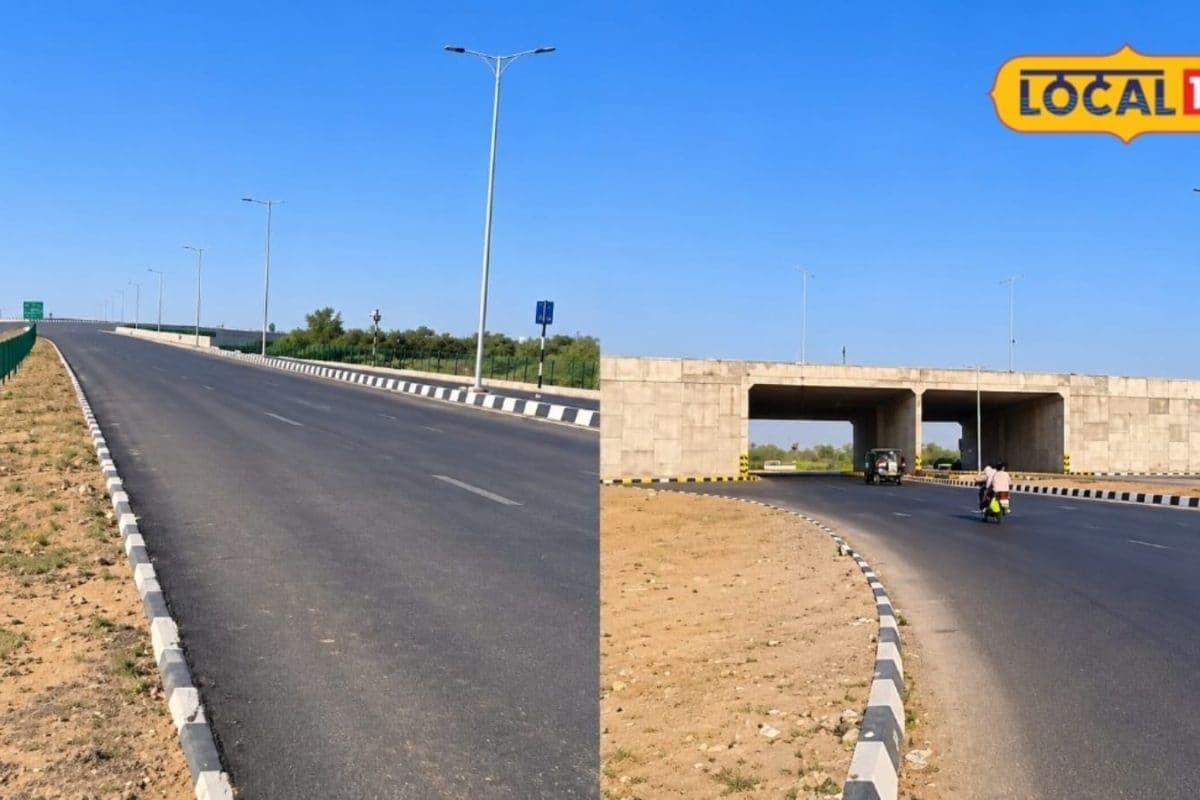
Commuters traveling between the historic cities of Pali and Jodhpur are poised to witness a transformative shift in their daily transit experiences, courtesy of a massive infrastructure enhancement initiative sanctioned on the vital Pali-Jodhpur Highway. For years, motorists navigating this bustling commercial and commuter corridor have faced immense challenges characterized by severe traffic bottlenecks, prolonged delays, and an alarming frequency of road accidents. Recognizing the urgent necessity for comprehensive infrastructural remediation, the National Highways Authority of India (NHAI) has officially stepped in to overhaul critical transit points along this route through a meticulously planned engineering intervention.
The genesis of this ambitious infrastructure undertaking lies in the persistent public appeals and rigorous safety audits conducted along the Pali-Jodhpur Highway. Over the past decade, rapid industrialization, burgeoning urbanization, and exponential growth in vehicular traffic transformed this regional arterial route into a high-risk zone prone to severe congestion, particularly near densely populated junctions and industrial clusters. Local administrative bodies and trade organizations repeatedly flagged the escalating hazards, prompting federal and state transport authorities to conceptualize a permanent structural solution that would segregate local traffic from high-speed intercity freight movement.
At the heart of this comprehensive developmental blueprint is a substantial financial allocation of approximately 80 crore rupees, dedicated exclusively to executing targeted structural modifications across three critical congestion and accident-prone zones. The engineering scope encompasses the construction of two dedicated underpasses and one large-scale elevated flyover designed to streamline vehicular flow. According to progress reports issued by the National Highways Authority of India (NHAI), ground execution is proceeding at a steady pace across all designated sites, backed by rigorous quality and timeline monitoring to ensure adherence to standard highway development protocols.
Assessing the physical progress on the ground reveals notable milestones achieved in recent months. The first major intervention near Rohat, featuring a 750-meter-long underpass, has reached successful completion, instantly alleviating localized traffic friction and providing safe pedestrian and vehicular crossing facilities. Meanwhile, the second underpass situated near the prominent Jagdish Chaudhary petrol pump, spanning a length of 800 meters, has achieved twenty-five percent completion. In addition to these underpass projects, the construction of a substantial 1.2-kilometer-long flyover at the Krishi Mandi turn and Kudi area in Jodhpur has crossed fifty-seven percent completion, signaling robust momentum in the overall project lifecycle.
Beyond the immediate engineering metrics, the successful realization of these infrastructure projects holds profound socio-economic implications for the broader region, extending its positive reverberations to communities residing across districts such as Kotputli-Behror and neighboring commercial hubs. Improved connectivity directly translates to reduced logistic turnaround times for commercial transporters, lower vehicle operational costs, and enhanced safety for daily wage earners, students, and family commuters. Furthermore, the mitigation of chronic bottlenecks is anticipated to stimulate local trade and commercial activities along the Pali-Jodhpur corridor, fostering sustainable regional development.
Administrative oversight and statutory compliance remain central to the execution strategy formulated by the National Highways Authority of India (NHAI) and supervising regional engineers. Regular site inspections, geotechnical evaluations, and environmental impact assessments are being rigorously maintained to prevent administrative delays and ensure structural resilience against adverse weather conditions. District authorities are actively coordinating with construction agencies to manage temporary traffic diversions, minimizing inconvenience to daily commuters while heavy machinery and specialized engineering teams operate round the clock at the designated construction zones.
Looking toward the forward outlook and projected completion timeline, project authorities have established a firm deadline of March 2027 for the total commissioning of all three infrastructural components. As construction advances past crucial intermediate milestones, public expectations remain high regarding the ultimate realization of a seamless, accident-free transit corridor. Once fully operationalized, this 80-crore investment will stand as a benchmark for regional highway modernization, permanently resolving the long-standing transit vulnerabilities that have historically plagued travelers along the vital Pali-Jodhpur route.
