
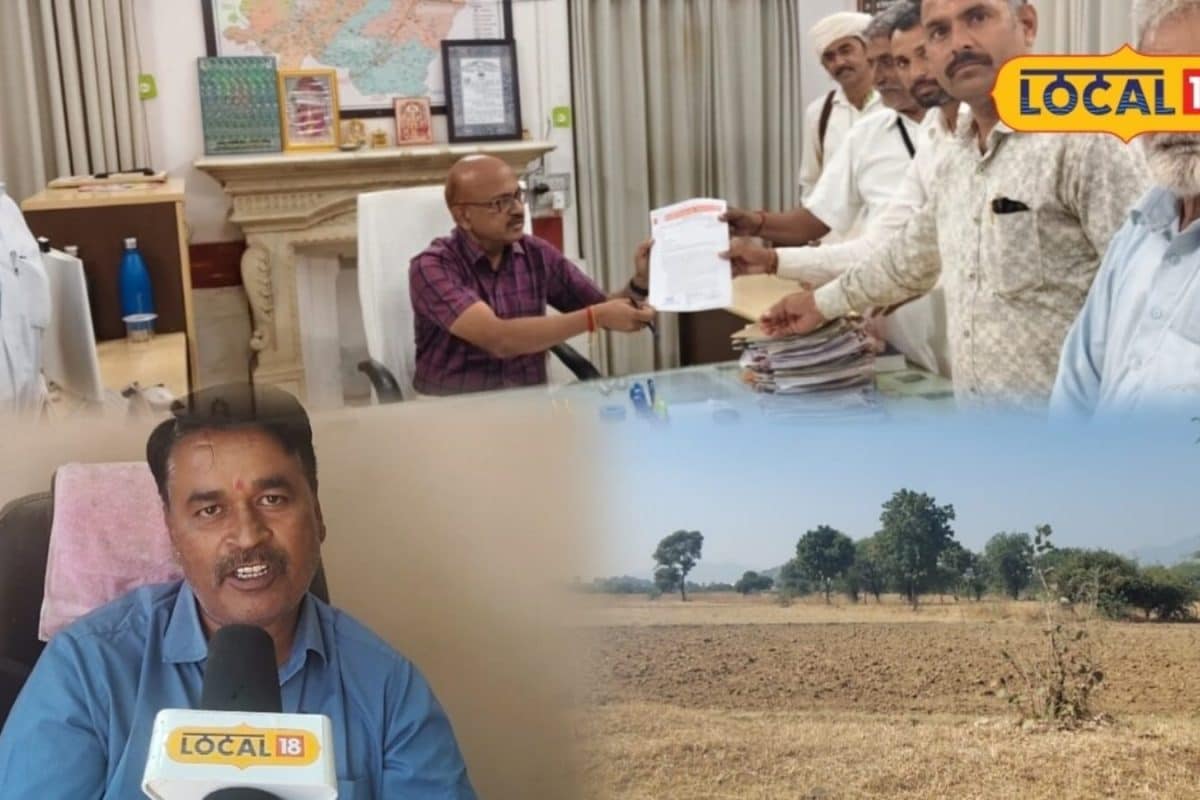
A severe water crisis and drought-like conditions have gripped the Sirohi district following a deficient monsoon season that recorded less than 50 percent of the average rainfall. Farmers across the region are facing unprecedented agricultural distress, leading to mounting anxiety within rural communities regarding their upcoming crop yields and basic survival necessities. The unpredictable weather patterns have severely impacted the hydrological balance of the district, leaving agriculturalists struggling to cope with rapidly depleting natural water resources.
The current crisis traces its origins to systemic rainfall deficits that have plagued the region over successive agricultural cycles, culminating in this year's extreme dry spell. Historically, Sirohi relies heavily on seasonal precipitation to recharge its underground aquifers, fill traditional water reservoirs, and maintain adequate moisture levels for sowing kharif crops. With cumulative rainfall plummeting drastically below the half-way mark of standard historical averages, the agricultural foundation of the entire district has been shaken to its core.
Assessing the statewide financial intervention, the state government has rolled out a substantial 9321 crore rupees drought relief package aimed at mitigating distress across 87 tehsils spanning 15 districts. However, the operational parameters of this massive financial allocation have triggered intense controversy and deep dissatisfaction locally. Within Sirohi district, administrative authorities have restricted drought-affected status exclusively to the Shivganj tehsil, completely omitting the remaining tehsils despite identical or worse meteorological conditions prevailing across the region.
Voicing intense dissatisfaction over this selective administrative approach, prominent regional farmer organizations, spearheaded by the Bharatiya Kisan Sangh, have launched concerted opposition against the partial relief distribution. Local agricultural leaders and community representatives are openly questioning the rationale of the government, asking what benefit a single tehsil will derive while the rest of the district languishes in acute drought. Stakeholders emphasize that arbitrary geographical divisions fail to reflect the ground reality of widespread agricultural failure.
The compounding ecological distress has severely affected the regional rural economy, threatening the financial stability of farming households and allied rural workers. With local irrigation systems failing, farmers report that major regional water bodies, including earthen dams, local ponds, and traditional wells, are drying up at an alarming pace. The unavailability of timely irrigation water has already inflicted extensive damage on standing crops, while impending shortages threaten to decimate future agricultural productivity across the entire district.
Beyond immediate crop failures, the escalating water scarcity poses a grave and immediate threat to livestock sustenance, which forms the secondary economic pillar for rural families. Farming communities have repeatedly warned that the acute shortage of drinking water and fodder will critically endanger farm animals in the coming weeks. To mitigate this looming catastrophe, affected populations are persistently demanding the establishment of dedicated government fodder depots alongside a comprehensive, district-wide special relief package.
Looking toward the future, farmer representatives and regional unions are maintaining immense pressure on policymakers to review the current eligibility criteria for drought relief. Unless administrative boundaries are redrawn to encompass every suffering tehsil in Sirohi, rural leaders warn of intensifying agitation. The coming weeks will remain critical as authorities evaluate administrative feasibility against mounting grassroots demands for equitable and unconditional drought assistance.
