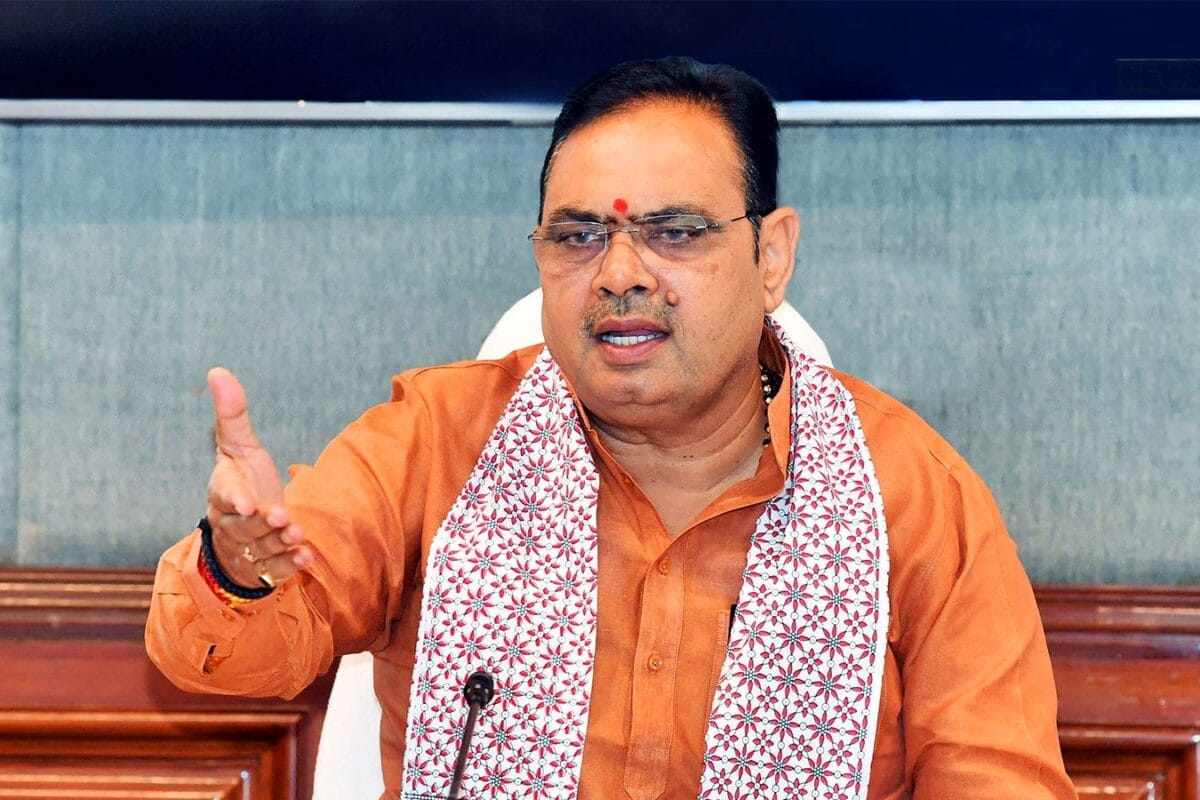
In a significant development aimed at transforming the public transportation landscape of Rajasthan, the state has secured the approval of three new railway services. This major breakthrough follows persistent and concerted initiatives led by Chief Minister Bhajanlal Sharma to enhance passenger mobility and regional connectivity across the state.
The administrative process leading up to this announcement involved extensive coordination between state leadership and the central railway ministry. Over the years, commuters and commercial travelers in key administrative and economic centers such as Jaipur, Ajmer, Kota, and Bharatpur have voiced the urgent need for expanded railway networks to accommodate rising passenger traffic.
Addressing these long-standing public demands, Union Railway Minister Ashwini Vaishnaw officially sanctioned the introduction of three major train routes specifically designed to link Rajasthan with neighboring regions and crucial commercial hubs. The newly approved services comprise the Bhuj-Baruni Amrit Bharat Express, which will traverse through Kota and Bharatpur, along with the Haridwar-Okha Express and the Haridwar-Veraval Express, both routed through Jaipur and Ajmer.
Local trade associations, daily commuters, and regional passenger welfare organizations have expressed immense satisfaction regarding the formal approval of these three trains. Representatives from various business sectors in Jaipur, Ajmer, Kota, and Bharatpur noted that seamless rail connectivity is vital for fostering economic growth, boosting regional commerce, and encouraging tourism.
The introduction of the Bhuj-Baruni Amrit Bharat Express via Kota and Bharatpur, alongside the two Haridwar-bound express services via Jaipur and Ajmer, holds immense promise for local communities. Residents who previously faced logistical bottlenecks and limited direct transit options will now experience significantly reduced travel times and enhanced comfort during their journeys.
Following the formal clearance from the central authorities, railway administrative divisions are actively reviewing the operational modalities, scheduling frameworks, and infrastructure readiness required to launch these services. Officials have emphasized that standard protocols and safety clearances will be meticulously managed to ensure a seamless rollout.
Looking ahead, the implementation of these three new train routes marks a crucial milestone in Rajasthan's infrastructural development. Stakeholders and public representatives remain optimistic that continued collaboration between the state government and the Ministry of Railways will yield further advancements in public transit for the citizens of Rajasthan.