
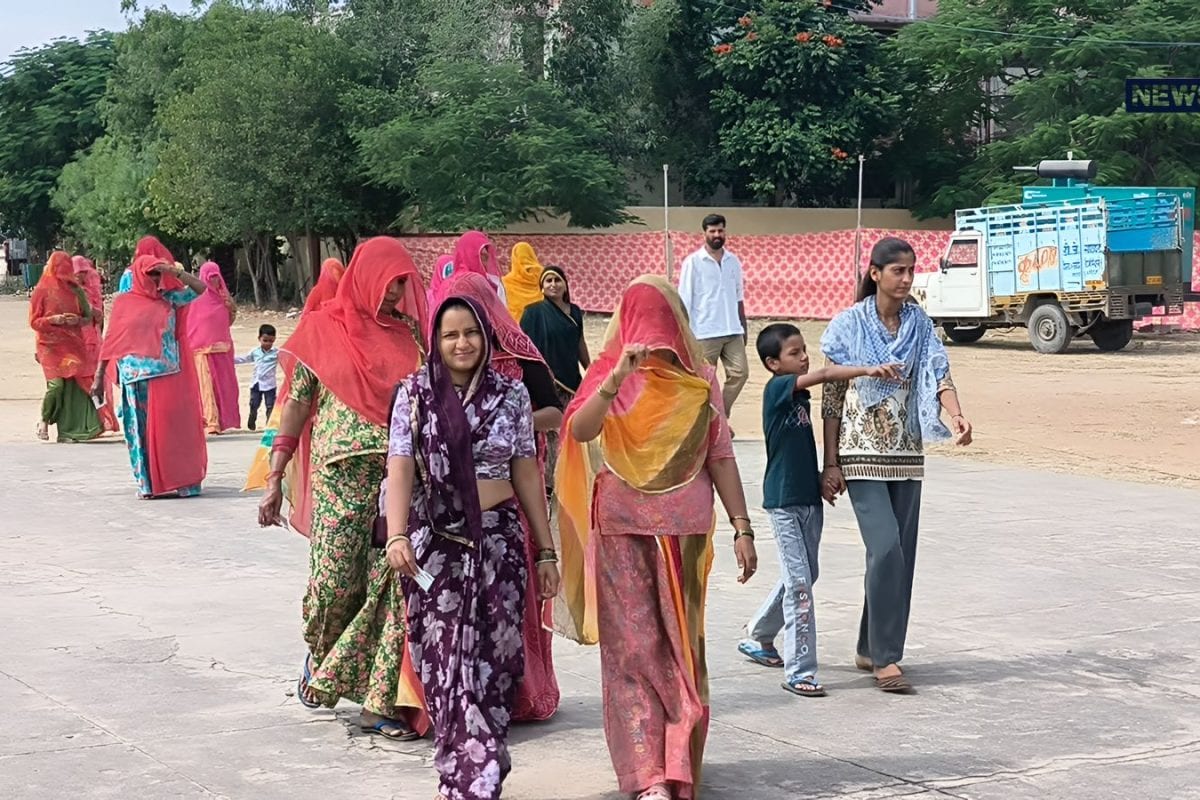
The political landscape across rural Rajasthan is witnessing intense administrative and electoral activity as the first phase of the Panchayati Raj elections reaches a crucial milestone. Following the late-night declaration of election results for sarpanches and ward panches, the focus has immediately shifted to the crucial election of deputy sarpanches. This vital democratic exercise is currently underway in 3,314 village panchayats spread across 16 districts of the state, marking a definitive step toward completing local self-government formations.
Historically, the establishment of grassroots democratic institutions in Rajasthan has been foundational to rural development, decentralization of governance, and the execution of central and state welfare schemes. The layered electoral structure of the Panchayati Raj system ensures that leadership emerges directly from the grassroots. The culmination of sarpanch and ward panch results paves the way for the internal election of deputy sarpanches, an office that holds immense administrative and executive significance for the day-to-day functioning of village panchayats.
As per the meticulously laid out electoral guidelines, the entire gamut of election proceedings—comprising nominations, polling, and the final counting of votes—is being conducted on a single day. This rapid scheduling covers a massive scale, encompassing 3,314 village panchayats across 16 targeted districts. Notably, the district of Jaipur alone accounts for 212 village panchayats where these high-stakes elections are unfolding concurrently, demanding rigorous monitoring and logistical mobilization from the district administration.
Unlike general elections where the entire electorate participates, the election of the deputy sarpanch is an indirect democratic process governed by specific statutory provisions. Ordinary citizens do not cast direct votes in this phase. Instead, the mandate is exclusively vested in the newly elected ward panches, who exercise their franchise to choose a deputy sarpanch from among themselves. This unique electoral college dynamic often transforms rural settlements into hubs of intense political negotiations, alliances, and last-minute consensus-building.
In the wake of the late-night announcement of election results, rural communities have witnessed a sudden surge in political lobbying and strategic maneuvering. Village factions, community elders, and emerging local leaders are actively engaging in intense consultations to secure the deputy sarpanch position. The regional impact of these internal elections extends deep into local governance, community harmony, and the smooth execution of developmental works, making the outcome critical for every participating household and village jurisdiction.
To maintain absolute transparency, law and order, and strict adherence to the model code and electoral guidelines, district administrations and law enforcement agencies have deployed comprehensive security measures across all polling venues. Election observers and returning officers are closely supervising the proceedings to ensure that the nomination, polling, and counting phases conclude without any untoward incidents. Administrative officials have reiterated that any attempts to influence the electoral process unduly will be met with immediate legal action.
Looking ahead, the conclusion of today’s deputy sarpanch elections will officially complete the foundational tier of local governance leadership in the affected districts. Once these results are formally declared, the newly constituted executive bodies will take charge of their respective village panchayats, initiating developmental planning and administrative duties. Public expectations remain high as communities look forward to stable leadership, transparent resource allocation, and accelerated rural infrastructure development under the newly elected representatives.
