
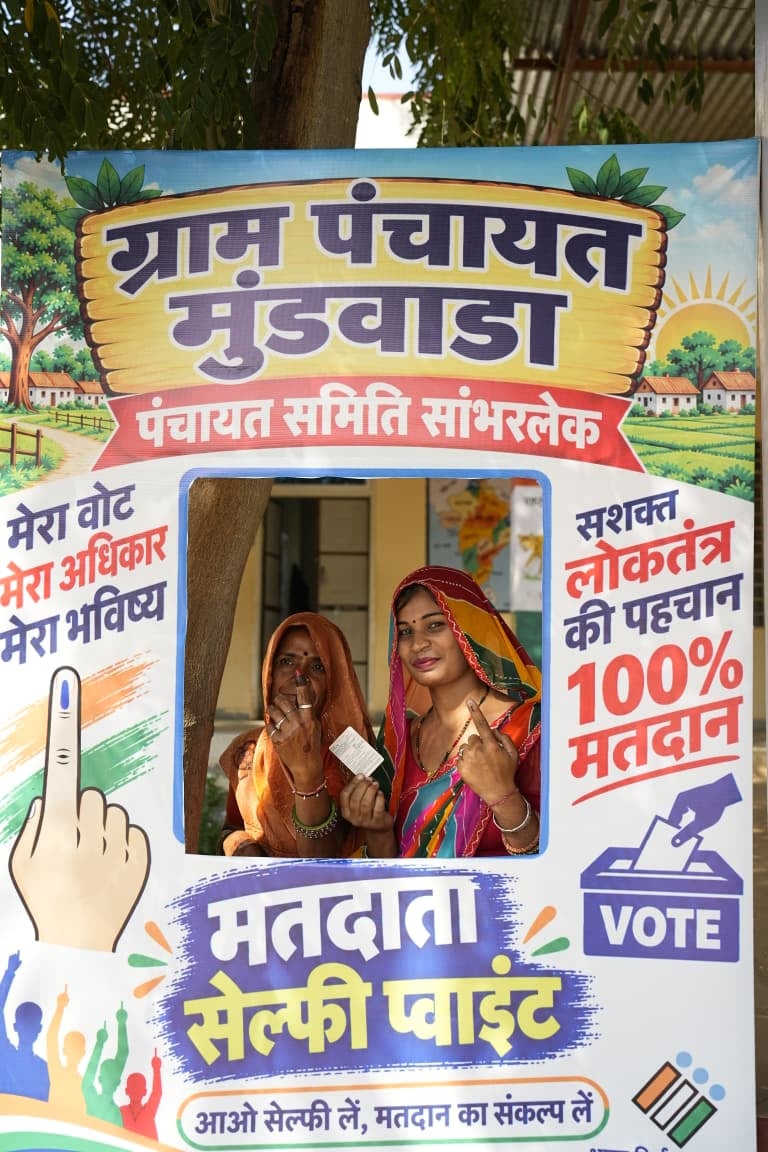
Voter enthusiasm reached unprecedented levels across Rajasthan as the state successfully conducted the first phase of the crucial panchayat elections. Citizens stepped forward in large numbers to exercise their franchise for the pivotal post of Sarpanch, signaling a deep-rooted commitment to grassroots democracy and local governance. Electoral authorities noted an overwhelming response at polling booths, setting a strong precedent for the subsequent phases of the democratic exercise.
A comprehensive analysis of the electoral trends reveals a marked upward trajectory in civic engagement when compared to historical data from preceding local body elections. Local governance experts attribute this sustained interest to an increased awareness among rural populations regarding development initiatives, resource allocation, and the direct impact of panchayat-level decisions on everyday community welfare.
Official statistics released by the election monitoring bodies confirmed that the overall voter turnout for the inaugural phase touched an impressive 83.05 percent. When evaluated against the metrics of previous elections, this figure represents a clear statistical jump of 1.77 percent. The meticulously gathered data underscores both administrative preparedness and the proactive cooperation of the rural populace in ensuring a smooth voting process.
A closer examination of the district-wise participation rates highlights fascinating regional disparities in voter enthusiasm. Electoral reports explicitly confirm that Jhalawar and Barmer registered the highest levels of voter participation during this phase, showcasing dynamic civic mobilization. Conversely, the district of Pali recorded the lowest voter turnout among all participating regions, prompting localized reviews by administrative analysts.
While Kotputli and its surrounding regions maintain distinct administrative identities, the broader statewide enthusiasm resonates deeply with local communities invested in rural development and grassroots empowerment. The ripple effects of high voter turnout in panchayat elections invariably influence administrative accountability, infrastructure planning, and the equitable distribution of welfare resources across rural landscapes.
District administrations and election observers maintained strict vigilance throughout the polling operations, ensuring adherence to statutory guidelines and maintaining public order. Comprehensive logistical arrangements, security deployments, and systematic monitoring mechanisms were operationalized to safeguard the integrity of the ballot and facilitate unhindered access for all eligible voters.
As the election machinery prepares for the subsequent phases, the impressive turnout figures establish an optimistic benchmark for local democracy. Stakeholders across the political and administrative spectrum anticipate sustained high participation as rural communities continue to shape their governance futures through active ballot engagement.
