
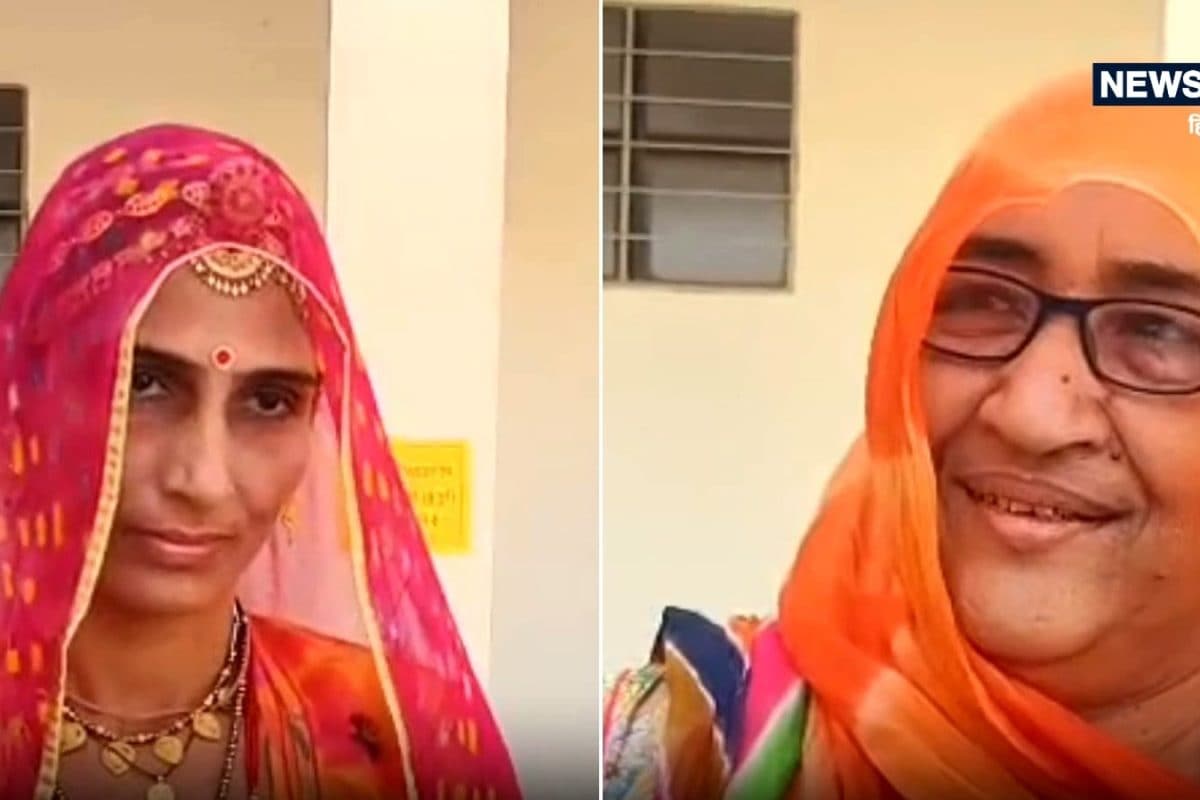
The 2026 panchayat elections in Nagaur district have produced a remarkably unique and intensely discussed electoral outcome that has immediately captured the attention of political analysts and rural communities alike. At the center of this electoral phenomenon is Baran Gram Panchayat, where a fascinating contest for the coveted position of sarpanch unfolded between two members of prominent Member of Parliament Hanuman Beniwal's extended family. What began as a routine local administrative election quickly escalated into the most talked-about domestic political battle across the region due to the exceptional familial ties binding the two primary candidates.
Delving deeper into the background of this unprecedented election reveals a complex web of familial relationships that made the contest uniquely compelling for local voters. The two candidates vying for the sarpanch seat were not merely distant political rivals or routine adversaries from opposing factions; they were simultaneously connected as sisters-in-law and biological sisters. This intricate domestic relationship added an extraordinary layer of emotional and social complexity to the campaign dynamics within Baran Gram Panchayat, turning a standard administrative election into an intensely personal affair that resonated deeply throughout the entire Nagaur district.
As polling concluded and the official results were tabulated, the quantitative reality of the election proved just as striking as the familial dynamics behind it. In the decisive electoral face-off, the younger sister-in-law, Rajbala, secured a resounding victory over her elder sister, Mira, by an overwhelming margin of 982 votes. Electoral records from the counting center highlighted the stark contrast in voter support, with the elder sister Mira managing to secure a mere 21 votes. This immense numerical disparity transformed the election from a standard competitive race into a landslide victory that immediately drew widespread public scrutiny and endless local commentary.
Reactions from local residents, community elders, and regional observers reflect a mixture of astonishment and profound curiosity regarding how deeply personal family dynamics intersected with the formal democratic process. While local elections traditionally focus on issues such as rural infrastructure, development grants, and village governance, the prominent involvement of Member of Parliament Hanuman Beniwal's family ensured that external political interest remained exceptionally high. Citizens across Nagaur have openly debated the implications of such a divided household, noting that democratic choices frequently transcend even the closest of blood relations when village leadership is at stake.
The broader regional impact of this high-profile contest extends far beyond the immediate boundaries of Baran Gram Panchayat, influencing political discourse across the entire district. Local analysts point out that rural elections in Rajasthan often serve as barometers for shifting community loyalties and grassroots political alignments. Even though the contest was strictly centered around local village administration, the familial connection to a high-profile national figure like Hanuman Beniwal elevated the local stakes, transforming a village-level sarpanch race into a prominent regional talking point.
Administrative officials supervising the panchayat elections maintained strict oversight to ensure that the electoral process remained completely transparent, orderly, and compliant with all statutory guidelines. Election commission personnel deployed in Nagaur confirmed that voting and counting proceeded smoothly without any major administrative disruptions or security concerns, despite the intense emotional and familial pressures surrounding the specific candidates. The strict adherence to electoral protocols ensured that the final results were delivered accurately and accepted without official dispute.
Looking ahead, the conclusion of this dramatic election opens a new chapter for the governance of Baran Gram Panchayat under the newly elected leadership of Rajbala. The local community now anticipates the formal assumption of office and the subsequent implementation of promised developmental initiatives for the village. As the dust settles on this extraordinary domestic political duel, the focus of residents and regional commentators alike will undoubtedly shift toward how the newly established leadership addresses local infrastructural needs while navigating the delicate interpersonal dynamics within the family.
