
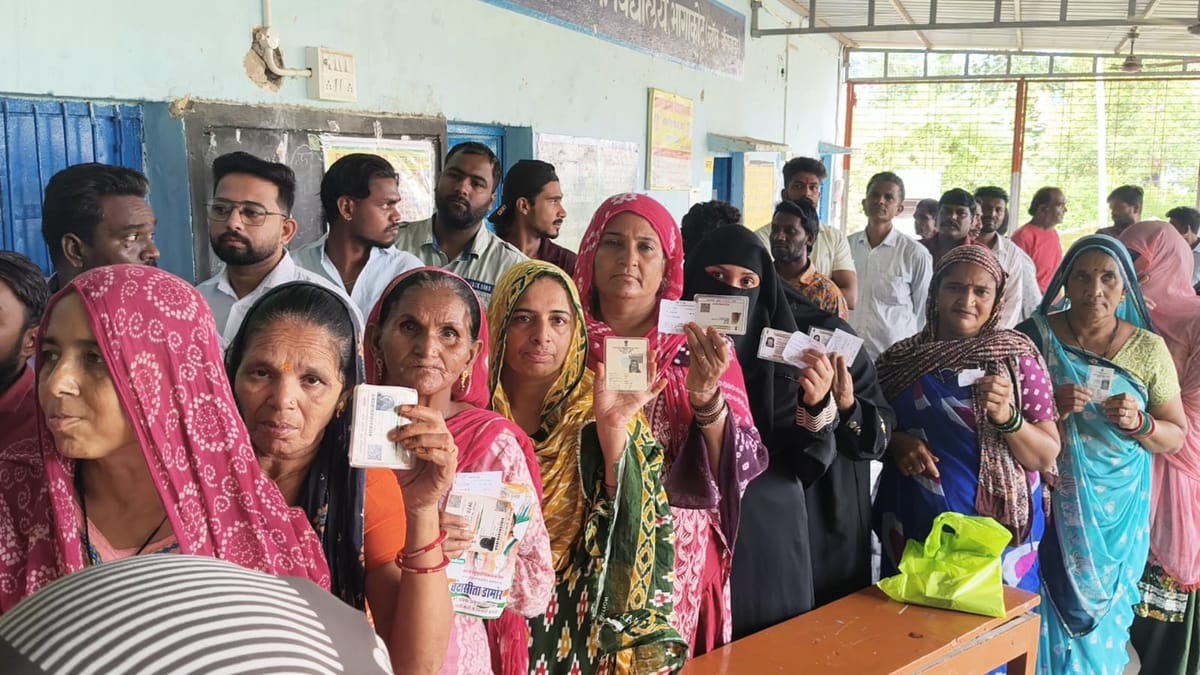
The political landscape of Rajasthan has witnessed a fascinating electoral outcome following the conclusion of the municipal elections across the state. The latest voting patterns and district-wise analysis indicate a multi-cornered contest where major political formations as well as independent candidates have secured substantial footholds. According to the comprehensive data released, the electoral mandate presents a diverse picture of voter inclination at the grassroots level.
Historically, municipal elections in Rajasthan serve as a crucial barometer of public sentiment, reflecting local governance issues, civic infrastructure challenges, and micro-level political dynamics. Over the years, these urban local body elections have evolved from mere administrative contests into high-stakes political battles where national and regional parties test their organizational strength right down to the municipal ward level, setting the stage for broader political alignments.
A closer examination of the statistical distribution reveals the precise standing of various political entities across the state. Out of the total districts evaluated, the Bharatiya Janata Party established its lead in 19 districts, capturing the highest vote share in those regions. Meanwhile, the Indian National Congress maintained its stronghold in 11 districts, and independent candidates matched this tally by securing dominance in another 11 districts, thereby proving that local leadership and personal rapport often outweigh sheer party machinery.
Political analysts, local leaders, and community representatives have offered diverse perspectives on these intriguing results. While party spokespersons attribute their respective leads to effective governance models and developmental agendas, independent candidates and local observers emphasize that voters increasingly prioritize immediate civic amenities, accessibility of local representatives, and responsive municipal administration over strict party affiliations.
Within the specific context of regional administrative zones, including areas around Kotputli-Behror, the cascading effects of these municipal outcomes are clearly visible. Local trade associations, resident welfare groups, and municipal contractors are closely monitoring these trends, as the distribution of power at the local urban body level directly influences budgetary allocations, developmental projects, and day-to-day municipal service delivery.
Administrative authorities and election officials have maintained rigorous oversight throughout the electoral process, ensuring transparency, peaceful voting, and meticulous counting procedures. Following the formal declaration of these results, district administrations are now gearing up for the subsequent phases of municipal governance, including the election of chairpersons, mayors, and the formation of standing committees in various urban local bodies.
Looking ahead, the successful candidates and newly elected representatives face the immediate challenge of fulfilling campaign promises and addressing long-standing civic grievances related to sanitation, water supply, and urban infrastructure. As these municipal bodies officially take charge, public expectations remain exceptionally high, and citizens will be keenly watching how the leadership across the BJP-led, Congress-led, and independent-dominated districts delivers on developmental governance in the coming term.