
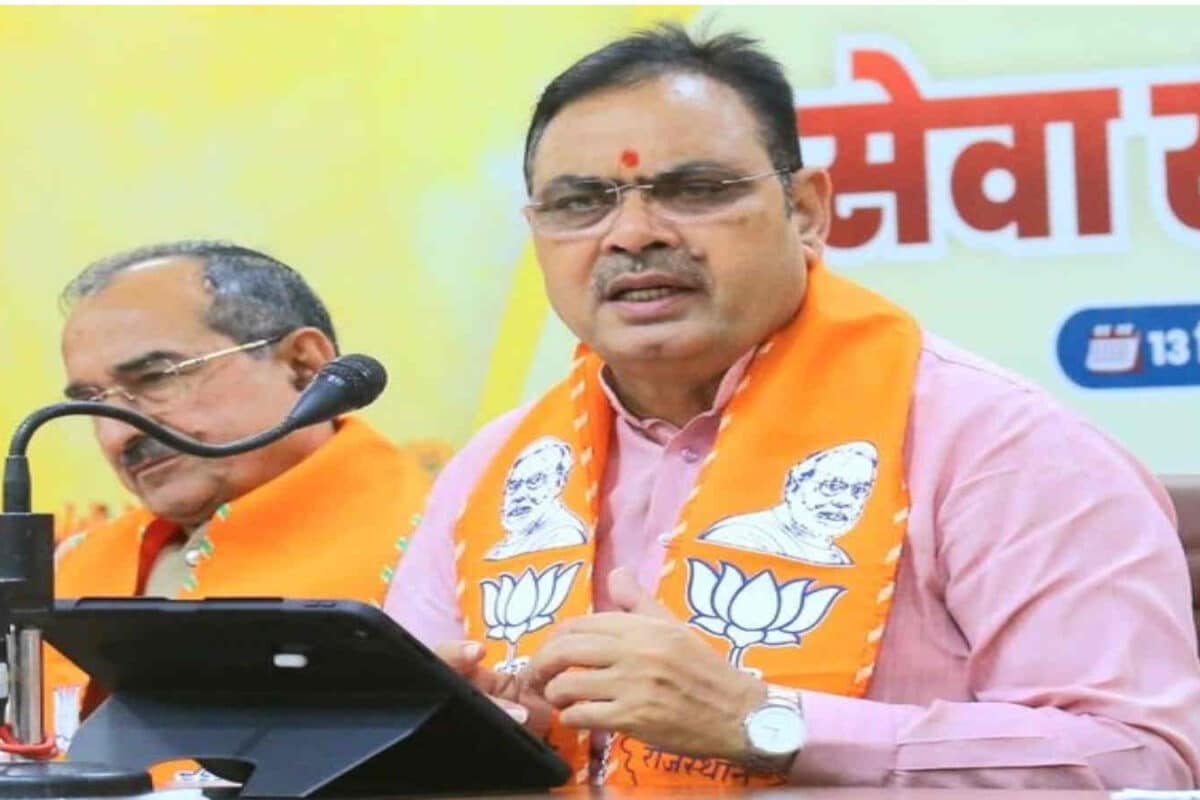
The Rajasthan municipal elections of 2026 have produced a stunning and unexpected political landscape across the state, creating major waves in regional governance. Most notably, in the Bharatpur Municipal Corporation, which falls under the home district of Chief Minister Bhajanlal Sharma, the ruling party faced a severe setback. Voters completely bypassed conventional party lines, handing an overwhelming majority of seats to independent candidates and reshaping the local power dynamic significantly.
Historically, municipal elections in Rajasthan serve as a critical barometer of public sentiment at the grassroots level, reflecting urban governance satisfaction and administrative efficiency. The 2026 electoral cycle has proven to be no exception, as urban centers across the state witnessed intense political mobilization and aggressive campaigning by both major national parties, the Bharatiya Janata Party and the Congress, alongside a robust mobilization of local independent leaders.
A rigorous examination of the electoral outcome reveals striking statistical realities across the 65 total wards that constitute the Bharatpur Municipal Corporation. Voters demonstrated a profound preference for independent candidates, who secured a staggering 36 wards through sheer local influence. Meanwhile, the Bharatiya Janata Party managed to capture only 20 wards, falling significantly short of expectations in the Chief Minister's backyard. The Congress party suffered an even more dismal fate, failing to reach the double-digit mark and securing a meager 7 wards.
Local stakeholders, community leaders, and political analysts have expressed diverse viewpoints regarding this unprecedented electoral verdict. Citizens and urban residents voiced frustrations over traditional party politics, favoring independent representatives whom they believe are more accessible and responsive to immediate municipal concerns, civic infrastructure demands, and local development projects within their respective neighborhoods.
While the immediate electoral shock centers on Bharatpur, the broader regional impact extends outward, influencing political strategies in neighboring areas including Kotputli-Behror district. Local businesses, traders, and community councils are closely monitoring how this fragmented municipal mandate will affect administrative approvals, commercial policy implementations, and civic expenditure over the upcoming term.
In response to the decisive election results, municipal authorities and administrative officials have initiated preparatory protocols to facilitate the smooth transition of power and the oath-taking ceremonies for the newly elected representatives. Statutory oversight committees are ensuring that all electoral compliance documentation is finalized efficiently to prevent any administrative paralysis within the local urban body.
Looking toward the future, the primary challenge for the Bharatpur Municipal Corporation will involve building a functional consensus among the 36 independent councilors and party representatives to elect municipal leadership and pass essential budgets. The coming weeks will dictate whether this independent-led coalition can effectively govern and deliver on the high civic expectations of the urban electorate.
