
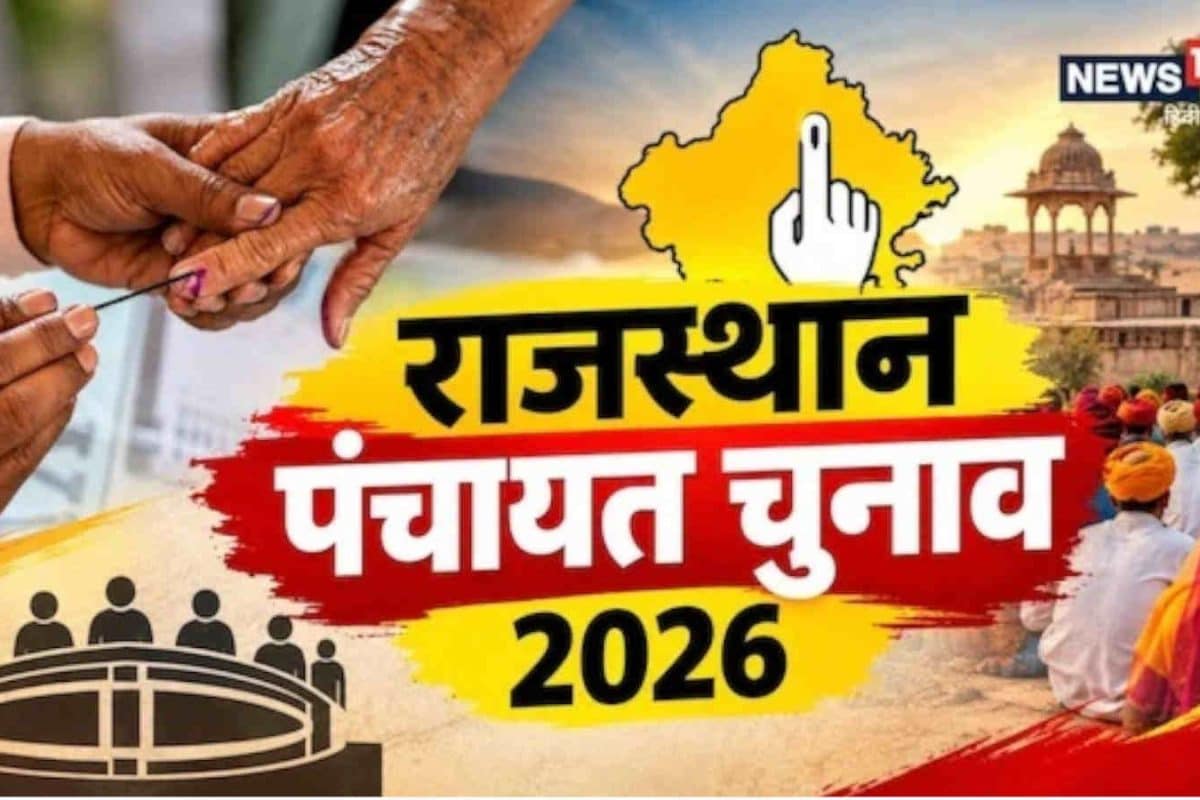
On Tuesday, a comprehensive and crucial phase of the democratic exercise unfolded across Rajasthan as voters across twenty-seven districts cast their ballots to determine local leadership. This extensive electoral process encompassed one hundred sixteen panchayat samitis, mobilizing administrative resources and engaging local communities on a massive scale. The elections represent a fundamental pillar of grassroots governance, deciding the administrative trajectory of rural bodies for the upcoming term.
Historically, panchayat elections in the state command immense social and political significance, serving as the foundational bedrock of decentralized democracy. Over successive electoral cycles, voter participation in rural bodies has consistently reflected the deep-rooted political consciousness of local populace. Tuesday's polling fits into this historical continuum, where local communities utilize their franchise to articulate governance priorities and developmental demands directly at the grassroots level.
As polling data poured into central election headquarters by evening, a comprehensive statistical profile of voter turnout emerged across the participating regions. According to official figures compiled at 6:00 PM, the electoral landscape displayed sharp regional disparities in voter enthusiasm. The highest participation was meticulously documented in Banswara district, specifically within the Naharpura panchayat samiti, where an impressive 82.71 percent of the electorate exercised their franchise.
Conversely, the electoral metrics revealed a more subdued response in other parts of the state, most notably in Dausa district. Within the Dausa panchayat samiti, voter turnout slumped to the lowest recorded percentage of the day, standing at 49.90 percent. Political analysts and local observers noted that various socio-economic and regional factors contributed to this stark variance between the highest and lowest voting blocks during this crucial electoral phase.
Beyond the extremities of Banswara and Dausa, several other administrative zones reported remarkably high civic participation. Hanumangarh district, in particular, emerged as a robust center of high voter engagement, demonstrating exceptional enthusiasm among rural voters. Specific sub-regions within Hanumangarh recorded soaring percentages, reflecting intense public interest in the electoral outcomes of their respective local bodies.
A closer examination of the Hanumangarh statistics reveals impressive engagement across multiple localities. In Bhadra, the voter turnout touched a remarkable 80.25 percent, while Nohar closely followed with 79.18 percent of the electorate casting their votes. Similarly, the polling percentages in Pallu and Rajpur stood strongly at 79.03 percent and 78.86 percent respectively, underscoring a pervasive wave of civic duty throughout the district.
The administrative machinery across all twenty-seven participating districts maintained rigorous oversight to ensure a free, fair, and orderly polling process. Election officials deployed adequate security personnel and logistical support to manage the high-turnout zones effectively while addressing logistical hurdles in lower-turnout areas. These proactive measures were critical in maintaining public confidence and preserving the sanctity of the democratic exercise in every participating polling booth.
Looking forward, the conclusion of polling in these one hundred sixteen panchayat samitis paves the way for the subsequent stages of the electoral timeline, including the secure storage of electronic voting machines and the eventual tabulation of votes. Stakeholders across the political spectrum now await the final results, which will decisively shape the leadership and developmental governance of rural administrative units across Rajasthan in the foreseeable future.
