
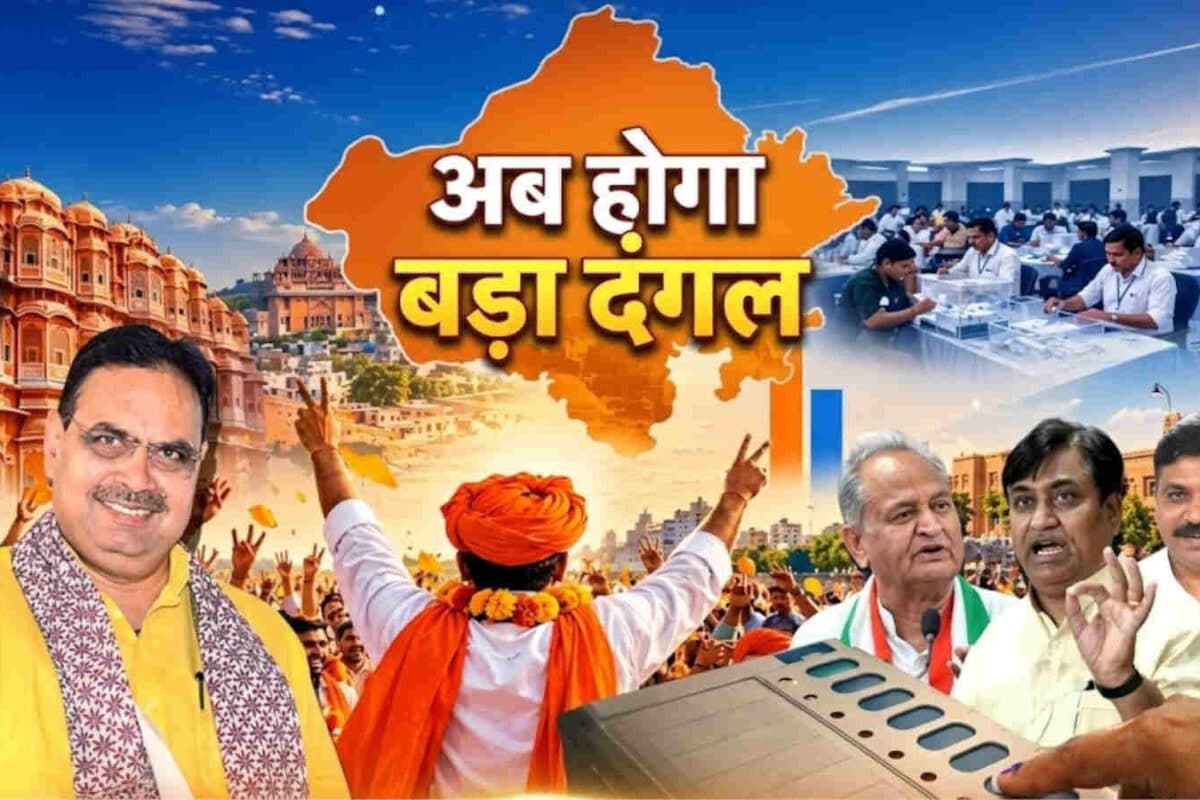
The political landscape of Rajasthan has entered a fascinating phase following the conclusion of the local body election counting process for the year 2026. With the complete picture finally emerging from the ballot boxes, the electoral outcome has highlighted a significant fracture in traditional party dominance. Independent candidates have risen above conventional political lines to establish themselves as powerful entities capable of shifting the balance of power in numerous municipal bodies across the state.
Historically, municipal elections in Rajasthan have frequently served as a barometer for grassroots political sentiment, often reflecting broader statewide governance trends. Over successive electoral cycles, local governance structures have grown increasingly competitive, with local issues frequently superseding overarching party manifestos. This structural evolution has consistently provided fertile ground for independent candidates who maintain deep community roots and direct personal engagement with local constituencies, setting the stage for the current legislative stalemate.
A granular examination of the electoral data indicates that across districts such as Ajmer, Pali, and Jodhpur, alongside dozens of other urban local bodies, neither of the premier political formations has secured an outright, unassailable majority on their own. This numerical parity has transformed independent councilors into crucial power brokers. The arithmetic of board formation now dictates that securing the requisite numbers to claim executive control over these local bodies requires aggressive negotiation, coalition-building, and high-stakes political lobbying.
Political analysts and local observers note that the current environment has fostered an atmosphere of intense political competition reminiscent of past high-pressure coalition struggles. Party strategists, organizational secretaries, and local emissaries from both major political organizations have descended upon contested municipal regions to court winning independents. While party leaders project confidence regarding their respective coalition-building prospects, independent representatives are currently leveraging their newfound political capital to demand substantial developmental commitments for their respective wards.
The ramifications of this fierce competition extend well beyond immediate urban governance, carrying significant implications for regional development and local administration. In areas like Kotputli-Behror and surrounding districts, the outcomes of municipal power struggles directly influence local infrastructure development, sanitation management, public works allocation, and civic service delivery. Communities and local trade associations are closely monitoring the political maneuvers, emphasizing the urgent need for stable administrative leadership to ensure uninterrupted municipal functioning.
In response to the escalating political tensions surrounding board formation, district administrations and law enforcement agencies have reinforced vigilance across all sensitive municipal headquarters. Returning officers and administrative authorities have established comprehensive protocols to oversee the upcoming statutory meetings and mayoral or chairperson elections transparently. Officials have assured the public that all constitutional norms and municipal guidelines will be strictly enforced during the council formation procedures to maintain public order and democratic integrity.
Looking ahead, the coming days will prove decisive as the formal process for electing municipal chiefs and forming governing boards officially commences. The timeline demands rapid coalition finalization, formal oath-taking ceremonies, and the eventual selection of civic leadership. As the political maneuvering reaches its crescendo, the citizens of Rajasthan await stable, accountable local governance that can effectively translate electoral fragmentation into constructive urban development and efficient civic administration.