
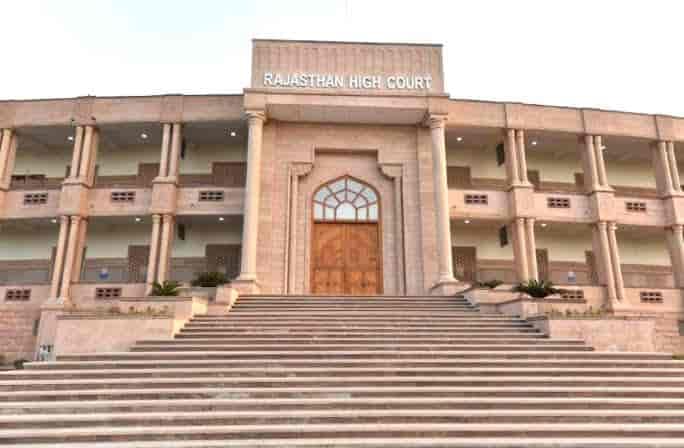
In a significant judicial development highlighting environmental protection, the Rajasthan High Court has intervened decisively to protect natural water bodies, drainage channels, and catchment areas situated within the Prithviraj Nagar scheme in Ajmer. The honorable court made it unequivocally clear that tampering with foundational ecological assets and essential hydrological structures will not be tolerated under any circumstances, thereby sending a strong message to all concerned authorities and developers.
The genesis of this judicial scrutiny lies in growing concerns regarding systemic environmental degradation and the systematic encroachment upon natural water recharge zones in urban expansion projects. Over the past several years, rapid and unregulated urban growth across various municipal jurisdictions has severely compromised traditional drainage networks, leaving urban settlements vulnerable to severe waterlogging, ecological imbalance, and the permanent loss of vital hydrological assets.
Delving into the specific ground realities of the Ajmer region, experts and environmental activists have repeatedly flagged how unauthorized constructions and haphazard planning obstruct natural water flows. The stakes involved in preserving these catchment areas are immense, as the region depends heavily on these hydrological networks to maintain groundwater tables and prevent artificial flooding during heavy precipitation events, ensuring long-term ecological security for the local population.
During the recent hearings, various stakeholders, including concerned citizens, environmental advocates, and municipal representatives, presented their perspectives before the bench of the Rajasthan High Court. While citizens and environmentalists welcomed the judicial intervention as a long-overdue safeguard for fragile ecosystems, administrative bodies were grilled regarding past lapses in regulatory oversight and enforcement failures that allowed encroachments to proliferate.
The broader regional implications of this judicial directive extend far beyond the immediate boundaries of Ajmer, resonating deeply across districts throughout Rajasthan, including areas such as Kotputli-Behror. Communities relying heavily on sustainable groundwater management and uninterrupted drainage pathways view this strict judicial stance as a vital precedent for protecting local water resources against similar commercial and administrative encroachments.
In response to the stern directives issued by the Rajasthan High Court, municipal and district administrative machinery has been forced to review ongoing developmental projects and compliance protocols. Authorities are now under immense pressure to formulate comprehensive action plans, identify illegal encroachments along catchment areas, and initiate time-bound corrective measures to restore natural water channels to their pristine states.
Looking ahead, the enforcement of these judicial mandates is expected to set a rigorous benchmark for urban planning and environmental governance throughout the state. As the administration prepares compliance reports and establishes monitoring mechanisms, public expectations remain high that systemic reforms will permanently secure natural water bodies against future developmental degradation.
