
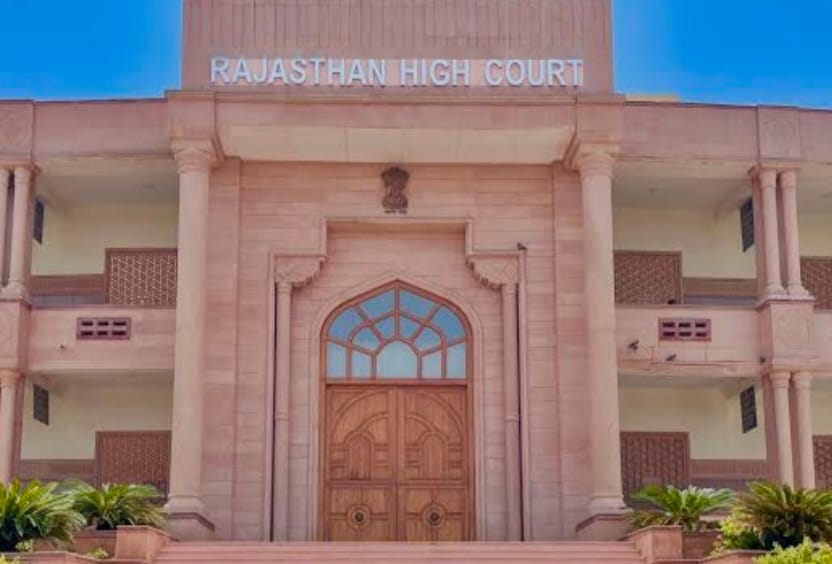
In a significant legal and administrative development concerning urban environmental infrastructure, the Government of Rajasthan has formally submitted a comprehensive conservation and maintenance action plan before the high court. This newly devised systemic framework is designed to overhaul the current state of public recreational spaces, which have long suffered from infrastructural neglect, administrative oversight, and environmental degradation across multiple urban centers.
The genesis of this judicial submission traces back to persistent concerns raised regarding the deteriorating condition of public parks, gardens, and green belts within urban jurisdictions. Historically, despite numerous allocations for civic beautification, systemic apathy and the absence of a centralized monitoring mechanism led to widespread deterioration of public amenities, prompting judicial intervention to safeguard urban ecology.
At the core of this newly formulated administrative blueprint is an extensive state-level survey that has meticulously mapped and documented precisely 3,319 parks under the administration of various urban local bodies. This empirical dataset serves as the foundational pillar for the subsequent execution phases, providing accurate categorizations based on spatial dimensions, geographical distribution, and immediate budgetary requirements for revitalization.
Urban planners, environmental advocates, and civic representatives have continually emphasized that public parks serve as the ecological lungs of densely populated settlements. The formulation of this specific maintenance strategy is perceived as a necessary institutional response to address long-standing demands for structured accountability, transparent fund utilization, and sustainable horticultural practices.
Zooming into the regional and micro-level implications, communities residing in emerging administrative jurisdictions such as Kotputli-Behror stand to benefit substantially from systematic urban planning. The standardized implementation of park management protocols is expected to trickle down to secondary urban clusters, directly enhancing the localized quality of life, improving air quality metrics, and providing children and senior citizens with safe recreational environments.
From an administrative standpoint, the state government has assured the high court of a phased implementation timeline, backed by dedicated monitoring committees tasked with overseeing budgetary allocations and ground-level execution. Municipal authorities will be held directly accountable for maintaining botanical assets, repairing boundary walls, ensuring uninterrupted water supply for horticulture, and installing adequate lighting infrastructure.
Looking ahead, the judicial proceedings will continue to monitor the practical enforcement of this policy document. As the state administration begins rolling out specific maintenance contracts and operational guidelines based on the 3,319-park database, citizens and civil society organizations remain watchful, anticipating visible improvements in the governance and aesthetic standards of urban public spaces.
