
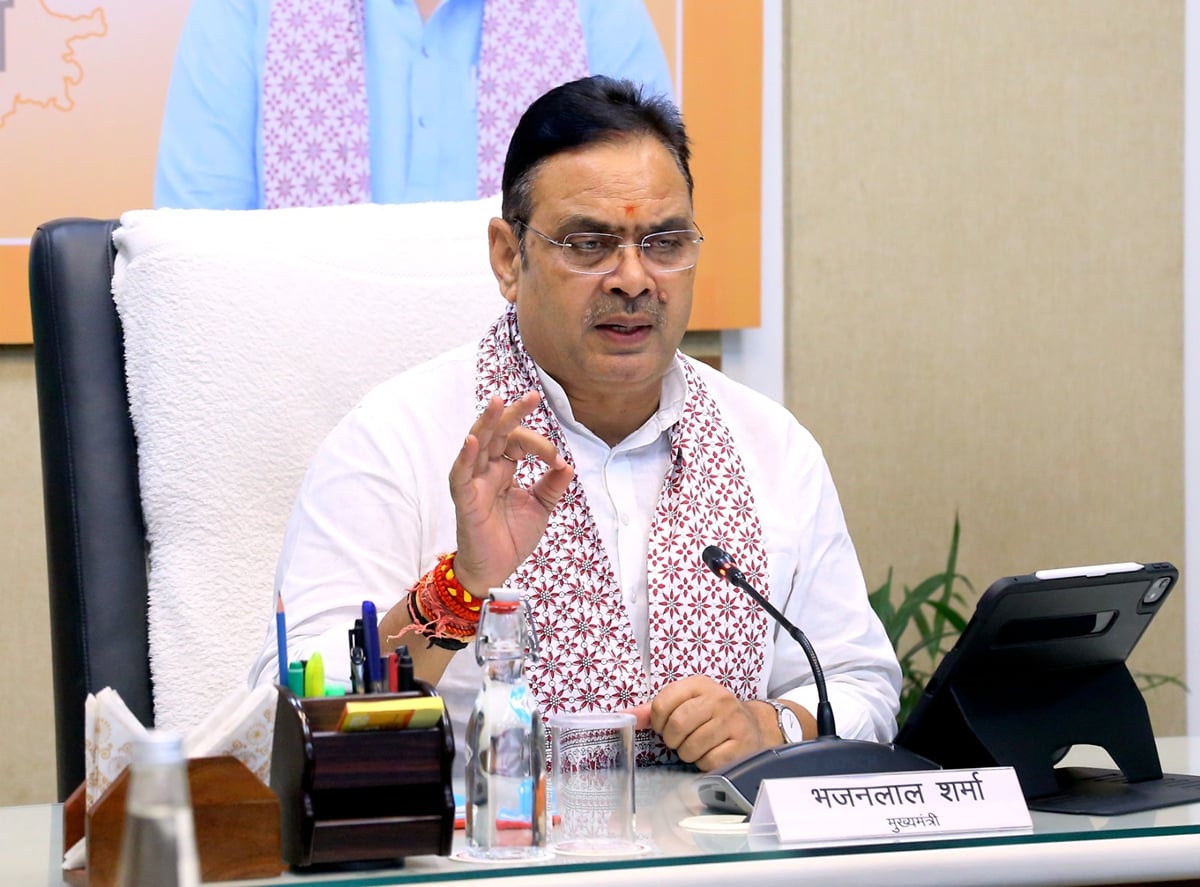
In a significant administrative development aimed at addressing the financial welfare of grassroots healthcare workers, the government of Rajasthan has officially announced a ten percent increase in the monthly honorarium for Asha Sahyoginis. This crucial policy decision marks an important step toward recognizing the tireless contributions of community health volunteers who serve as the backbone of rural healthcare delivery across the entire state of Rajasthan.
Historically, grassroots healthcare facilitators have navigated persistent economic vulnerabilities while executing demanding public health campaigns, maternal tracking duties, and immunization drives within their respective jurisdictions. The evolution of grassroots health initiatives has consistently underscored the necessity for structural financial enhancements to adequately compensate these frontline workers for their relentless daily efforts in local communities.
Under the newly revised financial framework, the monthly remuneration for Asha Sahyoginis will be elevated from the previous standard of 4,959 rupees to a revised total of 5,455 rupees. This precise adjustment translates to an incremental monthly financial benefit of exactly 496 rupees, providing a tangible addition to the monthly earnings of every eligible community healthcare worker throughout the state.
Representatives of healthcare worker associations, community stakeholders, and local observers have closely monitored these financial deliberations, emphasizing the practical implications of such revisions on household sustenance and occupational morale. The ongoing dialogue between workers and administrative bodies continues to highlight the indispensable role that these frontline providers play in executing vital governmental health mandates.
Within the newly established administrative boundaries of the Kotputli-Behror district and surrounding regional sectors, this state-level revision holds profound local resonance for numerous families dependent on grassroots employment. The incremental financial boost contributes directly to the micro-economy of local neighborhoods, ensuring that community healthcare workers feel adequately valued within the broader regional economic framework.
Administrative authorities across various district tiers have initiated preparatory measures to ensure seamless execution and transparent disbursement of the enhanced remuneration once the official implementation window opens. Supervisory committees are tasked with reviewing institutional records to guarantee that every qualifying worker receives their rightful monetary increment without procedural delays.
Looking ahead, the formal implementation of this revised remuneration structure is officially scheduled to take effect starting from the first of October 2026. Public health administrators and beneficiary associations anticipate that this scheduled enhancement will serve as a foundational step toward sustained economic security and professional recognition for grassroots health workers in the days to come.
