
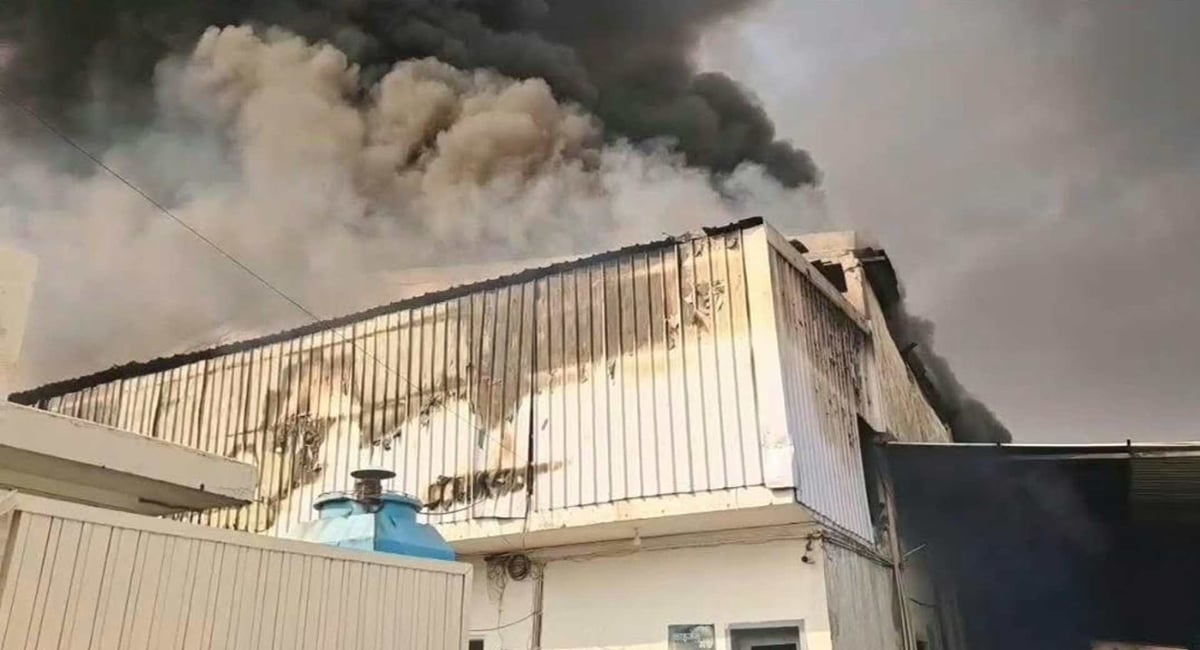
A devastating industrial fire broke out on Sunday morning at approximately 10:30 AM within a prominent multi-specialty plastic manufacturing company situated in the Khushkhera Industrial Area of Bhiwadi, falling under the Khairthal-Tijara district of Rajasthan. The sudden outbreak of flames within the commercial manufacturing facility triggered immediate panic among the factory workers and nearby industrial units. Thick plumes of black smoke could be seen billowing high into the atmosphere from several miles away, drawing the urgent attention of local residents and district administrative machinery.
The industrial landscape of Bhiwadi and the surrounding Khushkhera region has historically witnessed rapid commercial expansion, hosting numerous manufacturing plants, chemical units, and plastic processing industries. Sunday morning's incident highlights the persistent vulnerabilities associated with industrial operations that handle highly combustible raw materials. The origin of the fire, though initially reported during the morning hours, rapidly escalated due to the presence of large quantities of plastic polymers, finished plastic goods, and industrial packaging materials stored inside the premises.
According to preliminary assessments from the ground, the financial stakes and logistical damage resulting from this catastrophic fire are exceptionally high. Initial reports indicate that within a remarkably short span of approximately thirty minutes, the entire industrial plant was completely gutted and reduced to ashes. The speed at which the inferno spread overwhelmed immediate internal containment measures, leaving valuable machinery, raw inventory, and finished products entirely destroyed, culminating in losses running into hundreds of thousands of rupees.
Stakeholders, local factory owners, and industrial association representatives have expressed profound shock over the rapid devastation of the multi-specialty manufacturing unit. Questions are increasingly being raised regarding the adequacy of fire safety audits, internal hydrant systems, and rapid response mechanisms within the Khushkhera Industrial Area. While direct quotes from management and official personnel continue to be recorded as part of the preliminary inquiry, the psychological and economic toll on the workforce and investors remains a matter of grave immediate concern.
The broader regional impact of this disaster extends significantly across the neighboring districts, including Kotputli-Behror, where regional supply chains, local employment, and manufacturing confidence are closely linked with the Bhiwadi-Khushkhera industrial belt. Any major disruption in this vital manufacturing ecosystem affects ancillary suppliers, transport operators, and daily wage earners who depend on these factories for their livelihood. The incident serves as a stark reminder of the urgent need for stringent industrial safety enforcement across the entire region.
In response to the emergency, local administrative and disaster management authorities mobilized resources to bring the situation under control and secure the surrounding industrial zones. Firefighting units and emergency personnel were dispatched to the site to douse the remaining embers and prevent the fire from spreading to adjacent industrial plots. Statutory oversight bodies and district officials have initiated formal reviews to determine the exact cause of the electrical or chemical spark that may have triggered the disaster.
Looking forward, the aftermath of the Bhiwadi plastic factory fire is expected to prompt rigorous safety inspections across all manufacturing units in the Khairthal-Tijara district. Public expectations center around strict accountability, transparent investigation reports, and enhanced compliance with industrial safety codes to prevent similar catastrophes. The timeline for clearing the debris, assessing the final insurance claims, and deliberating on the future reconstruction of the plant will depend heavily on the findings of the ongoing administrative inquiry.
