As the Rabi agricultural season commences across Rajasthan, the availability of essential soil nutrients has erupted into a major controversy. Farmers throughout the state are currently facing acute shortages of DAP and urea fertilizers, leading to widespread distress in rural communities. The crisis has disrupted agricultural operations precisely when sowing activities require uninterrupted supplies, placing immense pressure on the farming community.
The roots of this crisis trace back to historical supply chain bottlenecks and seasonal demand spikes that traditionally accompany the transition into the Rabi crop cycle. Over the years, the state has grappled with erratic distribution networks and coordination gaps between cooperative societies and private distributors. This recurring vulnerability has consistently exposed farmers to artificial scarcity and escalated stress during critical sowing windows.
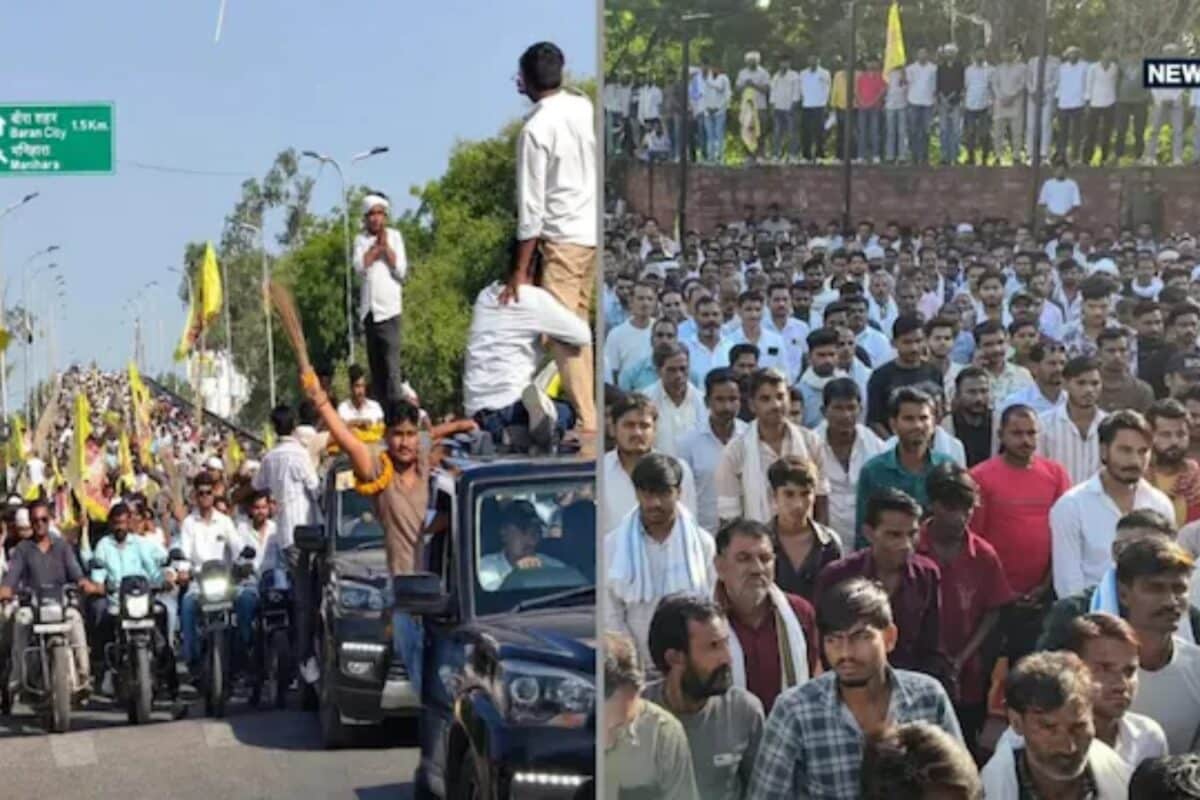
Ground reports indicate severe logistical challenges and operational friction in multiple regions. In Dholpur, farmers are compelled to spend agonizing hours standing in endless queues outside distribution centers, desperate to secure their rightful share of agricultural inputs. Meanwhile, the situation escalated in Baran, where frustrated farmers took to the streets and staged a road blockade to register their protest against the systemic unavailability of fertilizers.
Amidst mounting public anger, political tensions have reached a boiling point with sharp exchanges between ruling party officials and agrarian leaders. BJP State President Madan Rathore forcefully defended the government's preparedness, asserting that an adequate stock of fertilizers is readily available across the state. Furthermore, Rathore accused the political opposition of orchestrating deliberate black marketing and hoarding to manufacture artificial shortages.
Expanding the scope of the political agitation, farmer leader Naresh Meena has embarked on a high-profile march toward Jaipur to demand immediate relief and guaranteed fertilizer supplies for beleaguered cultivators. Concurrently, discussions involving Naresh Meena and Tonk Collector Tina Dabi have drawn significant public and media attention, highlighting the intense administrative pressure at the district level to manage escalating protests.
In response to the mounting unrest, the state administration has initiated strict enforcement measures, enhancing surveillance to curb illegal hoarding and unauthorized profiteering. District authorities have been directed to monitor retail and wholesale distribution channels rigorously. Officials maintain that concerted enforcement operations will deter unscrupulous elements from exploiting the seasonal demand surge for private financial gain.
Looking ahead, the immediate priority for the administration remains the swift and equitable decentralization of fertilizer stocks to grassroots distribution points. Public expectations center on transparent allocation mechanisms and unhindered supplies to alleviate the hardships faced by cultivators. The coming weeks will prove critical in determining whether administrative vigilance can successfully stabilize the agricultural market and restore normalcy for the farming populace.