
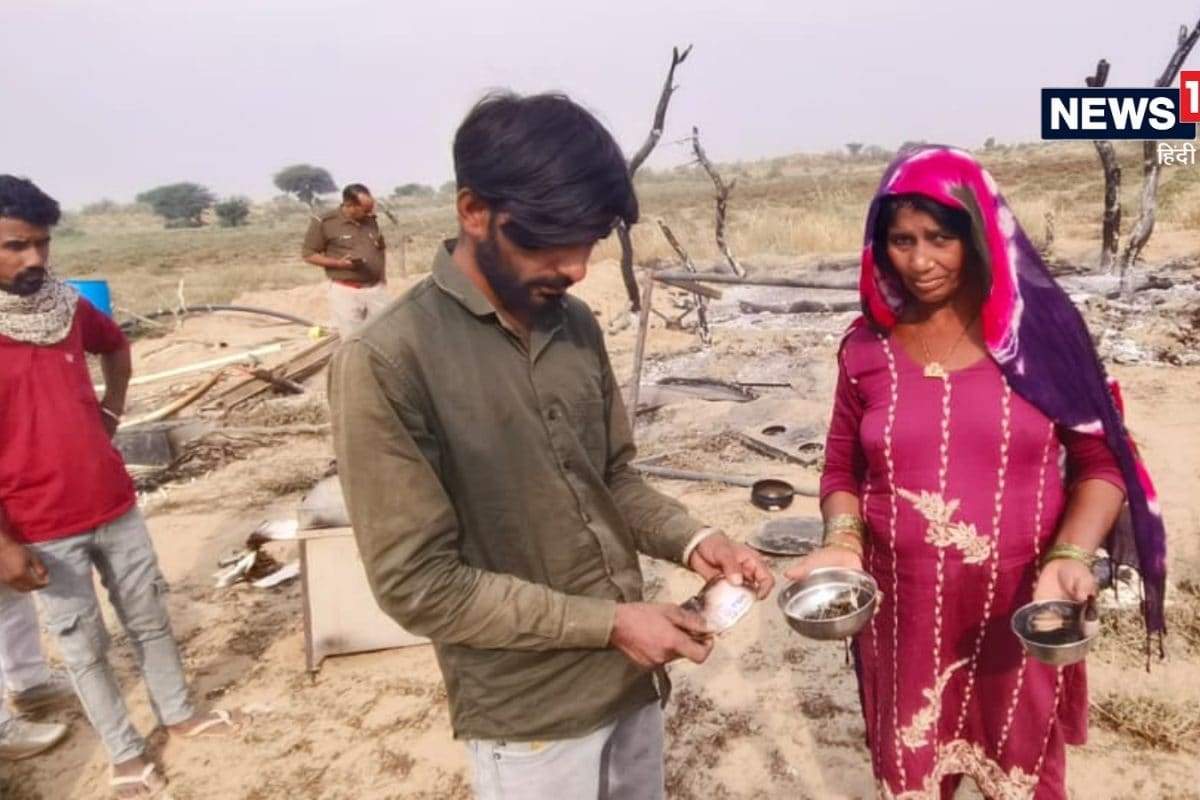
In a devastating turn of events on November 22, 2026, a catastrophic gas cylinder explosion triggered a massive and ferocious fire at the residential property of a vulnerable family in the region. The sudden blast shattered the peace of the neighborhood and immediately engulfed the entire dwelling in towering flames. Neighbors and local residents scrambled to contain the inferno, but the intensity of the blaze prevented any immediate rescue of the household's belongings, leaving the structure severely damaged and structurally compromised.
The affected household, already dealing with difficult life circumstances as a widowed-led family, had spent years painstakingly accumulating their modest savings and essential life assets. According to comprehensive historical background gathered by the Kotputli Bureau, families in these outlying residential clusters often rely on traditional liquefied petroleum gas cylinders for daily domestic cooking, while keeping their entire life savings and ancestral jewelry securely stored inside their living quarters due to limited access to formal banking infrastructure.
A detailed inspection of the ground reality following the containment of the fire revealed extensive destruction across all parameters of the household. All stored physical currency, precious gold and silver jewelry items, essential daily household goods, and critical agricultural equipment were completely reduced to ashes. Financial estimates compiled from the ground details reported indicate that the family has suffered losses amounting to lakhs of rupees, wiping out generations of savings and essential livelihood tools in a matter of minutes.
Local stakeholders, including prominent village representatives and community figures, immediately mobilized to visit the disaster site and offer urgent moral support. Panchayat representatives such as Sarpanch representative Balram and social worker Maqbool Baloch personally inspected the charred ruins to assess the exact scale of the devastation. Local representatives highlighted ongoing ground realities, noting that the sheer magnitude of the disaster requires immediate compassionate intervention from both community networks and administrative authorities to help the destitute family rebuild their lives.
The broader regional impact of this unfortunate disaster has resonated deeply throughout the Kotputli-Behror district and neighboring communities. Local economic observers and community leaders pointed out that such localized tragedies expose the extreme financial vulnerability of rural households when sudden accidents occur. The destruction of agricultural equipment in particular threatens the secondary income generation capabilities of the household, compounding the financial emergency during an already challenging agricultural season.
In response to the escalating crisis, local administrative channels and civic groups have begun coordinating potential relief measures. While formal governmental oversight protocols are being initiated to officially document the disaster and assess eligible statutory compensation schemes, community volunteers have started organizing local relief drives. Authorities are under mounting pressure to expedite the verification process so that emergency financial aid can be disbursed to the affected family without bureaucratic delays.
Looking forward, the timeline for recovery remains daunting for the aggrieved family, requiring sustained community backing and institutional support. Upcoming administrative procedures will focus on damage assessment reports, temporary shelter arrangements, and the rehabilitation of the destroyed dwelling structure. Public expectations are high that local governance bodies will step forward with comprehensive relief packages, ensuring that vulnerable citizens receive adequate protection and timely assistance in the wake of such unforeseen domestic tragedies.
