
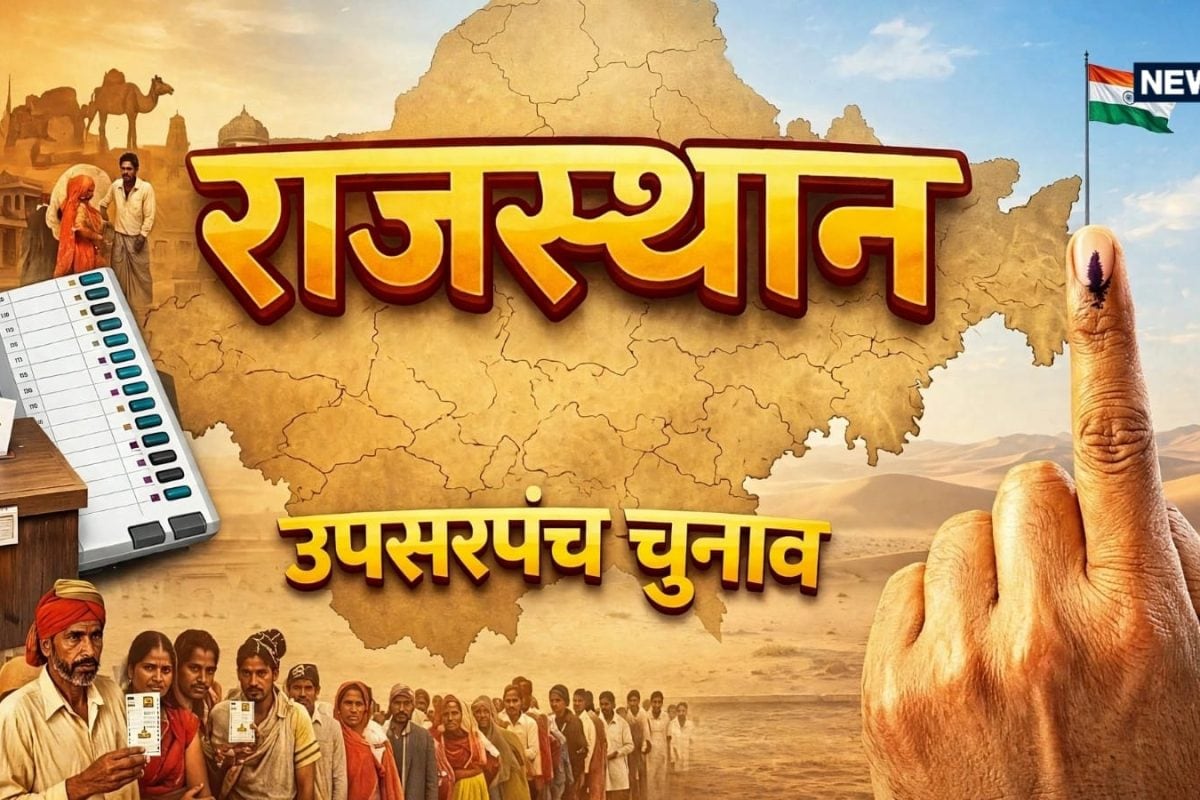
Political excitement and administrative activity have reached a peak across rural Rajasthan as the process for electing deputy sarpanchs gets underway today. Across 22 districts of the state, a total of 3,626 gram panchayats are participating in this crucial electoral exercise. This marks a significant milestone in the ongoing formation of grassroots local governments, establishing leadership at the village level to spearhead local development and administrative functions.
The current phase represents the second tier of the comprehensive panchayati raj elections currently unfolding across the state. Unlike direct general elections where the voting populace casts ballots for their representatives, the election of the deputy sarpanch follows an indirect voting mechanism. Specifically, the democratically elected ward panchs of each respective gram panchayat gather to cast their votes and choose their deputy leader from among themselves.
On the ground, the logistical scale of this election is immense, encompassing thousands of rural bodies. Focusing specifically on the Jaipur district, the electoral machinery is actively managing voting processes across 112 gram panchayats situated within five distinct panchayat samitis. These administrative jurisdictions include crucial rural pockets such as Amer, Jalsu in the Jamwaramgarh region, Rampura Dabri, Shahpura, and Amarsar, where ward panchs are casting their secret ballots.
Local political observers, community leaders, and rural residents are closely monitoring these elections, as the choice of a deputy sarpanch heavily influences village-level governance, distribution of developmental funds, and social harmony. The outcome in each of these 3,626 village panchayats will shape the trajectory of rural infrastructure projects, drinking water supply initiatives, and local dispute resolution mechanisms over the coming years.
The administrative apparatus across the 22 participating districts has implemented stringent security and procedural protocols to ensure free, fair, and transparent voting. District election officers, returning officers, and local police forces have been deployed in adequate numbers at polling booths established within the respective panchayat headquarters to prevent any untoward incidents during the voting and counting phases.
Looking beyond the immediate deputy sarpanch elections, the broader electoral calendar for local governance remains intensely busy. Once the second phase of these rural elections concludes successfully, the focus of the entire state administration and political parties will pivot toward the impending counting of votes for district-level bodies.
The political momentum will culminate on November 20, the date officially designated for the counting of votes cast for zilla parishad and panchayat samiti members. Until then, rural communities across Rajasthan remain immersed in local political discourse, awaiting the final declaration of leaders who will steer the destiny of their villages and districts.
