
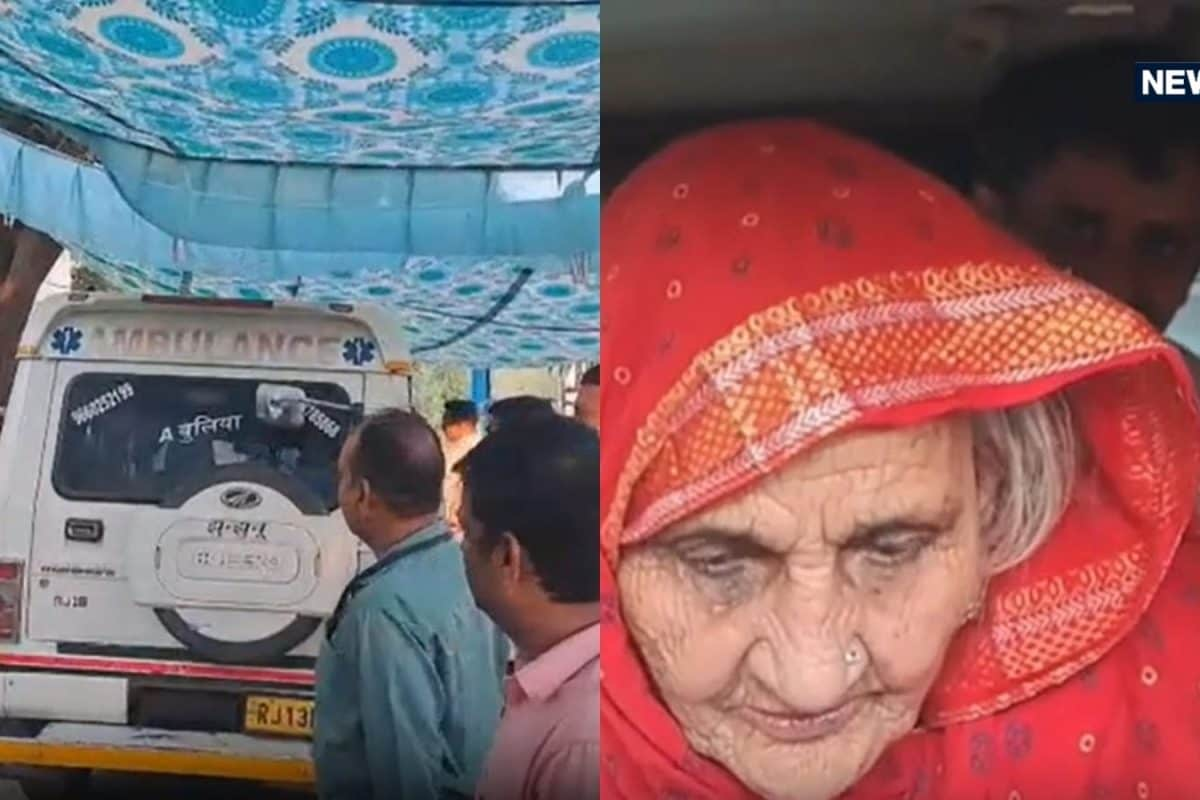
In an inspiring display of civic duty and dedication to the democratic process during the 2026 Panchayat elections, an extraordinary incident unfolded in the Jhunjhunu district of Rajasthan. Sixty-four-year-old Savitri Devi travelled a staggering distance of approximately 950 kilometres from Baroda in the state of Gujarat to her ancestral Badangarh Gram Panchayat. This remarkable journey highlights the profound value rural citizens place on exercising their constitutional right to vote, transcending physical limitations and long distances to participate in grassroots governance.
The backdrop of this remarkable event is rooted in the deep-seated cultural and democratic connection that migrants maintain with their native villages. Savitri Devi, despite residing away from her ancestral roots in Gujarat, ensured that her absence from the electoral roll was never an option. Panchayat elections serve as the bedrock of local development, determining leadership for villages and shaping community infrastructure. Recognizing the critical importance of these foundational elections, she decided that neither physical distance nor medical adversity would deter her from fulfilling her civic responsibility.
Logistically, the journey presented immense physical and financial challenges. Having metal rods implanted in both her legs, standard modes of transport such as buses or trains were entirely unsuitable and medically inadvisable for her condition. Undeterred by this severe physical handicap, her family arranged for an ambulance to ensure her safe transit across state borders. Accompanied by her son, Vinod Sharma, and other family members, she endured the lengthy and potentially taxing 950-kilometre transit from Baroda straight to the polling booth in Badangarh Gram Panchayat.
The arrival of Savitri Devi via an emergency medical vehicle generated significant attention and deep admiration among local residents, election observers, and fellow voters. While no direct formal statements were officially recorded, the collective sentiment among the villagers was one of profound respect and astonishment at her unwavering determination. Observers noted that her dedication serves as a powerful rebuke to urban voter apathy, proving that when citizens are truly invested in the democratic fabric, physical barriers become secondary to civic obligation.
Beyond this individual saga of resilience, the broader electoral landscape in Badangarh Gram Panchayat witnessed intense democratic participation and unique socio-political dynamics. Electoral observers and local reporters highlighted a striking visual of all six female candidates contesting the Sarpanch position appearing together, marking a notable moment in local political history. The high stakes of the local elections permeated every household, leading to an impressive voter turnout that reflected the community's engagement with local governance issues.
Administrative machinery in Jhunjhunu district ensured that the polling process remained orderly, transparent, and accessible despite the high volume of participating citizens. Booth-level officials maintained strict adherence to election commission guidelines, ensuring that voters with special medical needs, such as Savitri Devi, were afforded necessary facilitation upon reaching the polling premises. Security personnel and polling staff worked in tandem to manage the steady stream of voters throughout the day, ensuring peaceful voting conditions across all designated booths in the jurisdiction.
As the clock ticked toward the conclusion of polling at 6:00 PM, the final statistical aggregation revealed a robust voter turnout of approximately 75 percent in Badangarh Gram Panchayat. This high percentage underscores a deeply conscious electorate actively shaping the future of rural development. The journey of Savitri Devi will long be remembered as a defining narrative of the 2026 local elections, symbolizing the unbreakable bond between rural citizens and their foundational democratic rights.
