
In an extraordinary and deeply distressing turn of events during the ongoing rural local body elections, a dedicated Sarpanch candidate in the Jhalawar district found herself completely locked out of the democratic race due to a severe lapse in time management. The incident, which has sent shockwaves across the political and social circles of the region, highlights the extreme physical and mental pressures that candidates often undergo during high-stakes grassroots electoral battles. The intense fervor of village-level campaigning frequently obscures essential administrative formalities, leading to catastrophic consequences for aspirants who invest significant resources, time, and emotional energy into their political ambitions.
The unfolding drama centered around the Sumar Gram Panchayat, situated within the Khanpur subdivision of Jhalawar district. Local electoral contests at the village level are traditionally characterized by intense personal outreach, door-to-door campaigning, and deeply entrenched community dynamics. For aspiring leaders, securing the mandate of rural voters requires continuous engagement from dawn to dusk, often pushing candidates to neglect basic logistical duties. In this specific electoral battleground, the local administrative machinery had established strict deadlines for the filing of nomination forms, a mandatory legal prerequisite designed to maintain transparency, order, and adherence to the election commission's rigorous calendar.
As the campaign tempo reached a fever pitch, Manbhar Bai, a prominent candidate contesting for the coveted post of Sarpanch, immersed herself entirely in rallying voter support across the village. Driven by a relentless desire to connect with every single household and present her developmental agenda, she traversed through lanes and neighborhoods, losing all track of the rapidly advancing clock. The sheer physical exhaustion and relentless psychological demands of managing a competitive rural campaign clouded her awareness of the impending administrative cutoff time. While her competitors were quietly finalizing their legal paperwork, she remained consumed by the optics and momentum of public gatherings and meetings.
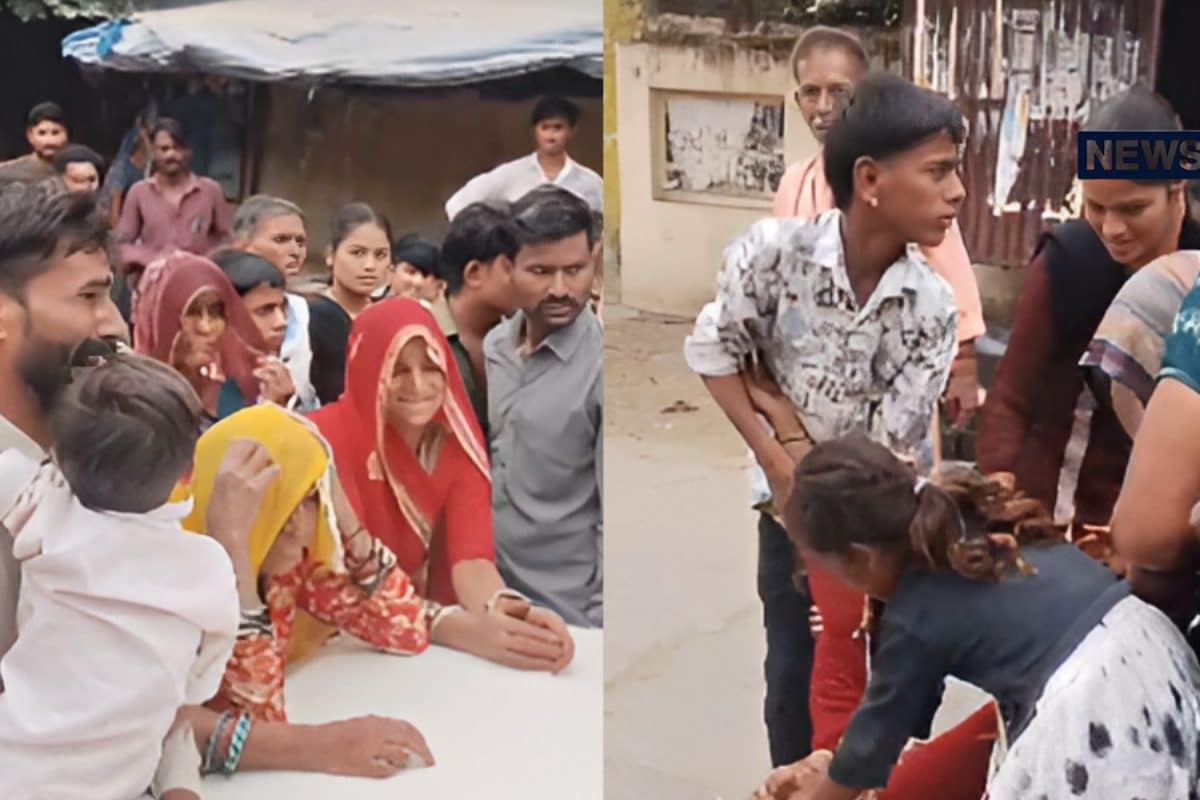
The critical realization of the grave administrative lapse struck Manbhar Bai only after the officially mandated deadline for nomination submissions had decisively passed. Overcome by panic and desperate urgency, she rushed toward the authorities and made a frantic attempt to intercept the official vehicle of the Zonal Magistrate on duty. In a display of profound distress, she pleaded earnestly with the election officials, begging for a waiver or an extension to allow her papers to be accepted. However, bound by strict statutory guidelines and electoral codes of conduct, the election officials expressed their inability to bypass the legal framework, confirming that the statutory window had irrevocably closed.
The immediate aftermath of the administrative rejection transformed into a poignant human tragedy on the public thoroughfare. Overwhelmed by the sudden destruction of her political aspirations and the realization of her oversight, Manbhar Bai collapsed into a state of profound shock and despair right on the street. The intense grief and psychological trauma quickly spilled over to her family members, notably resulting in her mother-in-law fainting from the overwhelming emotional shock of the public setback. Bystanders and local supporters rushed to the scene to provide emergency assistance, transforming what was supposed to be a vibrant festival of democracy into a scene of mourning and public sympathy.
Administrative authorities across the Khanpur subdivision and the wider Jhalawar district have reiterated the paramount importance of strict adherence to electoral calendars. Officials pointed out that the entire machinery operates under strict legal supervision, leaving virtually no discretionary authority with field magistrates or returning officers to entertain delayed submissions. While the human element of the tragedy evokes widespread empathy within the community, the strict letter of the law remains uncompromising. The incident serves as a stark administrative lesson for future contestants regarding the critical balance required between aggressive public campaigning and meticulous adherence to legal deadlines.
As the electoral process in Sumar Gram Panchayat moves forward under modified political equations, the local populace continues to discuss the unprecedented episode with disbelief and sympathy. The departure of a key contender due to a clerical oversight rather than an electoral defeat at the ballot box alters the competitive landscape of the village significantly. Political analysts and community elders have urged upcoming candidates in future phases to prioritize legal compliance and documentation above all else, ensuring that months of grassroots preparation are not undone by a simple failure to monitor the clock.
